

How Technology is Changing ABA Therapy for Autism
Description; Applied Behavior Analysis (ABA) therapy has long been recognized as one of the most effective approaches for supporting children with autism. It focuses on teaching important life, communication, and social skills through structured learning and positive reinforcement. Over the years, technology has begun to play a powerful role in improving how ABA therapy is delivered. For parents, understanding these technological changes can help them better support their child’s progress and stay actively involved in therapy.
The Growing Role of Technology in ABA Therapy
Technology is transforming many areas of healthcare and education, and ABA therapy is no exception. From mobile applications to virtual therapy sessions, new tools are helping therapists track progress more accurately, communicate with parents more effectively, and provide engaging learning experiences for children.
For parents, this means therapy can now be more accessible, flexible, and personalized than ever before.
Digital Data Collection and Progress Tracking
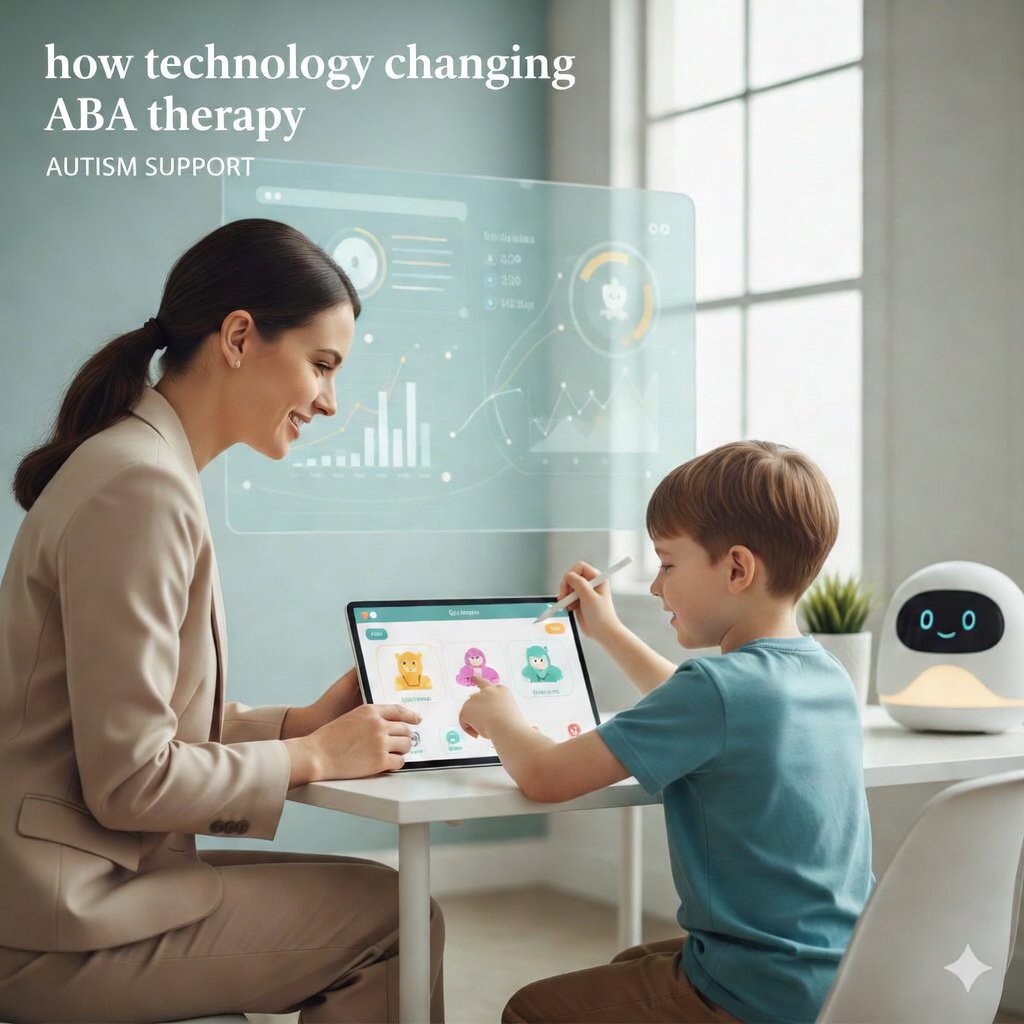
One of the most significant changes technology has brought to ABA therapy is digital data collection. In the past, therapists often recorded a child’s progress using paper notes. Today, many therapists use tablets or specialized software to track behaviors, learning milestones, and responses in real time.
These digital systems allow therapists to quickly analyze data and adjust treatment plans when needed. For parents, this often means receiving clearer updates about their child’s development and progress. Many platforms also allow parents to view reports and summaries, helping them better understand how their child is improving.
Telehealth and Remote ABA Therapy
Telehealth has become an important tool in delivering ABA therapy, especially for families who live far from therapy centers or have limited access to specialists. Through secure video platforms, therapists can guide sessions remotely while parents assist their child at home.
This approach allows children to learn in a familiar environment, which can sometimes make them feel more comfortable. It also helps parents observe therapy techniques directly, making it easier for them to apply the same strategies in daily routines.
Educational Apps and Interactive Learning
Many educational apps are now designed specifically for children with autism. These apps use games, visuals, and interactive activities to teach communication, emotional recognition, and problem-solving skills.
Because many children enjoy using tablets or smartphones, these digital tools can increase motivation and engagement during learning. Therapists often integrate these apps into ABA programs to reinforce skills taught during therapy sessions.
Parents can also use selected apps at home to support practice and strengthen their child’s learning outside of therapy hours.
Assistive Communication Technology
Some children with autism experience challenges with verbal communication. Assistive communication devices and apps are helping bridge this gap. Tools such as speech-generating devices allow children to express their needs, thoughts, and feelings by selecting words or images on a screen.
These technologies can significantly reduce frustration and help children participate more actively in conversations and daily activities.
Better Collaboration Between Therapists and Parents
Technology has also improved communication between therapists and families. Many ABA programs now use online platforms where therapists can share session notes, progress reports, and recommendations.
Parents can review these updates, ask questions, and learn strategies they can use at home. This stronger collaboration ensures that children receive consistent support both during therapy and in everyday life.
Things Parents Should Keep in Mind
While technology can enhance ABA therapy, it works best when used as a supportive tool rather than a replacement for human interaction. Direct guidance from trained therapists, along with active parental involvement, remains essential.
Parents should also discuss any apps, devices, or digital programs with their child’s therapist to ensure they are appropriate for their child’s specific needs and therapy goals.
Looking Toward the Future
As technology continues to advance, ABA therapy will likely become even more personalized and accessible. Artificial intelligence, advanced data tracking, and immersive learning tools may help therapists design more effective programs for each child.
For parents, staying informed about these innovations can make it easier to support their child’s development and take advantage of new opportunities for learning and growth.
Conclusion
Technology is reshaping the way ABA therapy is delivered, making it more interactive, data-driven, and accessible for families. Digital tools, telehealth services, and assistive communication devices are helping therapists provide better support while also empowering parents to take a more active role in their child’s progress.
By combining professional guidance with the right technological tools, families can create a supportive environment that helps children with autism build important skills and achieve greater independence.