


How to Choose the Right ABA Therapist for Your Child
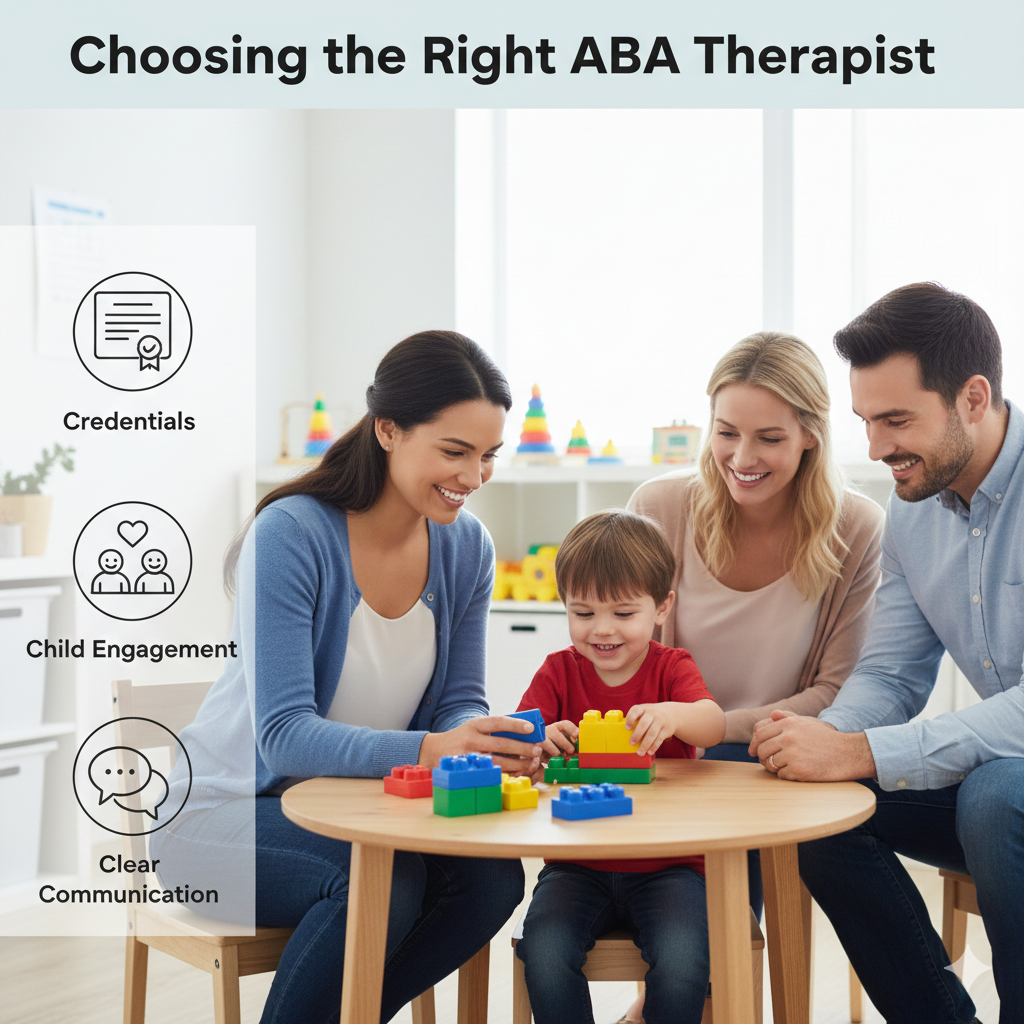
Description; Finding the right Applied Behavior Analysis (ABA) therapist for your child can feel overwhelming. As a parent, you want someone who is not only skilled but also caring, understanding, and able to connect with your child. The right therapist can make a big difference in your child’s progress and overall experience with ABA therapy. Here’s a guide to help you make an informed choice.
1. Understand What ABA Therapy Involves
Before searching for a therapist, it’s important to understand what ABA therapy is. ABA focuses on improving specific behaviors such as communication, social skills, and daily living skills through structured interventions. Knowing the goals and methods of ABA will help you identify a therapist whose approach aligns with your child’s needs.
2. Check Credentials and Experience
Look for therapists who are certified, such as a Board Certified Behavior Analyst (BCBA), and have experience working with children similar to yours in age, diagnosis, and needs. Experience matters because every child is different, and a therapist with diverse experience can adapt strategies to suit your child’s learning style.
3. Observe Their Interaction Style
A great ABA therapist should be patient, encouraging, and able to make learning fun. Arrange a trial session or observation, if possible, to see how they interact with your child. Do they motivate your child positively? Do they handle challenges calmly? Your child should feel comfortable and supported in their presence.
4. Evaluate Communication Skills
Therapy is most effective when parents and therapists work as a team. Look for a therapist who communicates clearly, provides regular updates, and involves you in your child’s progress. A therapist who listens to your concerns and answers your questions thoughtfully is a good indicator of a strong partnership.
5. Ask About Treatment Plans and Progress Monitoring
An effective ABA therapist will create a structured plan tailored to your child’s needs. They should regularly assess your child’s progress and adjust strategies as needed. Ask how often they track progress, what data they collect, and how they share it with you.
6. Consider Compatibility and Comfort
Every child responds differently to different personalities and teaching styles. Pay attention to how your child reacts to the therapist. Comfort and trust are key—if your child feels anxious or withdrawn, it might be a sign to consider other options.
7. Trust Your Instincts
Finally, trust your instincts as a parent. If something doesn’t feel right, it’s okay to continue looking. The right ABA therapist should make both you and your child feel confident, supported, and hopeful about progress.
Final Thoughts
Choosing the right ABA therapist is a crucial step in supporting your child’s development. By considering credentials, experience, communication, and personal compatibility, you can find a therapist who not only helps your child thrive but also makes therapy a positive and rewarding experience.
Remember, finding the perfect match might take time, but your effort will pay off in your child’s growth and happiness.