

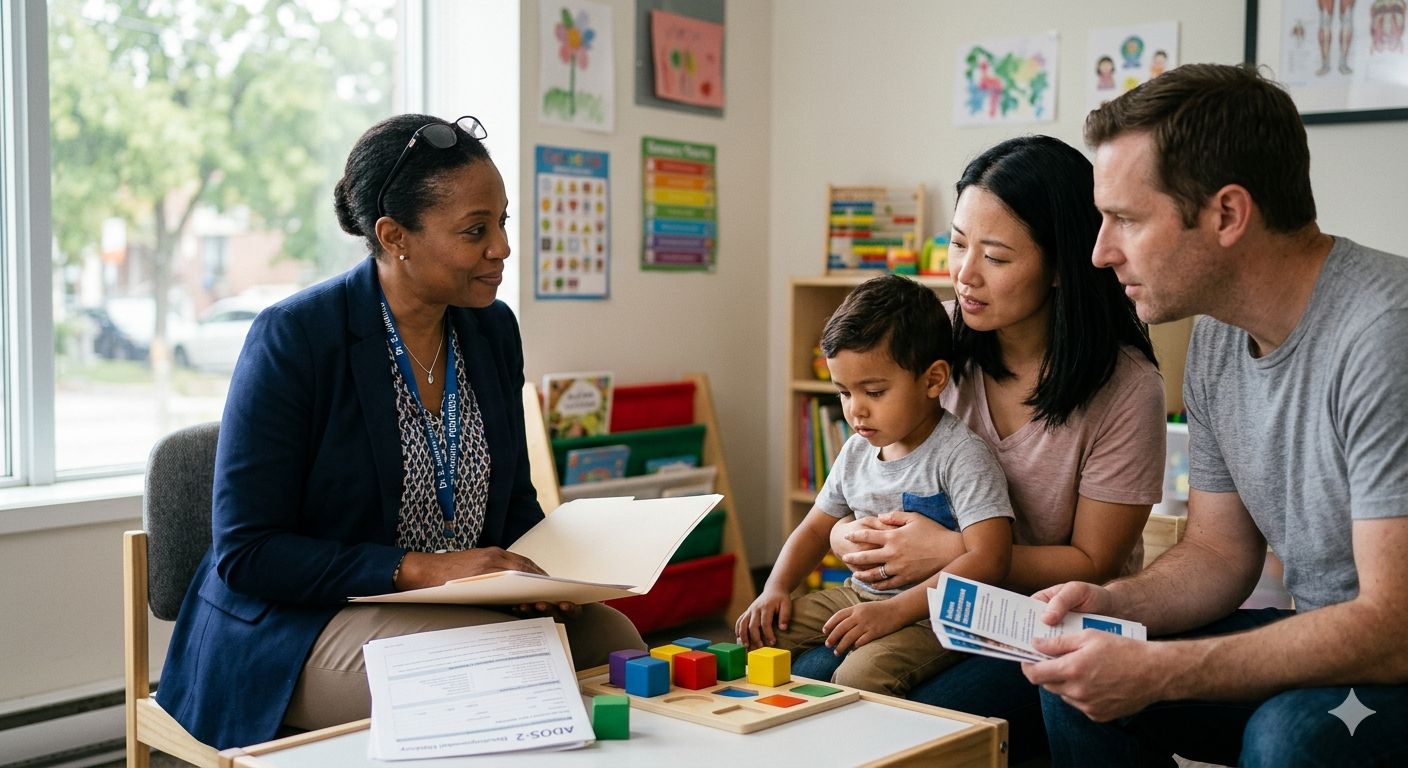
Incorporating ABA Strategies in Daily Routines

Description; Applied Behavior Analysis (ABA) is one of the most widely used and evidence-based approaches for helping children with developmental challenges, especially those with autism. While many families work with therapists or specialists, parents play the most important role in a child’s development because learning happens every day at home. By incorporating ABA strategies into daily routines, parents can create meaningful learning opportunities that support their child’s growth, communication, and independence.
Understanding ABA in Everyday Life
ABA focuses on understanding behavior and teaching new skills through positive reinforcement, consistency, and structured learning. Instead of limiting these strategies to therapy sessions, parents can apply them during normal daily activities such as mealtime, playtime, dressing, and bedtime. When ABA techniques become part of everyday routines, children get more chances to practice skills in natural situations.
The goal is not to turn the home into a therapy room, but to make everyday moments supportive learning experiences.
Creating Predictable Routines
Children benefit greatly from structure and predictability. A consistent daily routine helps them understand what will happen next and reduces anxiety or challenging behaviors.
Parents can create simple routines for activities like waking up, getting ready for school, eating meals, and going to bed. Visual schedules, picture charts, or step-by-step reminders can help children follow routines independently. Over time, predictable routines help children develop confidence and improve their ability to transition between activities.
Using Positive Reinforcement
Positive reinforcement is a core principle of ABA. It means rewarding behaviors you want to see more often. When a child completes a task, follows instructions, or uses appropriate communication, immediate praise or a small reward can motivate them to repeat that behavior.
Reinforcement does not always need to be material rewards. Simple praise such as “Great job putting your toys away,” a high-five, or extra playtime can be very effective. The key is to recognize positive behavior quickly so the child clearly connects the reward with their action.
Teaching Skills Through Daily Activities
Daily routines provide many opportunities to teach important life skills. For example:
Mealtime: Encourage requesting food using words or gestures.
Getting dressed: Teach children to follow steps like putting on socks, shirts, or shoes.
Cleaning up toys: Practice sorting, organizing, and following instructions.
Playtime: Teach sharing, turn-taking, and communication.
Breaking tasks into smaller steps can make learning easier. This method, often called task analysis, allows children to master one step at a time until they can complete the entire activity independently.
Encouraging Communication
Communication development is a major focus for many children receiving ABA support. Parents can encourage communication during everyday interactions. For example, instead of immediately giving a child what they want, parents can pause and wait for the child to request it using words, gestures, or pictures.
Asking simple questions, offering choices, and encouraging children to express their needs can strengthen communication skills naturally during daily routines.
Managing Challenging Behavior
Sometimes children display challenging behaviors because they feel frustrated, overwhelmed, or unable to communicate their needs. ABA strategies help parents understand the reasons behind behaviors and teach more appropriate alternatives.
For instance, if a child throws toys to get attention, parents can teach them to ask for attention in a positive way. When the child uses the appropriate behavior, they receive attention and praise, reinforcing the new skill.
Consistency is very important. When parents respond to behaviors in a calm and predictable way, children learn which behaviors lead to positive outcomes.
Being Patient and Consistent
Incorporating ABA strategies into daily routines does not require perfection. Small, consistent efforts over time make the biggest difference. Progress may happen gradually, and every child learns at their own pace.
Parents should celebrate small achievements and remember that each step forward helps build important skills for the future.
Final Thoughts
Parents are the most influential teachers in a child’s life. By using simple ABA strategies during everyday routines, families can create a supportive learning environment that promotes communication, independence, and positive behavior.
With patience, consistency, and encouragement, daily routines can become powerful opportunities for learning and growth. When parents actively participate in applying ABA principles at home, children gain the practice they need to succeed both inside and outside of therapy.