
Is Autism a Disease or Condition?

Autism is widely recognized as a neurodevelopmental condition rather than a disease. It stems from differences in brain wiring present from birth, affecting social interaction, communication, and behavior throughout life.
Core Definition
Autism Spectrum Disorder (ASD) describes a lifelong pattern of traits like challenges in social cues, repetitive behaviors, and sensory sensitivities. Unlike diseases, it lacks a pathogen, cure, or progression—it’s a variation in neurology, not an illness to eradicate.
Authorities like the NHS state explicitly: “Autism is not an illness… Your brain works in a different way.” The DSM-5 classifies it as a developmental disorder, grouping it with conditions evident early in childhood.
Disease vs. Condition: Key Differences
This table highlights why autism fits “condition”—it emphasizes neurodiversity over pathology.
Why the Confusion Persists
Historically, autism was mislabeled as childhood schizophrenia before DSM-III in 1980 separated it. Today, co-occurring issues like anxiety may mimic illness, but they are distinct. Prevalence data shows 1 in 36 U.S. children affected, underscoring its commonality as a spectrum.
Support Over Cure
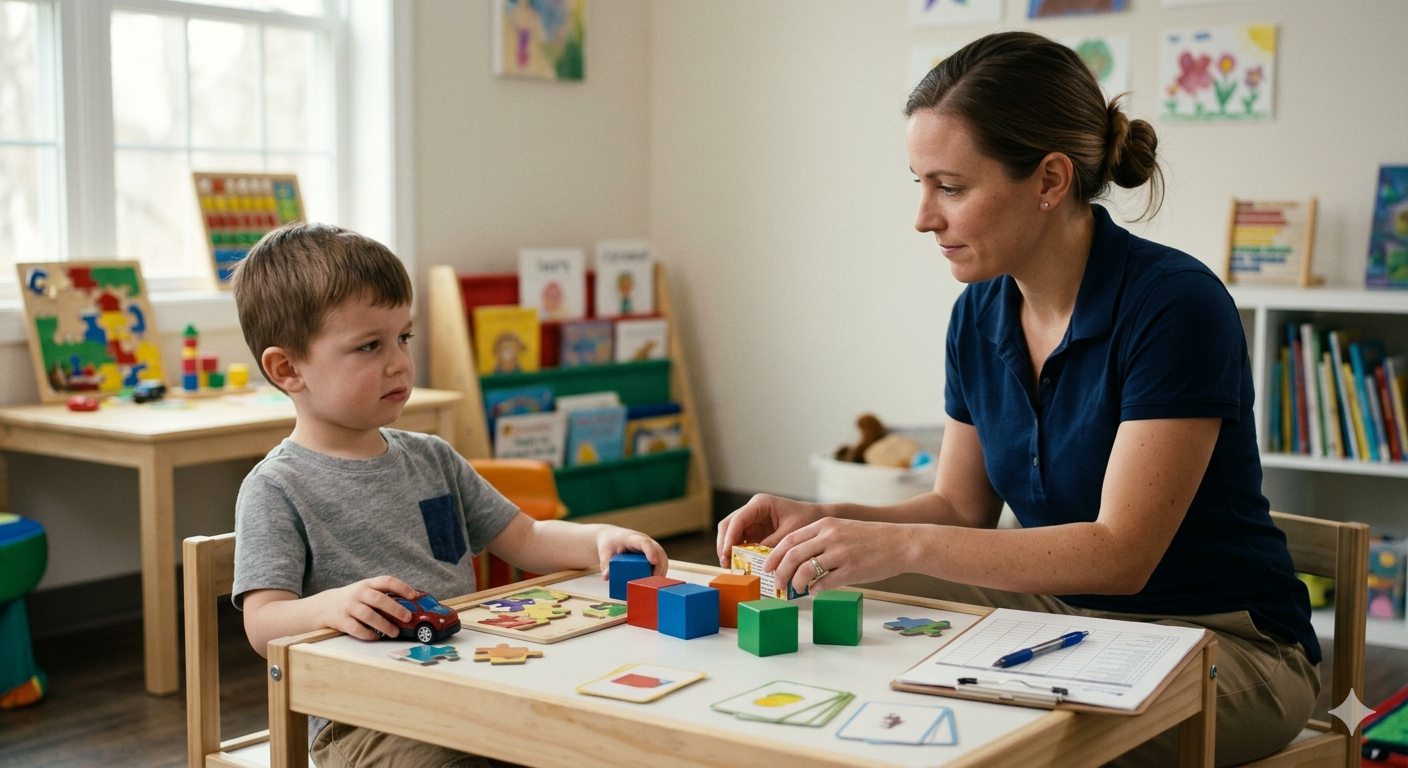
Early intervention via therapies (behavioral, speech) helps manage traits, not “fix” them. Autistic individuals often excel in focused interests, thriving with tailored accommodations.
Embracing autism as a condition fosters inclusion, reducing stigma for the millions worldwide.