

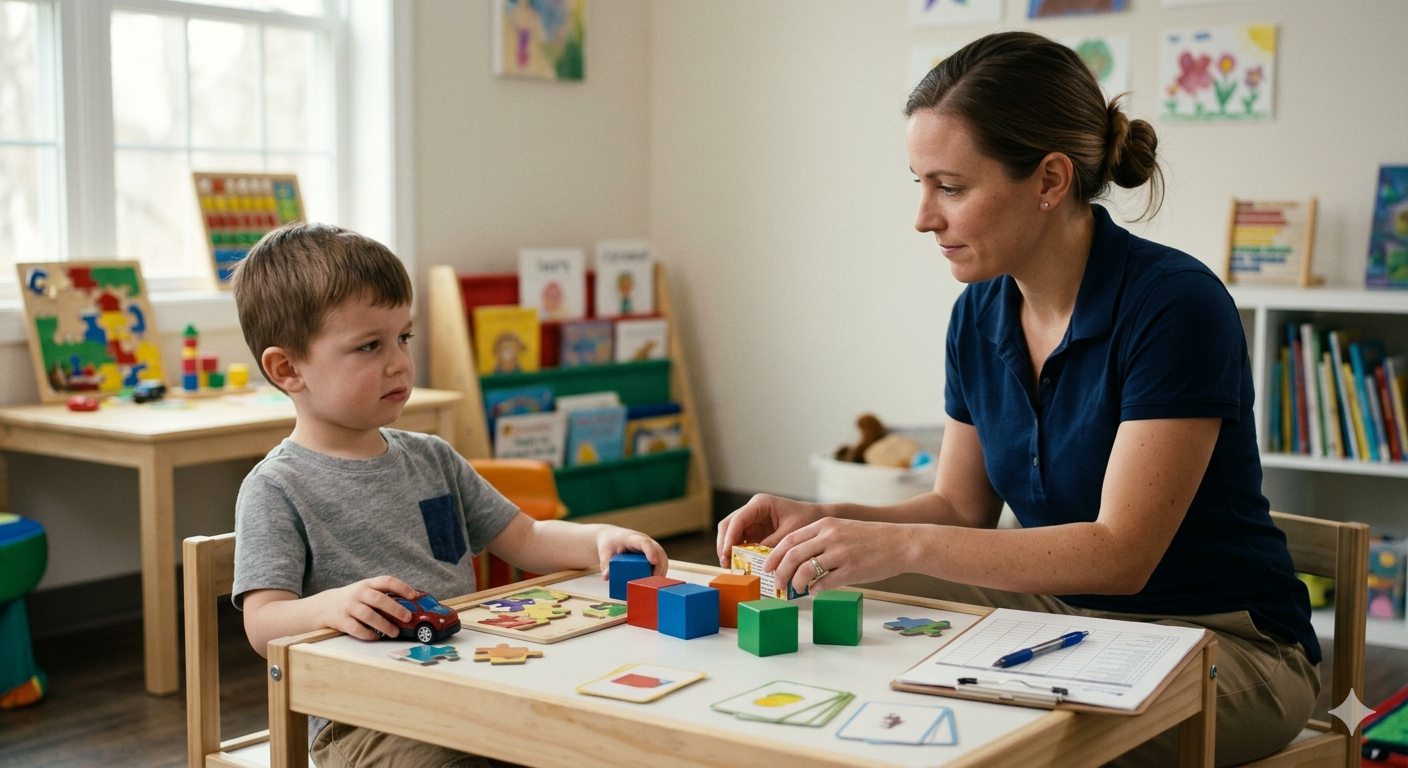
Measuring Progress in ABA Therapy: Tips for Parents

Description; Applied Behavior Analysis (ABA) therapy is widely recognized as an effective approach for helping children with autism develop essential skills. However, for many parents, understanding how to measure progress can feel confusing. This guide will help you recognize improvements, track achievements, and play an active role in your child’s ABA journey.
1. Understand the Goals of ABA Therapy
ABA therapy focuses on teaching specific skills and reducing behaviors that may interfere with learning or daily life. These skills might include:
Communication (e.g., using words or gestures to express needs)
Social interactions (e.g., playing with peers, making eye contact)
Daily living skills (e.g., dressing, brushing teeth)
Academic or cognitive skills
Knowing the goals helps you focus on meaningful progress rather than only looking at overall behavior.
2. Track Progress With Data
One of the core features of ABA therapy is data collection. Therapists record how often a skill is performed correctly, how long a behavior lasts, or how often challenging behaviors occur. As a parent, you can:
Keep a simple journal of your child’s achievements at home
Note changes in behavior, communication, or social interactions
Share observations with your child’s ABA therapist
Data helps both you and the therapist understand what strategies are working and where adjustments may be needed.
3. Look for Small Steps
Progress in ABA therapy often happens gradually. A small step forward, like a child attempting a new word or following a simple instruction, is significant. Celebrate these achievements! Tracking small steps can give you a clear picture of growth over time.
4. Use Visual Tools
Visual charts or progress graphs are excellent ways for parents to see improvement. Ask your child’s therapist if they can provide:
Weekly or monthly progress charts
Skill mastery checklists
Behavior frequency graphs
These tools make progress tangible and easier to understand.
5. Focus on Functional Skills
Some improvements may not seem dramatic but can have a big impact on daily life. For example, learning to wash hands independently or ask for help appropriately are meaningful skills. Observe how ABA therapy is helping your child become more independent and confident in everyday activities.
6. Communicate Regularly With Your Child’s Therapist
Open communication with your child’s ABA team ensures everyone is on the same page. Ask questions like:
Which skills are improving the fastest?
Are there areas that need more focus?
How can we support learning at home?
Collaboration between parents and therapists strengthens the learning process.
7. Be Patient and Consistent
ABA therapy is a long-term journey. Progress may vary depending on the skill, your child’s motivation, and other factors. Consistency at home and in therapy sessions, along with patience and encouragement, is key to long-lasting results.
Final Thoughts
Measuring progress in ABA therapy is about understanding small improvements, tracking data, and celebrating every milestone. As a parent, staying involved and observing your child’s growth will help you support their development and ensure therapy is effective. Remember, every step forward is a victory worth celebrating.