
Research and Evidence Supporting ABA Therapy
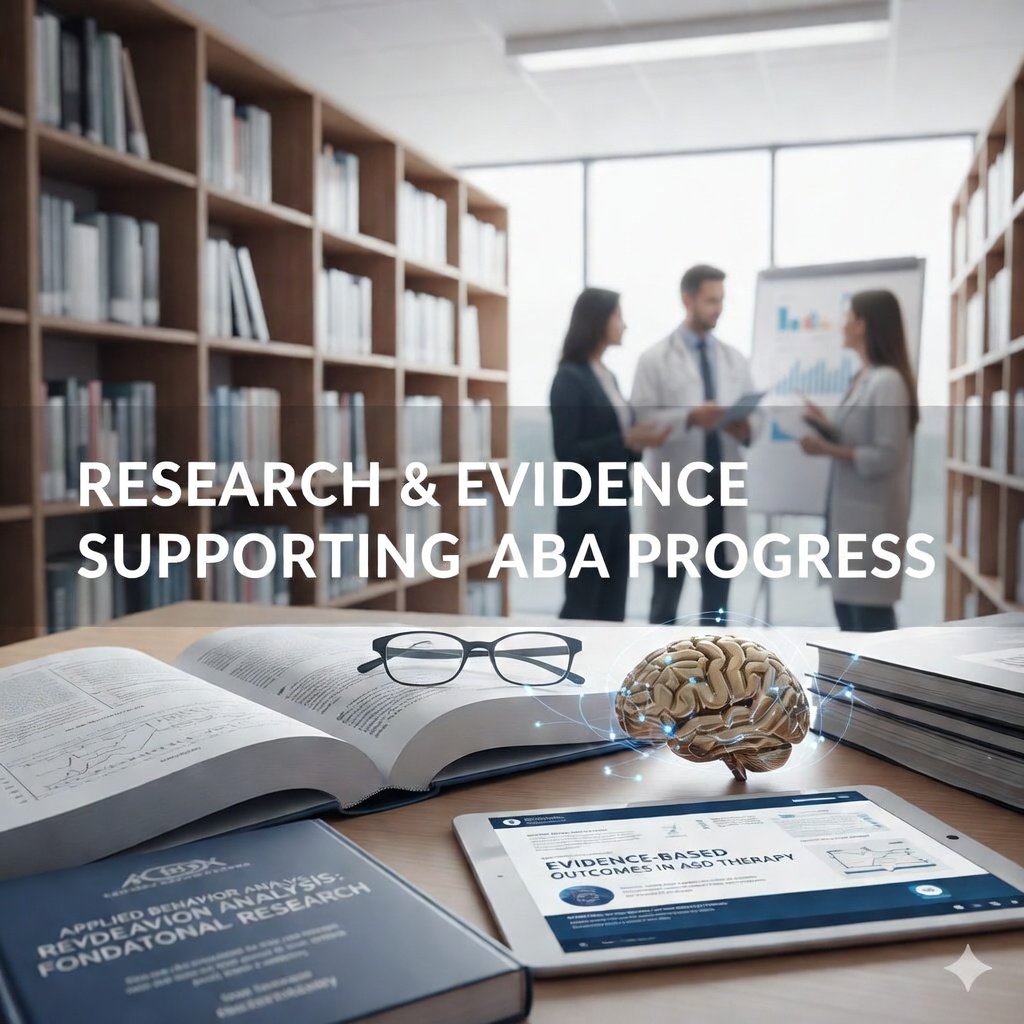
Description; Parents of children with autism often search for therapies that are supported by strong research and real-life results. One of the most widely studied and scientifically supported approaches is Applied Behavior Analysis (ABA) therapy. Over the past several decades, many researchers, psychologists, and medical professionals have studied ABA therapy to understand how effective it is in helping children with autism and developmental challenges. The results from these studies provide encouraging evidence for families looking for reliable support.
ABA therapy is based on the science of behavior and learning. It focuses on understanding how behavior works, how it is affected by the environment, and how learning takes place. Through structured teaching methods, positive reinforcement, and consistent practice, ABA therapy helps children develop important skills such as communication, social interaction, self-care, and academic abilities.
One of the most important reasons ABA therapy is widely recommended is the large amount of scientific research supporting its effectiveness. Since the 1960s, researchers have conducted hundreds of studies examining the impact of ABA therapy on children with Autism Spectrum Disorder (ASD). These studies consistently show improvements in language development, social skills, attention, and daily living abilities.
Early intensive behavioral intervention (EIBI), which is based on ABA principles, has shown especially strong results. Research has found that children who begin ABA therapy at an early age and receive consistent, structured sessions often make significant developmental progress. Many children improve their communication skills, reduce challenging behaviors, and become more independent in everyday activities.
Several well-respected organizations have also recognized ABA therapy as an evidence-based treatment. Health and psychology organizations around the world have reviewed decades of research and concluded that ABA therapy is an effective approach for helping individuals with autism. Because of this strong scientific support, many healthcare providers, therapists, and educational institutions recommend ABA therapy as part of a comprehensive treatment plan.
Another important strength of ABA therapy is that it is highly individualized. Researchers have found that therapy is most effective when programs are designed around the unique needs of each child. ABA professionals carefully assess a child’s abilities, challenges, and learning style before creating a personalized treatment plan. Progress is continuously measured through data collection, allowing therapists to adjust strategies and ensure that the child continues to learn and grow.
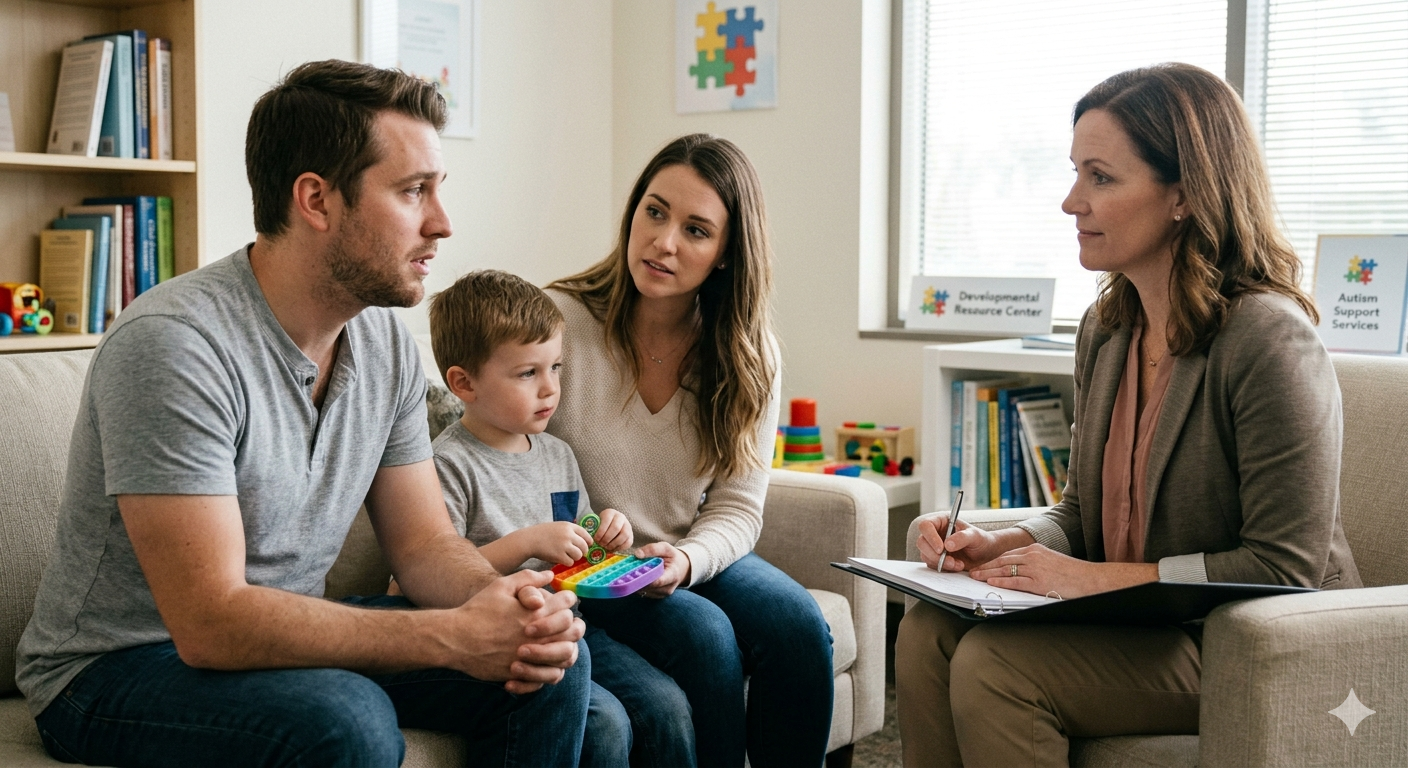
Parents also play an important role in the success of ABA therapy. Research shows that when parents are actively involved in their child’s therapy, children often make faster and more meaningful progress. Many ABA programs include parent training so families can use effective strategies at home and support their child’s development in everyday situations.
In addition to improving skills, ABA therapy also helps reduce behaviors that may interfere with learning or social interaction. Through positive reinforcement and supportive teaching methods, therapists help children learn more appropriate ways to communicate their needs and emotions. This not only benefits the child but also improves family life and social relationships.
While every child develops at their own pace, the large body of research supporting ABA therapy gives parents confidence that they are choosing a scientifically supported approach. The goal of ABA therapy is not just to reduce challenges but to help children build meaningful skills that improve their quality of life.
In conclusion, decades of research and evidence have demonstrated that ABA therapy is an effective and reliable approach for supporting children with autism and developmental delays. By focusing on individualized learning, positive reinforcement, and measurable progress, ABA therapy continues to help children develop important life skills and reach their full potential. For parents seeking evidence-based support, ABA therapy remains one of the most trusted and well-researched options available.