


Role of Psychologists in Diagnosis: Unlocking Mental Health Insights
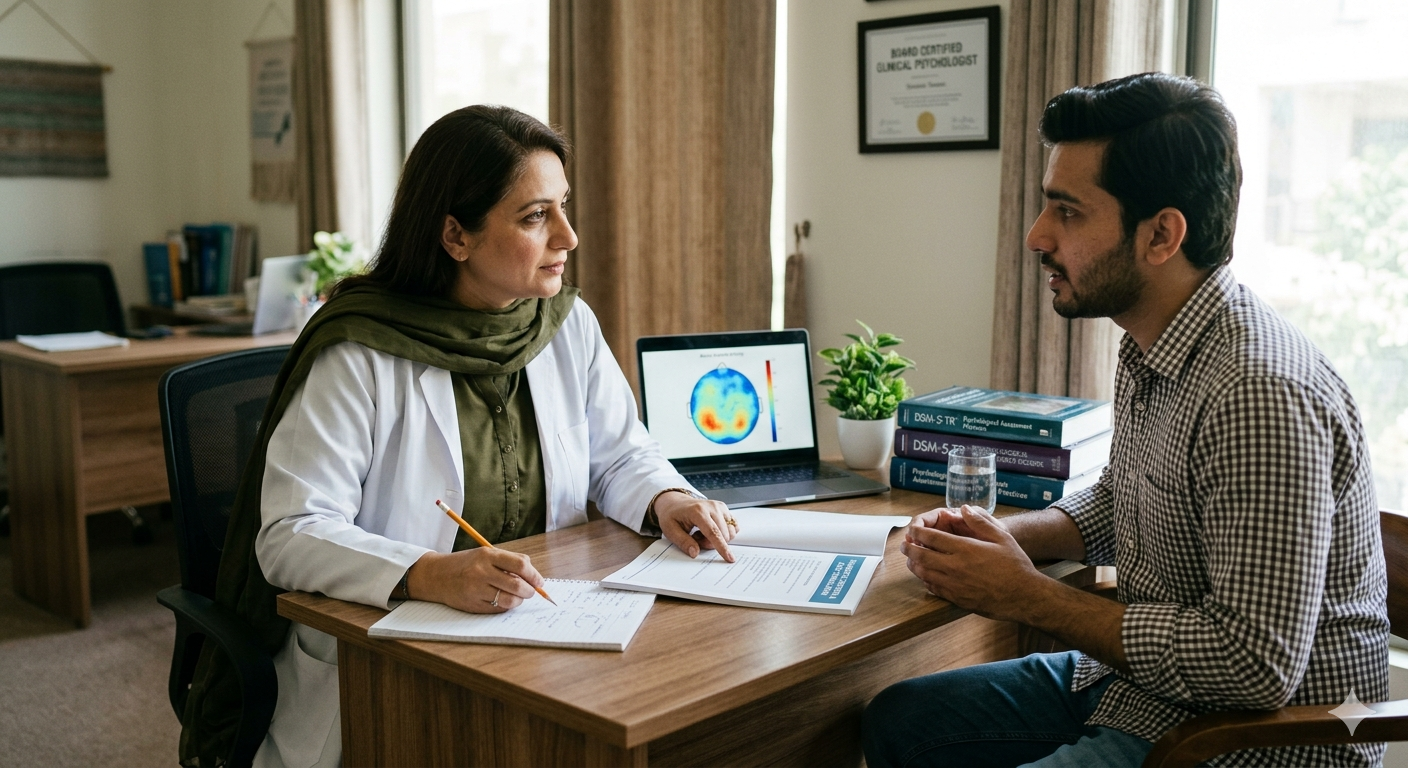
In the complex world of mental health, the role of psychologists in diagnosis stands as a cornerstone. Psychologists bring specialized expertise to identify, assess, and understand psychological conditions, paving the way for effective treatment. Unlike psychiatrists who may prescribe medication, psychologists focus on behavioral patterns, emotions, and cognitive processes through evidence-based assessments. This article explores their pivotal contributions, from initial evaluations to collaborative care.
Why Psychologists Are Essential in the Diagnostic Process
Psychologists are trained to detect subtle signs of mental health disorders that might evade general practitioners. Their role of psychologists in diagnosis involves a holistic approach, considering biological, psychological, and social factors—often called the biopsychosocial model.
They use standardized tools like the DSM-5 (Diagnostic and Statistical Manual of Mental Disorders) or ICD-11 criteria to ensure accuracy. For instance, in diagnosing anxiety disorders, a psychologist might observe physiological symptoms (e.g., rapid heartbeat), cognitive distortions (e.g., catastrophic thinking), and environmental triggers (e.g., work stress). This nuanced evaluation prevents misdiagnosis, which affects up to 20% of cases in primary care settings, according to the American Psychological Association (APA).
Key Steps Psychologists Take in Diagnosis
The diagnostic journey with psychologists follows a structured yet flexible process. Here’s how it typically unfolds:
-
Initial Intake and History Gathering: Psychologists start with detailed interviews to build rapport and collect personal, family, and medical history. This helps identify risk factors like trauma or genetics.
-
Standardized Testing and Assessments: Tools such as the Minnesota Multiphasic Personality Inventory (MMPI) or Beck Depression Inventory provide quantifiable data. For ADHD in adults, they might use the Conners Adult ADHD Rating Scale to measure inattention and impulsivity.
-
Behavioral Observations: In clinical settings, psychologists note nonverbal cues, like avoidance in social anxiety, which self-reports might miss.
-
Differential Diagnosis: They rule out physical causes (e.g., thyroid issues mimicking depression) by collaborating with physicians, ensuring a comprehensive picture.
This methodical approach minimizes errors and tailors interventions, making psychologists indispensable.
Specialized Roles Across Mental Health Conditions
Psychologists adapt their diagnostic skills to diverse disorders, enhancing outcomes in various contexts.
In Neurodevelopmental Disorders
For conditions like autism spectrum disorder (ASD) or ADHD, child psychologists use play-based assessments and parent questionnaires. Early diagnosis—often by age 2 for ASD—allows interventions that improve long-term functioning.
In Mood and Anxiety Disorders
Clinical psychologists excel in diagnosing depression or PTSD through structured interviews like the SCID-5 (Structured Clinical Interview for DSM-5). Their insights reveal co-occurring issues, such as anxiety masking bipolar disorder.
In Forensic and Organizational Settings
Forensic psychologists diagnose competency to stand trial, while industrial-organizational psychologists assess workplace stress-related disorders, informing HR policies.
Collaboration: Psychologists as Part of the Care Team
The role of psychologists in diagnosis extends beyond solo efforts. They partner with psychiatrists, social workers, and primary care doctors in multidisciplinary teams. For example, in the U.S., integrated care models like those in the Patient-Centered Medical Home emphasize psychologists’ input for holistic treatment plans. This teamwork reduces stigma, speeds up access to therapy, and boosts recovery rates—studies show collaborative diagnoses improve patient adherence by 30%.
Challenges and the Future of Psychological Diagnosis
Despite their expertise, psychologists face hurdles like long waitlists and insurance barriers. Emerging technologies, such as AI-assisted screening tools, are augmenting their work without replacing human judgment. Telepsychology has surged post-COVID, enabling remote diagnostics via secure video platforms, making services accessible in rural areas.
Looking ahead, cultural competency training ensures psychologists address diverse populations effectively, refining diagnostic accuracy.
Empowering Better Mental Health Outcomes
The role of psychologists in diagnosis is transformative, bridging the gap between symptoms and solutions. By providing precise, empathetic assessments, they not only identify issues but also empower individuals toward recovery. If you’re experiencing mental health concerns, seeking a licensed psychologist is a proactive step—early diagnosis can change lives.
For more on mental health resources, check the APA’s psychologist locator or consult your healthcare provider.
Last updated: April 2026