
Signs and Symptoms of Autism: Early Detection Guide for Parents
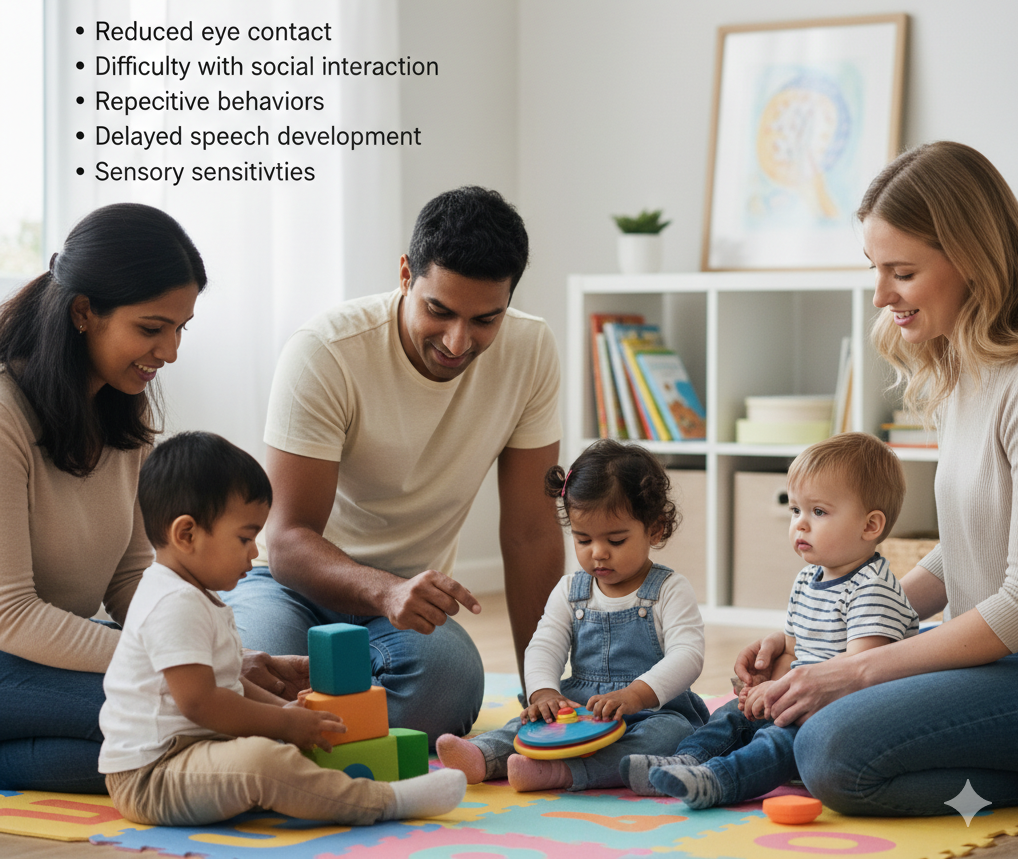
Autism Spectrum Disorder (ASD), often simply called autism, affects how people communicate, interact, and experience the world. Recognizing the signs and symptoms of autism early can lead to timely interventions that make a big difference. This guide breaks down common indicators by age group, helping parents and caregivers spot potential red flags and take action.
What Is Autism Spectrum Disorder?
Autism is a neurodevelopmental condition that varies widely in severity—hence the term “spectrum.” It typically appears in early childhood and lasts a lifetime. According to the CDC, about 1 in 36 children in the US is diagnosed with ASD. While there’s no single cause, genetics and environmental factors play roles. Early signs often emerge by age 2, but some children show subtler symptoms later.
Early Signs and Symptoms of Autism in Infants (Birth to 12 Months)
Babies with autism may not hit typical milestones. Watch for these signs and symptoms of autism:
-
Limited eye contact or not responding to their name by 9 months.
-
No babbling or gesturing (pointing, waving) by 12 months.
-
Lack of smiling or joyful expressions in social situations.
-
Unusual reactions to sounds, lights, or textures, like extreme sensitivity.
For example, a 6-month-old might ignore peek-a-boo, while neurotypical babies giggle and reach out.
Signs and Symptoms of Autism in Toddlers (12-24 Months)
By toddlerhood, social and communication delays become clearer. Key signs and symptoms of autism include:
-
Delayed or absent speech; no single words by 16 months or two-word phrases by 24 months.
-
Repetitive behaviors, like spinning wheels or lining up toys obsessively.
-
Difficulty with pretend play or imitating others.
-
Preferring to play alone; little interest in peers.
The CDC’s “Learn the Signs. Act Early” program flags these as prompts for screening.
Signs and Symptoms of Autism in Older Children (Ages 3+)
As kids grow, challenges in school and social settings emerge. Common signs and symptoms of autism are:
-
Intense fixations on specific topics (e.g., trains or numbers).
-
Sensory sensitivities, such as aversion to certain fabrics or loud noises.
-
Trouble understanding emotions or social cues, leading to meltdowns.
-
Rigid routines; distress over small changes.
Girls may mask symptoms better, appearing shy rather than overtly autistic, which can delay diagnosis.
When to Seek Professional Help
Not every quirky behavior means autism—many kids outgrow mild delays. But if you notice multiple signs and symptoms of autism, consult a pediatrician. Tools like the M-CHAT screening questionnaire can help. Early therapies, such as ABA (Applied Behavior Analysis) or speech therapy, improve outcomes dramatically.
Myths vs. Facts About Autism Signs
-
Myth: All autistic kids are savants. Fact: Strengths vary; some excel in math, others struggle.
-
Myth: Vaccines cause autism. Fact: Extensive research debunks this.
-
Myth: Autism only affects boys. Fact: It impacts all genders, though boys are diagnosed 4x more often.
Next Steps for Parents
Track behaviors with a journal and share with your doctor. Resources like Autism Speaks or the Autism Society offer free tools. Remember, a diagnosis opens doors to support—not a label.
Early detection changes lives. If these signs and symptoms of autism resonate, act today.