

Signs of Autism at Age 3: Early Detection Guide for Parents

Early identification of autism spectrum disorder (ASD) at age 3 can lead to timely interventions that improve outcomes. Recognizing these signs helps parents seek professional evaluation promptly.
Social Interaction Challenges
Children at age 3 with autism often struggle with basic social engagement. They may avoid eye contact, not respond to their name, or show little interest in playing with peers.
-
Prefers solitary play over group activities.
-
Does not share toys or take turns, even with prompting.
-
Lacks interest in making friends or understanding social cues.
These behaviors differ from typical shyness, as they persist across settings.
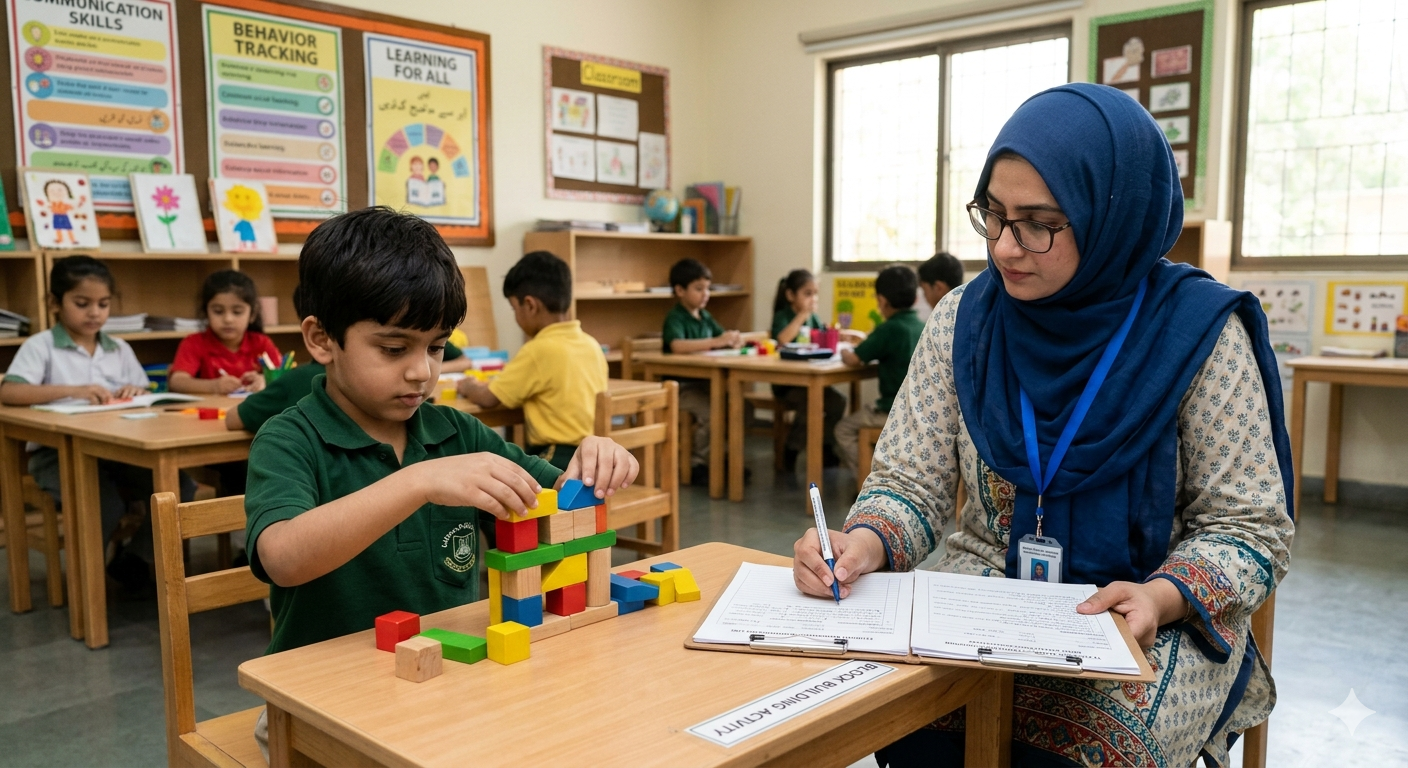
This photo shows a young child playing alone, highlighting common isolation tendencies observed in autism signs.
Communication Delays
Language development lags are prominent by age 3. A child might have fewer than 50 words, avoid two-word phrases, or repeat phrases without context (echolalia).
-
Limited gestures like pointing or waving.
-
Flat or sing-song speech patterns.
-
Difficulty following simple instructions or engaging in pretend play.
Parents often notice these alongside reduced back-and-forth conversation.
Repetitive Behaviors and Routines
Repetitive actions and rigid routines signal autism at this age. Hand-flapping, rocking, spinning objects, or lining up toys are frequent.
-
Intense distress over minor routine changes.
-
Obsessive focus on parts of toys rather than whole play.
-
Unusual attachments to specific objects or rituals.
These patterns can interfere with daily flexibility.
Sensory and Emotional Signs
Sensory sensitivities affect many 3-year-olds with autism. They may overreact to sounds, textures, or lights, or underreact to pain.
-
Frequent meltdowns from sensory overload.
-
Irregular sleep, eating, or fear responses.
-
Impulsivity, aggression, or self-injury in frustration.
Emotional regulation challenges compound these issues.
When to Seek Help
If three or more signs persist for weeks, consult a pediatrician for screening. Early intervention before age 5 yields better results in social, language, and behavioral skills.
Diagnosis involves observing multiple areas, not single traits. Therapies like ABA can start immediately post-evaluation.