
“Special Education Programs: Benefits, Challenges, and What Parents Need to Know”.

Special education programs provide tailored support for students with disabilities, helping them access education through individualized plans and specialized classrooms. These programs aim to bridge learning gaps but face ongoing debates about effectiveness and implementation.
What Are Special Education Programs?
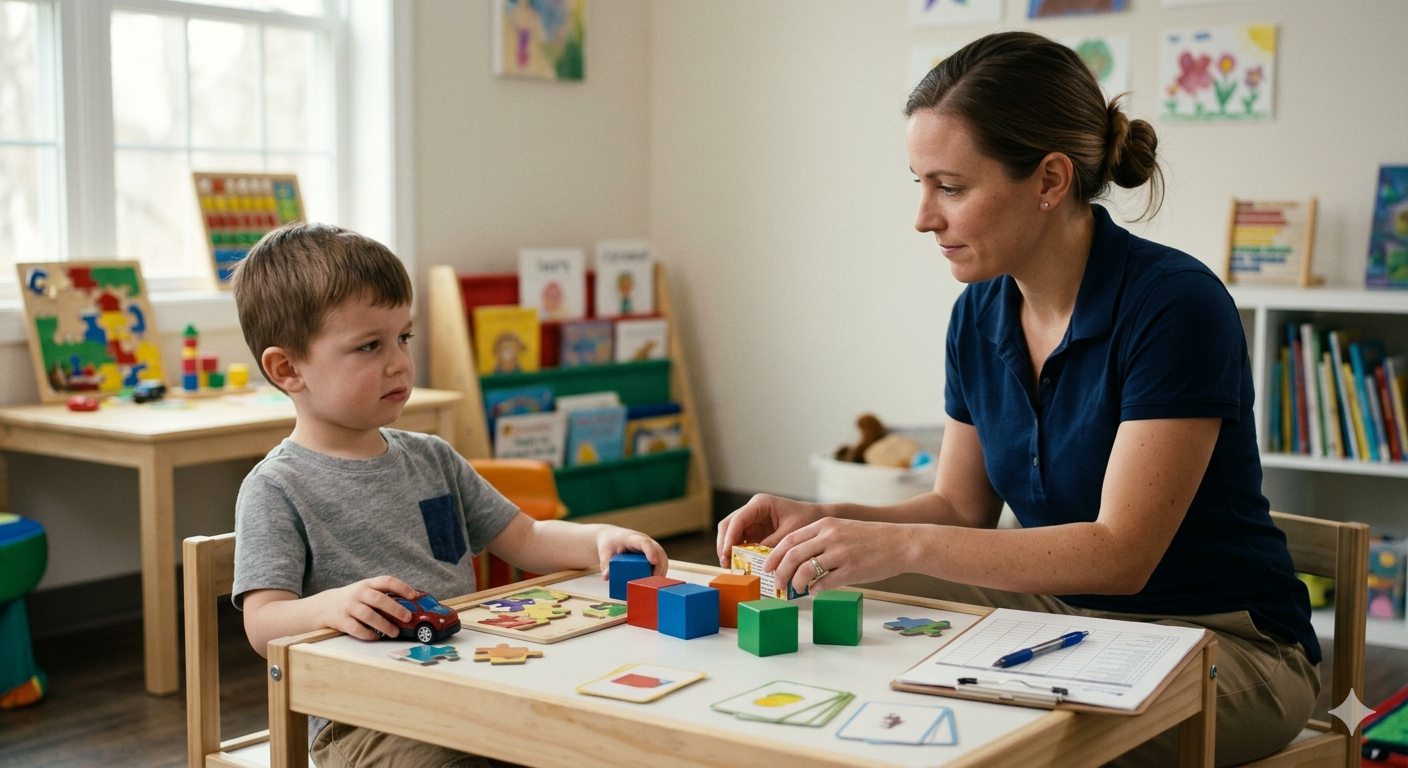
Special education programs offer customized instruction for children with disabilities like autism, dyslexia, intellectual challenges, or speech impairments. They include Individualized Education Programs (IEPs), which outline goals, services such as speech or occupational therapy, and accommodations like extended test time. In the US, these fall under IDEA, covering ages birth to 21 with services like early intervention and transition planning.
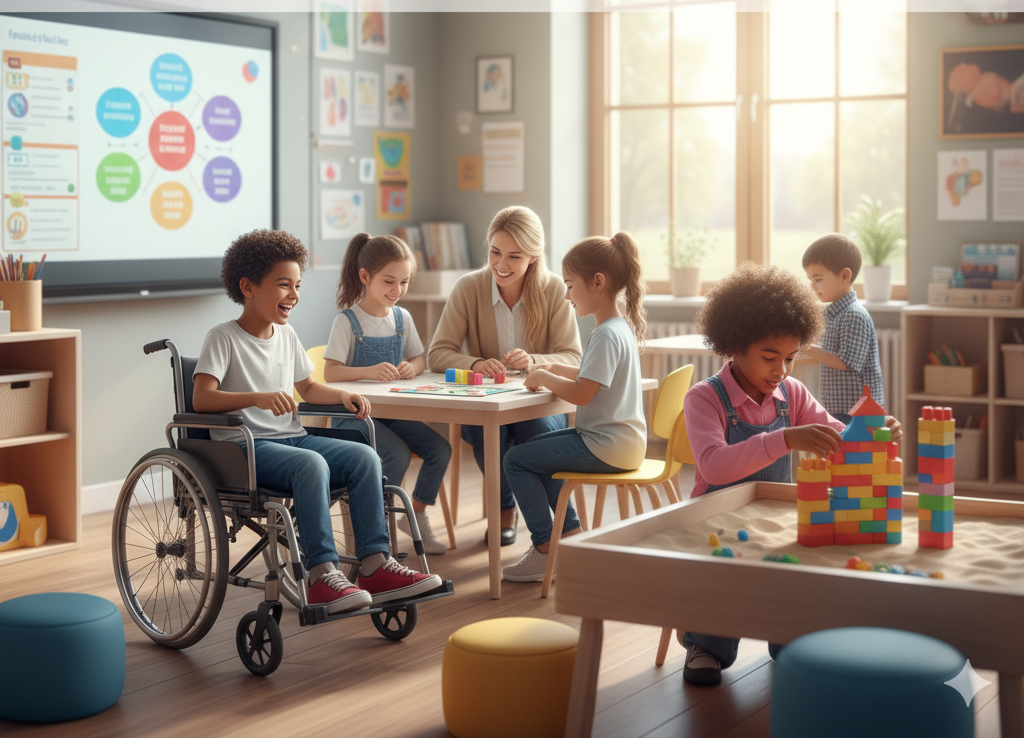
Common types range from resource rooms for pull-out support to full inclusion in general classrooms and specialized schools for severe needs. Programs often integrate therapies—speech for communication, occupational for motor skills—and social skills training.
Key Benefits
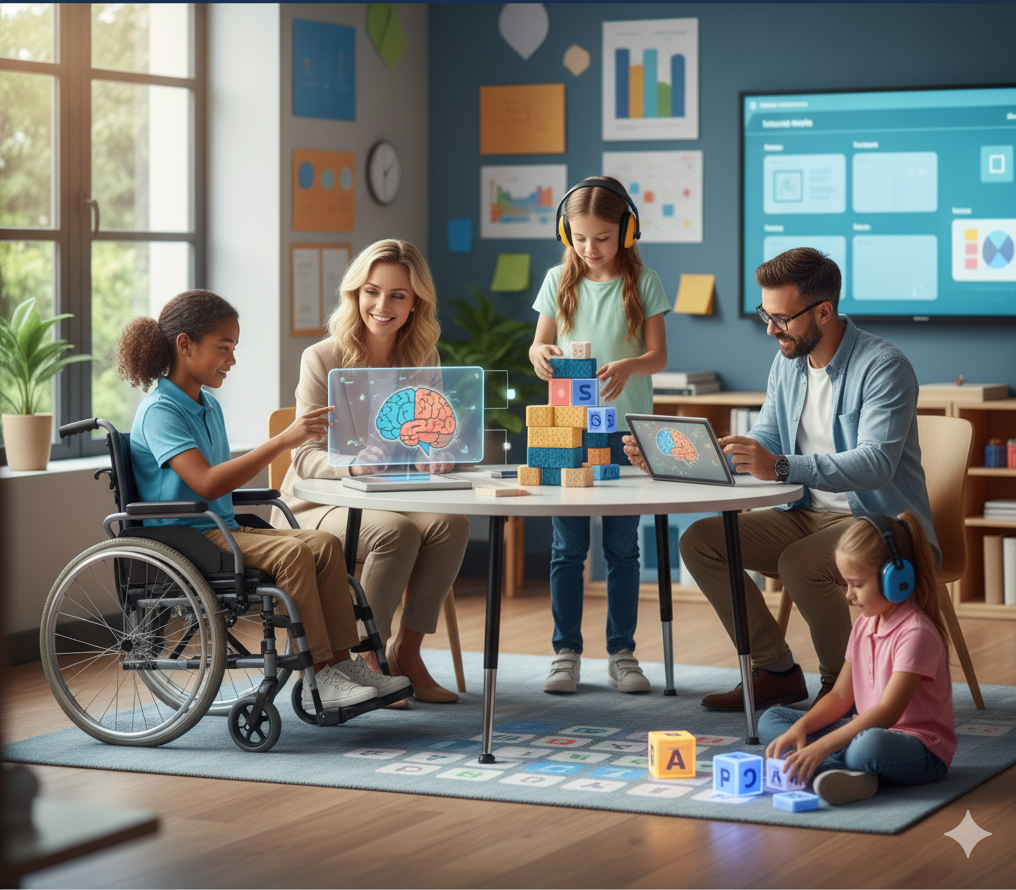
These programs enhance learning outcomes through personalized tech and interactive methods, bridging gaps for diverse needs. IEPs provide therapies, counseling, and assistive tech, fostering independence and reducing long-term dependency. Students build social skills, confidence, and life readiness, with early intervention yielding strong results.
Teachers form lasting bonds, offering daily variety and fulfillment in seeing progress.
Common Challenges
Bureaucratic hurdles plague programs, with IEPs often becoming generic boilerplate lacking specifics, delaying services like evaluations by months. Funding shortages, resource gaps, and stigma limit access, especially in under-resourced areas. Inclusion can overwhelm mainstream classrooms without proper support, leading to behavior issues and teacher burnout.
Paperwork, communication barriers, and inconsistent implementation frustrate families and educators.
Types of Programs
Top US examples include Vanderbilt’s acclaimed programs and schools like Kennedy Krieger.
Finding the Right Fit
Parents should review IEPs annually, advocate for updates, and explore local options via school districts or private schools. Combine with home strategies for best results. If seeking programs, start with evaluations to match needs like autism support or speech therapy.
Ready to explore special education programs? Contact your district for a free assessment today.