

Speech Therapy for Kids: A Parent’s Essential Guide

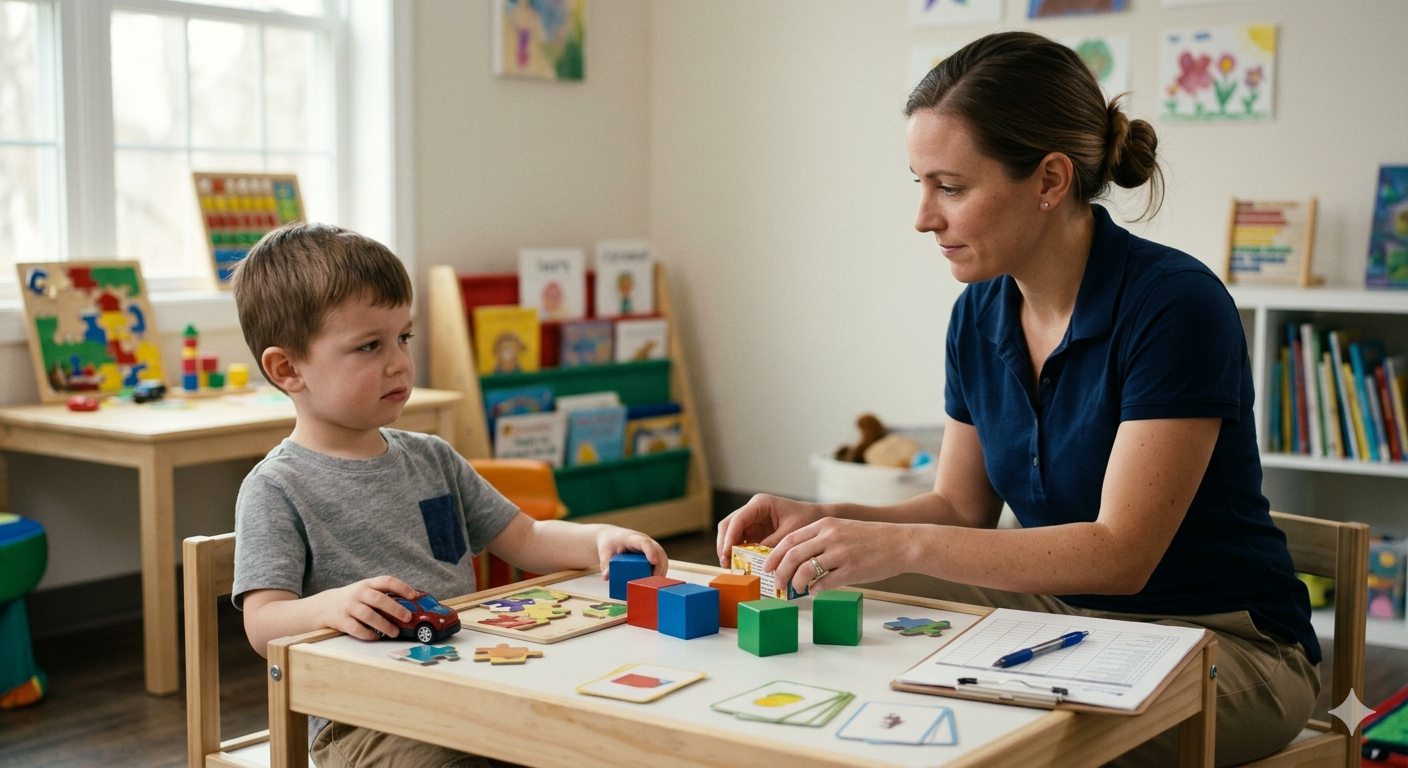
Speech therapy helps children overcome communication challenges, improving their ability to speak clearly, understand language, and connect with others. Led by certified speech-language pathologists (SLPs), it targets issues like articulation, fluency, and social skills through fun, tailored activities.
Common Speech Issues in Children
Children may struggle with sound production, where words come out unclear, or language delays affecting vocabulary and sentence-building. Stuttering and social communication difficulties, like reading nonverbal cues, are also frequent, often linked to developmental or auditory processing variations.
Therapy success relies on early intervention, using repetition, modeling, and visual aids to build skills at the child’s pace.
Key Therapy Techniques
SLPs employ engaging methods like articulation exercises with games and mouth models to perfect sounds. Language activities involve books, stories, and apps for grammar and comprehension, while role-playing boosts conversation turn-taking.
Computer-based tools and group games enhance motivation, mimicking familiar play formats to reinforce auditory awareness and peer interaction.
Home Activities to Support Progress
Parents can reinforce therapy by narrating daily routines like meals (“Socks on… all done!”) to expand vocabulary naturally. Sound hunts during walks (“Find /t/ like tree!”) and story retells after books build sequencing and expression.
Conversation games, such as Simon Says or charades, promote eye contact and topic focus without feeling like drills.
Benefits and When to Seek Help
Therapy fosters confidence, better school performance, and stronger friendships by addressing issues early. Consult an SLP if your child stutters beyond age 5, isn’t clear to strangers by 4, or shows comprehension delays.
Reputable programs are available worldwide, including in Australia, London, and the US, offering specialized pediatric speech therapy services.