


Step-by-Step ABA Therapy Techniques for Beginners: A Parent’s Guide
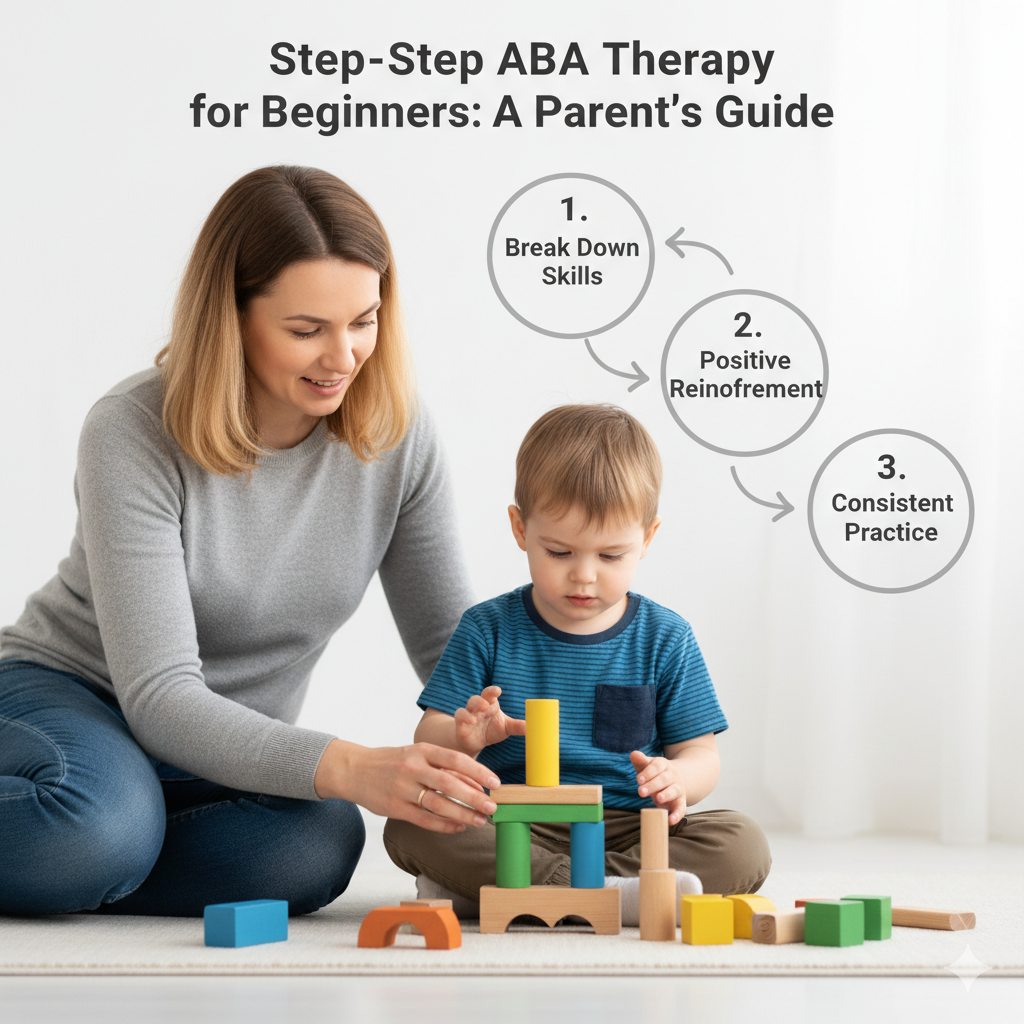
Description; Applied Behavior Analysis (ABA) therapy is one of the most widely used approaches to help children with autism and other developmental challenges learn important life skills. Many parents hear about ABA therapy but feel unsure about how it actually works or how they can support their child at home.
This beginner-friendly guide explains simple, step-by-step ABA therapy techniques that parents can understand and start using in everyday situations.
Understanding the Basics of ABA Therapy
ABA therapy focuses on understanding behavior and how it is affected by the environment. The goal is to encourage helpful behaviors and reduce behaviors that may make learning or communication difficult.
ABA works through three simple steps:
Antecedent – what happens before a behavior
Behavior – the action the child performs
Consequence – what happens after the behavior
By observing these three parts, parents and therapists can understand why a behavior occurs and how to guide children toward more positive actions.
Step 1: Identify the Behavior You Want to Teach
The first step in ABA therapy is choosing a clear and specific behavior. Instead of focusing on many things at once, start with one small skill.
Examples include:
Making eye contact when called
Saying “please” or “thank you”
Following a simple instruction
Asking for help
Choose behaviors that will make everyday life easier for your child and family.
Step 2: Break the Skill into Small Steps
Many children learn better when tasks are broken into smaller, manageable parts. This method is called task analysis.
For example, teaching a child to wash hands can be broken into steps such as:
Turn on the tap
Put hands under water
Apply soap
Rub hands together
Rinse hands
Turn off the tap
Dry hands
Teaching one step at a time helps children feel successful and less overwhelmed.
Step 3: Use Clear and Simple Instructions
Children respond better to short and direct instructions. Avoid giving too many directions at once.
Instead of saying:
“Go to the bathroom and wash your hands properly before dinner.”
Try:
“Please wash your hands.”
Clear communication makes it easier for your child to understand what is expected.
Step 4: Provide Positive Reinforcement
Positive reinforcement is one of the most important techniques in ABA therapy. When a child performs a desired behavior, they receive a reward or encouragement.
Examples of reinforcement include:
Verbal praise (“Great job!”)
A favorite toy
Extra playtime
Stickers or small rewards
The key is to provide reinforcement immediately after the correct behavior so the child connects the action with the reward.
Step 5: Practice Through Repetition
Learning new skills takes time and practice. Repetition helps children understand and remember what they have learned.
Practice the skill regularly during daily routines. For example:
Encourage your child to request items during meals.
Practice greeting family members when they arrive home.
Short and frequent practice sessions are usually more effective than long sessions.
Step 6: Use Prompting When Needed
Prompting means giving a little help so the child can complete the task successfully. Prompts can be:
Verbal prompts: giving hints or reminders
Gestural prompts: pointing or showing what to do
Physical prompts: gently guiding the child’s hand
Over time, prompts should be reduced so the child learns to perform the behavior independently.
Step 7: Track Progress
Keeping track of your child’s progress helps you see what is working and where adjustments may be needed.
Parents can record simple notes such as:
How often the behavior occurs
Situations when the child succeeds
Challenges that appear during practice
This information is also helpful when working with therapists or teachers.
Creating a Supportive Learning Environment at Home
ABA therapy works best when learning continues beyond therapy sessions. Parents play a powerful role in reinforcing skills during everyday activities.
Some helpful tips include:
Maintain a consistent routine
Celebrate small successes
Be patient with progress
Stay positive and encouraging
Every child learns at their own pace, and small improvements can lead to meaningful long-term progress.
Final Thoughts
ABA therapy techniques can feel complex at first, but when broken into simple steps they become easier for parents to understand and apply. By identifying behaviors, teaching skills step by step, and using positive reinforcement, parents can help their children build communication, independence, and confidence.
With patience, consistency, and support, ABA strategies can make everyday learning opportunities part of your child’s growth journey.