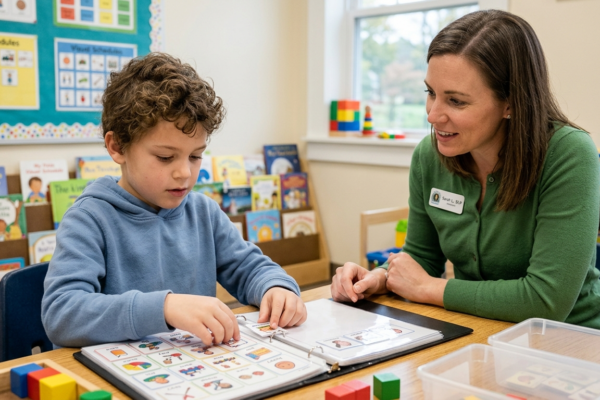
Autism and Behavioral Observation: Key Insights for Parents and Therapists

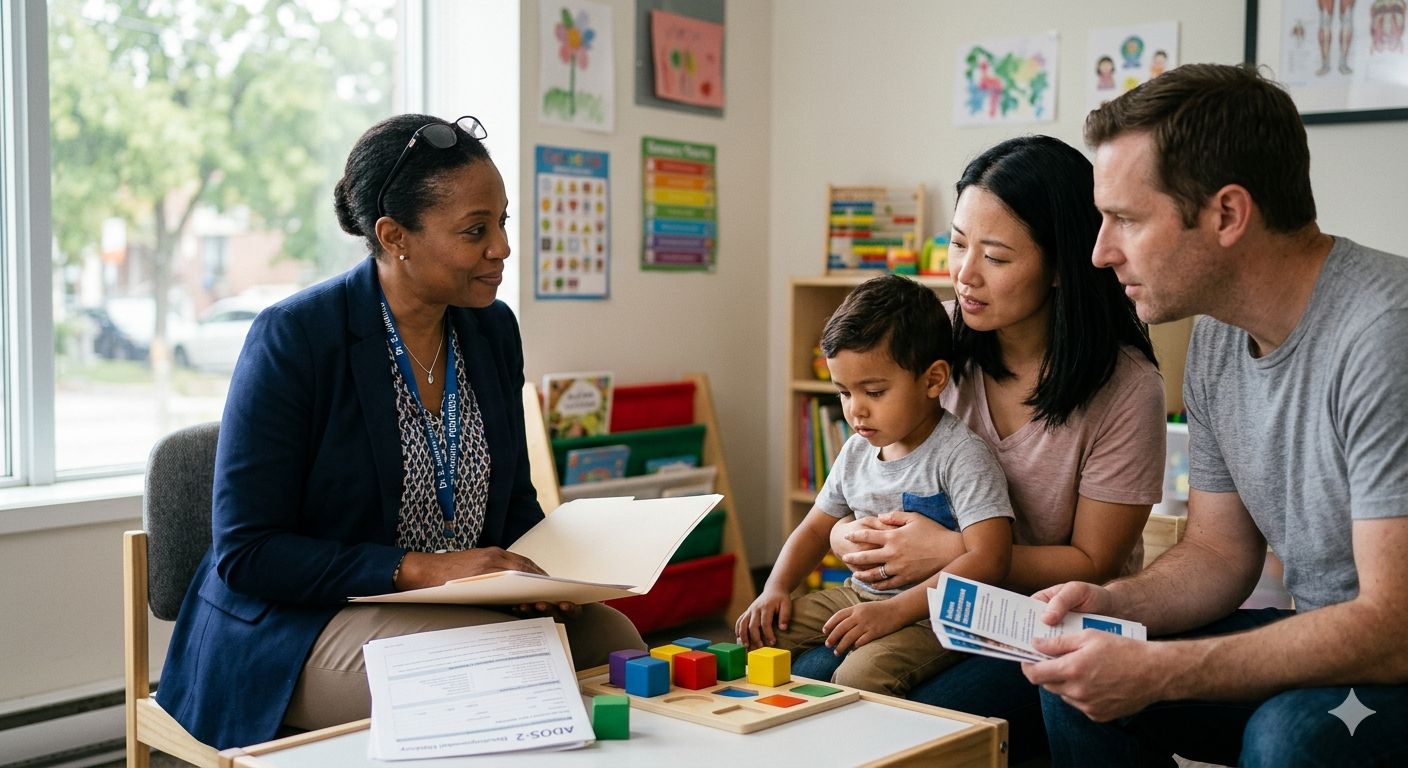
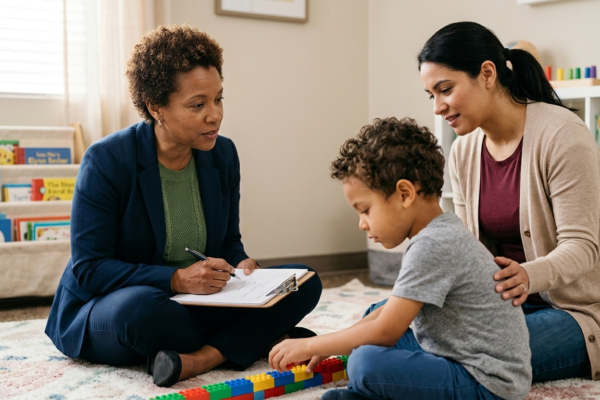
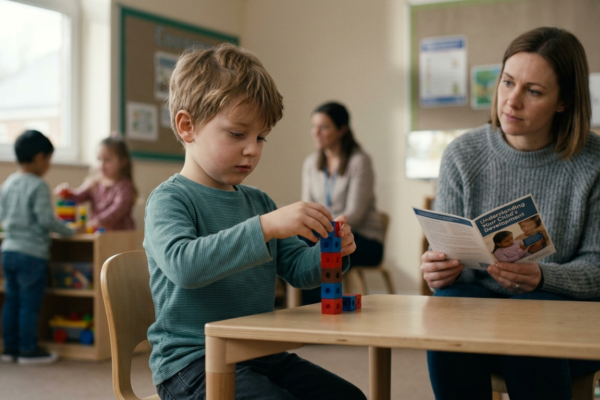
Autism and behavioral observation form the cornerstone of effective support for individuals on the autism spectrum. By closely watching and documenting behaviors, parents, educators, and therapists can uncover patterns, triggers, and strengths that guide personalized interventions. This article explores what behavioral observation entails in the context of autism, why it matters, and practical steps to…

Read More

Signs of Autism at Age 5: What Parents Should Know

By age 5, most children are talking in full sentences, joining in pretend play, and starting to understand simple social rules. For some kids, though, certain behaviors and communication patterns may raise concerns about autism spectrum disorder (ASD). Recognizing these signs early can help families access support sooner and give the child the best chance…

Read More

The Vital Role of Pediatricians in Autism: Early Detection, Diagnosis, and Ongoing Support

Pediatricians play a pivotal role in autism spectrum disorder (ASD), serving as the first line of defense for early identification, diagnosis, and lifelong management. In the US, where about 1 in 36 children is diagnosed with autism according to the CDC’s latest data, these frontline healthcare providers bridge the gap between concern and comprehensive care….

Read More

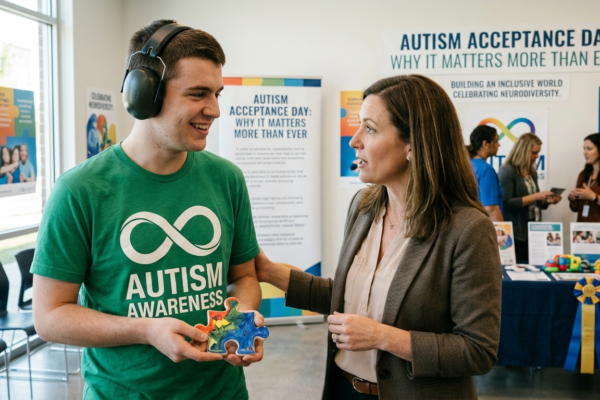
Why Autism Understanding Matters: Building a More Inclusive World

In today’s diverse society, why autism understanding matters has never been more critical. Autism Spectrum Disorder (ASD) affects 1 in 36 children in the U.S., according to the CDC’s latest 2023 data, yet misconceptions persist. Greater awareness fosters empathy, improves support systems, and unlocks potential for millions. This article explores the key reasons why autism understanding matters, from…

Read More

Autism and Nonverbal Communication: Unlocking Hidden Messages

Autism and nonverbal communication often go hand-in-hand, as many individuals on the autism spectrum struggle with traditional verbal expression. Yet, this doesn’t mean they lack a voice—their world brims with subtle cues like gestures, facial expressions, and body language. Understanding autism and nonverbal communication can transform interactions, fostering deeper connections and support. In this article,…

Read More

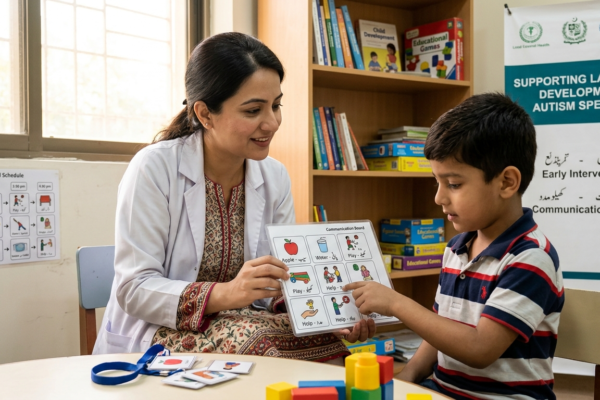
Autism and Language Development: Understanding Challenges and Proven Strategies

Autism and language development often go hand-in-hand in early childhood discussions. Children on the autism spectrum may face unique hurdles in acquiring speech and communication skills, but with targeted interventions, many achieve significant progress. This article explores the connection between autism and language development, common delays, and effective therapies to support your child’s journey. The…

Read More

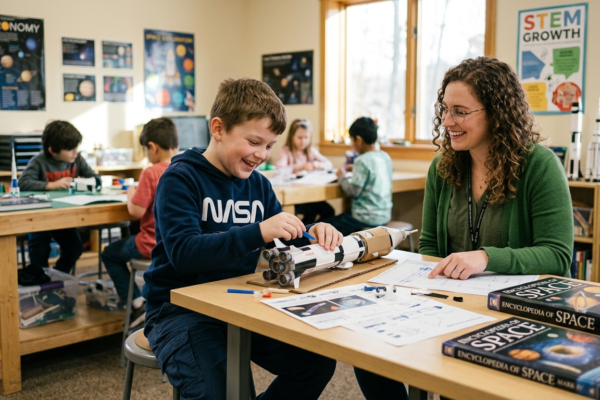
Autism and Special Interests: Harnessing Passion for Growth and Joy

Special interests are a hallmark of autism spectrum disorder (ASD), often sparking intense fascination with specific topics like trains, dinosaurs, or coding. Far from mere hobbies, these passions—known as autism and special interests—can unlock profound strengths, foster social connections, and even pave the way for fulfilling careers. In this article, we’ll explore what they are, why…

Read More

High-Functioning Autism Explained: Signs, Strengths, and Support Strategies

High-functioning autism, often linked to what was previously called Asperger’s syndrome, describes individuals on the autism spectrum who have average or above-average intelligence and can manage daily life with minimal support. But what does “high-functioning autism” really mean? In this guide, we’ll break it down—from diagnostic criteria and common signs to unique strengths and practical…

Read More