

Autism in Adults: Signs, Diagnosis, and Thriving Strategies

Autism in adults often flies under the radar, but recognizing it can unlock a world of self-understanding and support. While autism spectrum disorder (ASD) is commonly associated with children, many adults—especially women and high-functioning individuals—discover their neurodivergence later in life. In the U.S. and UK, estimates suggest up to 2.2% of adults may be autistic,…

Read More

Autism in Teenagers: Recognizing Signs, Challenges, and Paths to Thriving

Autism in teenagers often flies under the radar, mistaken for typical adolescent mood swings or rebellion. But for the 1 in 36 children diagnosed with autism spectrum disorder (ASD) in the U.S.—many of whom reach their teens without full support—early recognition can unlock transformative interventions. As teens navigate high school pressures, social media, and identity…

Read More

Autism and Learning Disabilities: Understanding the Connection and Support Strategies

Autism Spectrum Disorder (ASD) and learning disabilities often intersect, creating unique challenges for children and adults navigating education and daily life. While not every person with autism has a learning disability—and vice versa—the overlap affects millions. In the U.S., about 1 in 36 children has ASD, and up to 40% of them also experience specific…

Read More

Autism and Sensory Processing: Understanding Sensory Challenges and Support Strategies

Autism and sensory processing often go hand-in-hand, with many individuals on the autism spectrum experiencing unique sensory sensitivities that impact daily life. Sensory processing refers to how the brain receives, interprets, and responds to sensory input from the environment—like sounds, textures, lights, or movements. For those with autism spectrum disorder (ASD), this process can feel…

Read More

Autism and Pregnancy Factors: Key Insights for Expectant Mothers

Autism spectrum disorder (ASD) arises from a complex mix of genetic and environmental influences, with several prenatal factors during pregnancy linked to elevated risk. Research highlights specific maternal health conditions, exposures, and complications that may contribute to autism development in children. Established Risk Factors Maternal gestational diabetes doubles the risk of autism, as confirmed in…

Read More

Environmental Factors in Autism

Environmental factors play a significant role in autism spectrum disorder (ASD), alongside genetics, by influencing neurodevelopment during critical prenatal and early postnatal periods. Research highlights how exposures like air pollution and maternal health issues can elevate ASD risk, though no single factor causes it alone. Prenatal Exposures Air pollution, especially traffic-related pollutants during the third…

Read More

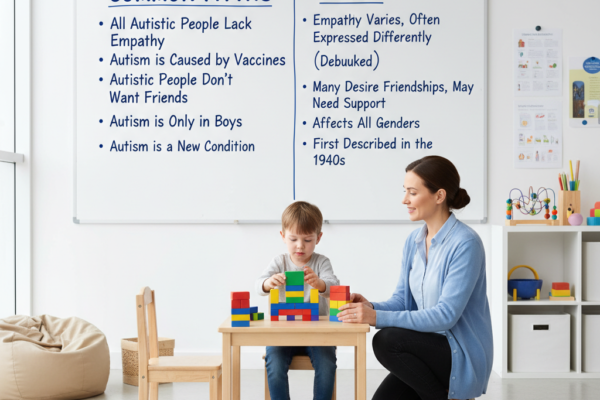
Autism Facts Everyone Should Know

Autism spectrum disorder (ASD) affects millions worldwide, and understanding key facts can foster empathy and better support. This article breaks down essential truths everyone should know to dispel myths and promote awareness. Prevalence Surge Autism now impacts 1 in 31 children, with rates steadily rising over decades. It’s one of the fastest-growing developmental disorders, more…

Read More