
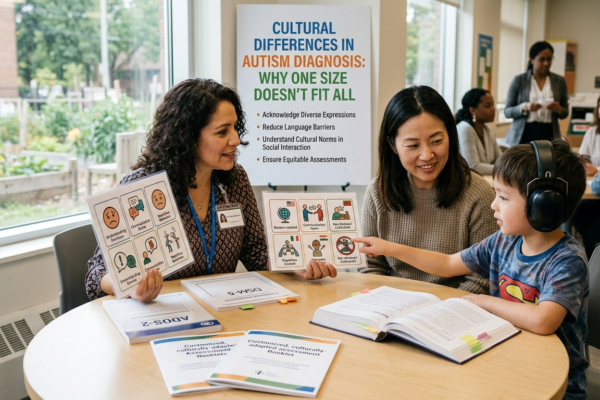
Cultural Differences in Autism Diagnosis: Why One Size Doesn’t Fit All

Autism Spectrum Disorder (ASD) affects millions worldwide, but cultural differences in autism diagnosis create stark disparities in how it’s identified and addressed. In Western countries like the US and UK, diagnosis rates have surged thanks to widespread screening and awareness campaigns. Yet, in many non-Western cultures, autism remains underdiagnosed—or misdiagnosed entirely. These gaps aren’t just numbers; they…


Read More

Autism Diagnosis in Adults

Autism diagnosis in adults is becoming more common as more people recognize lifelong patterns in communication, behavior, and sensory needs. For many adults, the diagnosis brings clarity, self-understanding, and access to the right support. What Autism Means in Adults Autism spectrum disorder is a neurodevelopmental condition, which means the signs begin in early childhood even…

Read More

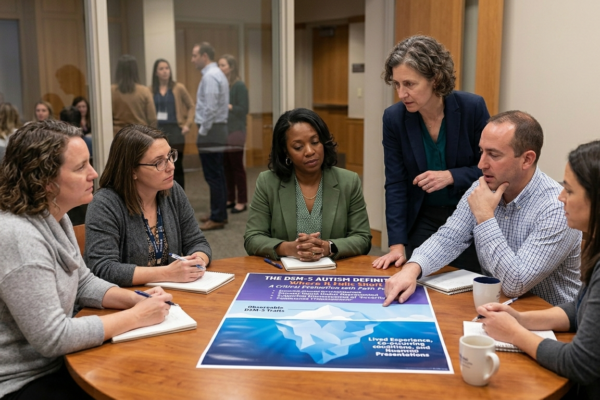
DSM-5 Autism Definition: Why It Falls Short

The DSM-5’s definition of autism spectrum disorder (ASD) has sparked significant debate since its 2013 release, with critics arguing it narrows the diagnostic criteria too much, potentially excluding many who need support. This shift from DSM-IV’s separate categories like Asperger’s syndrome and PDD-NOS to a single ASD umbrella aimed for clarity but raised concerns about…

Read More