

High-Functioning Autism Explained: Signs, Strengths, and Support Strategies

High-functioning autism, often linked to what was previously called Asperger’s syndrome, describes individuals on the autism spectrum who have average or above-average intelligence and can manage daily life with minimal support. But what does “high-functioning autism” really mean? In this guide, we’ll break it down—from diagnostic criteria and common signs to unique strengths and practical…


Read More

Autism Diagnosis Criteria: DSM-5 Essentials Explained

Autism diagnosis criteria provide a standardized framework to identify Autism Spectrum Disorder (ASD), helping professionals support early intervention. These guidelines, primarily from the DSM-5, ensure consistent evaluation across healthcare settings. Core DSM-5 Criteria The DSM-5 outlines five key criteria (A-E) for diagnosing ASD. Criterion A requires persistent deficits in all three areas of social communication:…

Read More

Why Autism is Called a Spectrum: Understanding the Wide Range of Autism Spectrum Disorder (ASD)

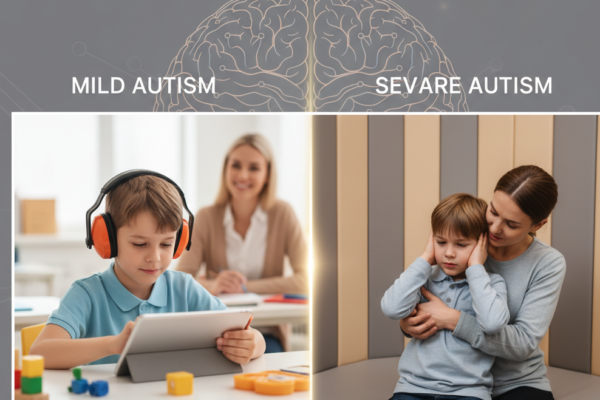
Autism Spectrum Disorder (ASD) affects millions worldwide, but one question comes up often: why is autism called a spectrum? The term “spectrum” perfectly captures the condition’s diversity—no two people with autism experience it exactly the same way. From mild social challenges to profound support needs, autism spans a broad continuum. In this article, we’ll break down…

Read More