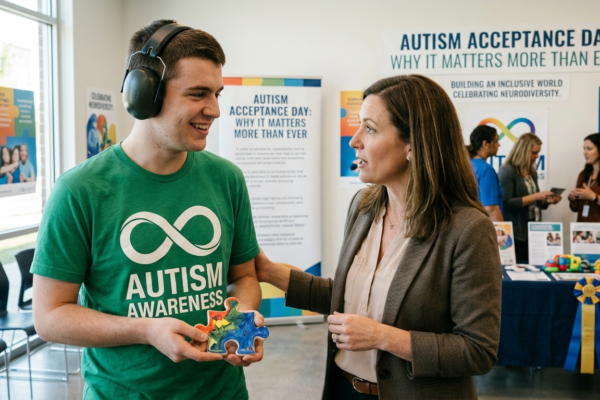


Autism and Behavioral Observation: Key Insights for Parents and Therapists

Autism and behavioral observation form the cornerstone of effective support for individuals on the autism spectrum. By closely watching and documenting behaviors, parents, educators, and therapists can uncover patterns, triggers, and strengths that guide personalized interventions. This article explores what behavioral observation entails in the context of autism, why it matters, and practical steps to…

Read More

Autism and School Screening: Why Early Detection in Schools Saves Lives

In today’s fast-paced classrooms, spotting signs of autism early can transform a child’s educational journey. Autism and school screening programs are gaining momentum as essential tools for identifying autism spectrum disorder (ASD) in young students. With 1 in 36 children diagnosed with autism in the U.S. according to the CDC’s 2023 data, schools stand at the frontline…

Read More

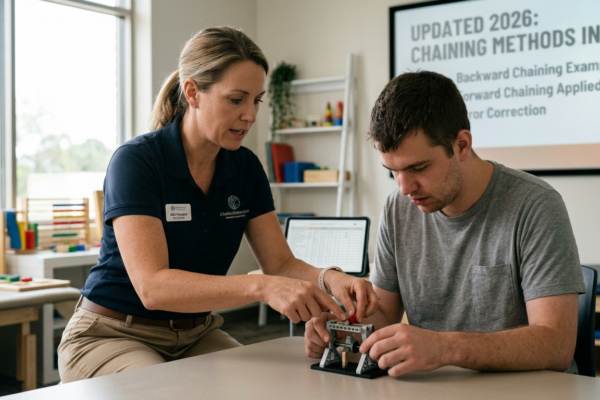
Updated 2026: Chaining Methods in ABA

Chaining methods in Applied Behavior Analysis (ABA) remain a cornerstone for teaching complex skills to individuals with autism and developmental challenges. As of 2026, these techniques continue to evolve with emphasis on individualized, data-driven applications and integration with technology like AI-assisted task analysis. Core Principles of Chaining Chaining breaks down multi-step tasks into smaller components,…

Read More

The Vital Role of Pediatricians in Autism: Early Detection, Diagnosis, and Ongoing Support

Pediatricians play a pivotal role in autism spectrum disorder (ASD), serving as the first line of defense for early identification, diagnosis, and lifelong management. In the US, where about 1 in 36 children is diagnosed with autism according to the CDC’s latest data, these frontline healthcare providers bridge the gap between concern and comprehensive care….

Read More

How Autism is Diagnosed

Autism Spectrum Disorder (ASD) diagnosis relies on behavioral observations and developmental history rather than a single medical test. This comprehensive process helps identify early intervention opportunities for children and adults. Early Screening Tools Screening often begins with tools like the Modified Checklist for Autism in Toddlers (M-CHAT), used around 18-24 months to spot social communication…

Read More

Why Autism Understanding Matters: Building a More Inclusive World

In today’s diverse society, why autism understanding matters has never been more critical. Autism Spectrum Disorder (ASD) affects 1 in 36 children in the U.S., according to the CDC’s latest 2023 data, yet misconceptions persist. Greater awareness fosters empathy, improves support systems, and unlocks potential for millions. This article explores the key reasons why autism understanding matters, from…

Read More

Autism and Nonverbal Communication: Unlocking Hidden Messages

Autism and nonverbal communication often go hand-in-hand, as many individuals on the autism spectrum struggle with traditional verbal expression. Yet, this doesn’t mean they lack a voice—their world brims with subtle cues like gestures, facial expressions, and body language. Understanding autism and nonverbal communication can transform interactions, fostering deeper connections and support. In this article,…

Read More