
Autism and Cognitive Skills: Understanding Strengths, Challenges, and Strategies

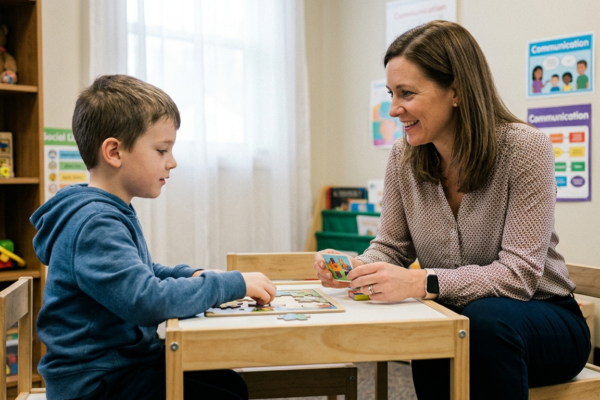
Autism and cognitive skills often intersect in unique ways, shaping how individuals on the autism spectrum process information, solve problems, and interact with the world. While autism spectrum disorder (ASD) can present cognitive hurdles, it also unlocks remarkable strengths like intense focus and pattern recognition. This article explores the relationship between autism and cognitive skills,…

Read More

2026 Guide: Natural Environment Teaching (NET)

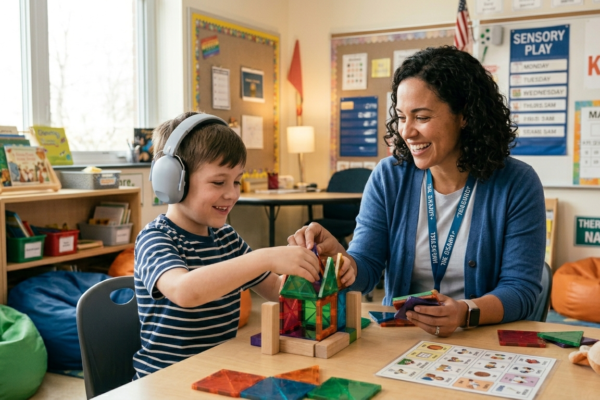
Natural Environment Teaching (NET) is a child-led approach within Applied Behavior Analysis (ABA) therapy that embeds learning into everyday settings like home play or routines. This 2026 guide explores its principles, benefits, and practical strategies for families and therapists supporting children, especially those with autism spectrum disorder (ASD). Core Principles NET follows the child’s interests…

Read More

Autism and Emotional Regulation: Strategies for Everyday Success

Emotional regulation—the ability to recognize, process, and manage feelings—is a common challenge for many children and adults with autism spectrum disorder (ASD). Unlike neurotypical individuals, those with autism often experience intense emotions that feel overwhelming, leading to meltdowns, shutdowns, or anxiety. Understanding autism and emotional regulation can empower parents, educators, and therapists to build practical skills that…

Read More

Autism and Eye Contact Issues: Understanding and Supporting Better Connections

Eye contact is a cornerstone of social interaction for most people, but for those with autism, it can feel overwhelming or even painful. Autism and eye contact issues are common challenges that affect communication and relationships. This article explores why this happens, its impact, and practical strategies to help. Why Do People with Autism Struggle with Eye…

Read More

High-Functioning Autism Explained: Signs, Strengths, and Support Strategies

High-functioning autism, often linked to what was previously called Asperger’s syndrome, describes individuals on the autism spectrum who have average or above-average intelligence and can manage daily life with minimal support. But what does “high-functioning autism” really mean? In this guide, we’ll break it down—from diagnostic criteria and common signs to unique strengths and practical…

Read More

Autism and Learning Disabilities: Understanding the Connection and Support Strategies

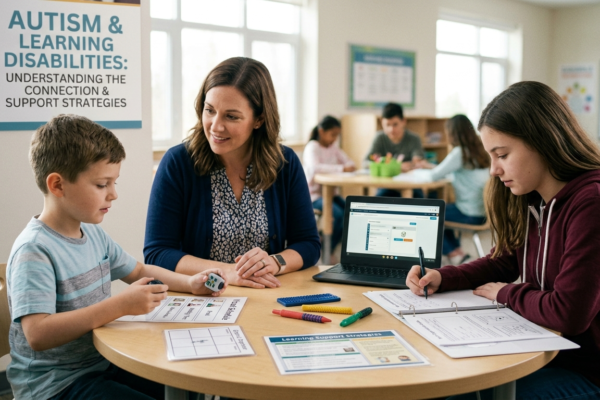
Autism Spectrum Disorder (ASD) and learning disabilities often intersect, creating unique challenges for children and adults navigating education and daily life. While not every person with autism has a learning disability—and vice versa—the overlap affects millions. In the U.S., about 1 in 36 children has ASD, and up to 40% of them also experience specific…

Read More

Autism Awareness in Schools: Building Inclusive Classrooms for Every Child

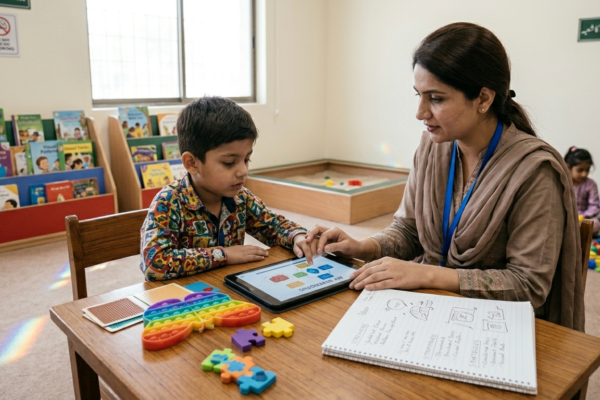
Autism Awareness in Schools isn’t just a buzzword—it’s a vital step toward creating environments where every student can thrive. With 1 in 36 children diagnosed with autism spectrum disorder (ASD) in the U.S. (according to the CDC’s latest data), educators, parents, and administrators must prioritize understanding and support. This article explores why autism awareness matters…

Read More