

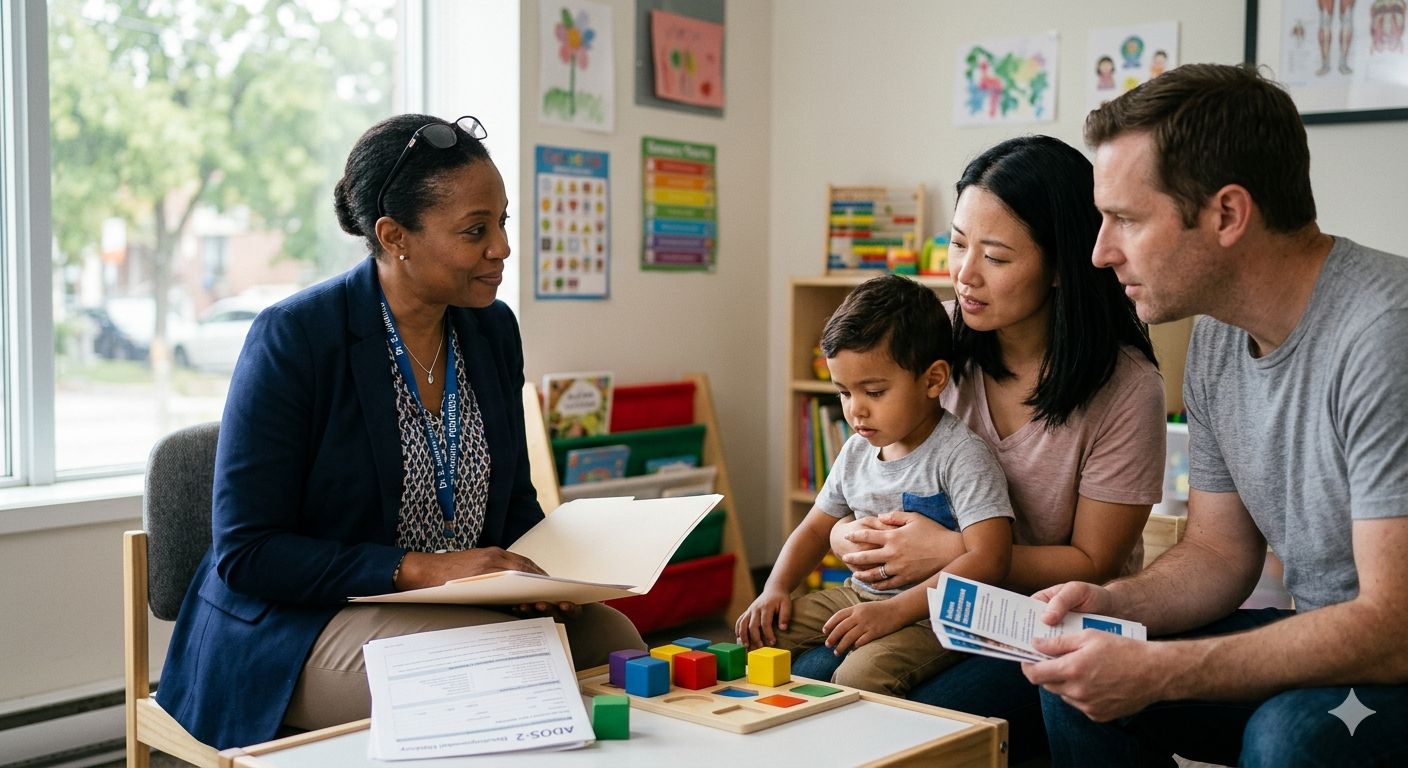
The Role of Parents in ABA Therapy Programs

Description; Applied Behavior Analysis (ABA) therapy is widely recognized as an effective approach for supporting children with developmental challenges, especially those with autism. While therapists and professionals play an important role in delivering ABA programs, parents are equally essential to a child’s progress. In fact, the involvement of parents often makes the difference between limited improvement and meaningful, long-term success.
This blog explores the important role parents play in ABA therapy programs and how their involvement can positively impact their child’s development.
Understanding ABA Therapy
ABA therapy focuses on improving specific behaviors such as communication, social interaction, learning skills, and daily living abilities. It uses evidence-based strategies to encourage positive behaviors and reduce behaviors that may interfere with learning.
ABA therapy is most effective when the strategies used during therapy sessions are also supported at home. This is where parents become a key part of the treatment process.
Why Parent Involvement Matters
Parents spend the most time with their children. Because of this, they have the greatest opportunity to reinforce the skills that children learn during therapy.
When parents actively participate in ABA therapy programs, children can practice new skills in different environments, which helps them learn faster and retain those skills longer. Parent involvement also helps create consistency between therapy sessions and everyday life.
Supporting Skill Development at Home
One of the most valuable roles parents play in ABA therapy is practicing skills with their child at home. Therapists often teach parents specific techniques that can be used in daily routines.
For example, parents may learn how to:
Encourage communication through simple prompts
Reinforce positive behavior with praise or rewards
Help their child practice social skills with family members
Support independence in daily activities such as dressing, eating, or cleaning up toys
When these strategies are used consistently at home, children get more opportunities to learn and improve.
Maintaining Consistency
Consistency is a core principle of ABA therapy. When children receive the same type of responses and reinforcement both in therapy sessions and at home, learning becomes clearer and more effective.
Parents help maintain this consistency by applying the strategies recommended by therapists. This ensures that children do not become confused by different expectations in different environments.
Communication with Therapists
Another important responsibility of parents is maintaining open communication with therapists. Parents can share valuable insights about their child’s behavior, routines, and progress outside therapy sessions.
Regular communication helps therapists adjust treatment plans to better meet the child’s needs. It also allows parents to ask questions, discuss challenges, and learn new strategies to support their child.
Building Confidence and Emotional Support
Beyond structured therapy techniques, parents provide emotional support that is essential for a child’s growth. Encouragement, patience, and understanding help children feel safe and motivated to try new skills.
Children often respond better to learning when they feel supported by their parents. Positive interactions at home strengthen confidence and reinforce the progress made during therapy sessions.
Learning and Growing Together
Parent training is an important part of many ABA therapy programs. Through training sessions, parents learn practical strategies to manage challenging behaviors and support their child’s development.
Over time, parents gain confidence in using ABA techniques and become strong partners in their child’s therapy journey.
Conclusion
Parents play a vital role in the success of ABA therapy programs. Their involvement helps reinforce learning, maintain consistency, and provide emotional encouragement that supports long-term progress.
When parents and therapists work together as a team, children have the best opportunity to develop important life skills and reach their full potential. Active participation, patience, and consistent support from parents can make a meaningful difference in a child’s growth and development.