
Trending Guide: Applied Behavior Science – What Parents and Professionals Should Know

Applied Behavior Science—often labeled as the “science behind behavior change”—has become a trending topic in education, therapy, and parenting circles. While it promises data‑driven strategies to shape skills and reduce problem behaviors, it also raises important ethical and practical questions for anyone considering it for a child or client.
What Is Applied Behavior Science?
Applied Behavior Science refers to the practical side of behavior‑analysis research: using principles such as reinforcement, prompting, and fading to increase useful behaviors (like communication, self‑care, or work skills) and decrease harmful or disruptive ones. In popular settings, this is often called Applied Behavior Analysis (ABA), especially when used with autism and developmental‑disability services.
Modern programs can cover areas far beyond autism, including organizational behavior management (OBM), aging‑care behavior support, and even telehealth‑based coaching.
Why Is It “Trending”?
Several factors are pushing Applied Behavior Science into the spotlight:
-
Increased demand for autism and developmental‑support services has made ABA‑based models a common referral choice in schools and clinics.
-
Technology integration—telehealth, digital data apps, and AI‑assisted intervention planning—is making behavior‑science methods faster and more scalable.
-
Employers and institutions are using behavioral principles to improve performance, safety, and workflow in workplaces and schools.
At the same time, parents and advocacy groups are paying more attention to how these techniques are delivered, especially when applied to children with autism.
Key Benefits: What It Can Do Well
When implemented ethically and skilfully, Applied Behavior Science can:
-
Improve communication and daily‑living skills in children and adults with autism and other developmental challenges.
-
Reduce dangerous or self‑injurious behaviors by replacing them with safer, more functional alternatives.
-
Support skill generalization—helping people use learned skills in different settings (home, school, work) rather than just in therapy sessions.
Proponents also emphasize its evidence‑based backbone, pointing to decades of research linking ABA‑aligned methods to measurable improvements in behavior and quality of life.
Common Criticisms and Concerns
Despite its popularity, Applied Behavior Science faces growing criticism, especially around autism treatment:
-
Coercion and “compliance pressure”: Some families and autistic adults report that older or rigid ABA programs forced “normal‑looking” behavior at the expense of identity, sensory comfort, and emotional wellbeing.
-
Over‑reliance on external rewards: Critics argue that heavy use of tokens, treats, or screen‑time can undermine intrinsic motivation or create dependency on constant reinforcement.
-
Medical‑model mindset: Certain models are accused of treating autistic traits as “problems to fix” rather than differences to accommodate, leading to trauma, anxiety, and mistrust in services.
These concerns have fueled a stronger push for neurodiversity‑affirming and trauma‑informed adaptations within behavior‑science practice.
How to Choose Services Responsibly
If you are considering Applied Behavior Science for a child or client, here are practical steps to protect their wellbeing:
-
Ask about philosophy and goals
-
Are the goals focused on safety, communication, and independence, or on making the child “indistinguishable” from peers?
-
Do therapists honor the child’s sensory needs, preferences, and emotional comfort?
-
-
Check for transparency and consent
-
Is data shared openly with caregivers, including definitions of target behaviors and how progress is measured?
-
Are adolescents and adults involved in consent and decision‑making, not just parents or providers?
-
-
Look for modern, flexible methods
-
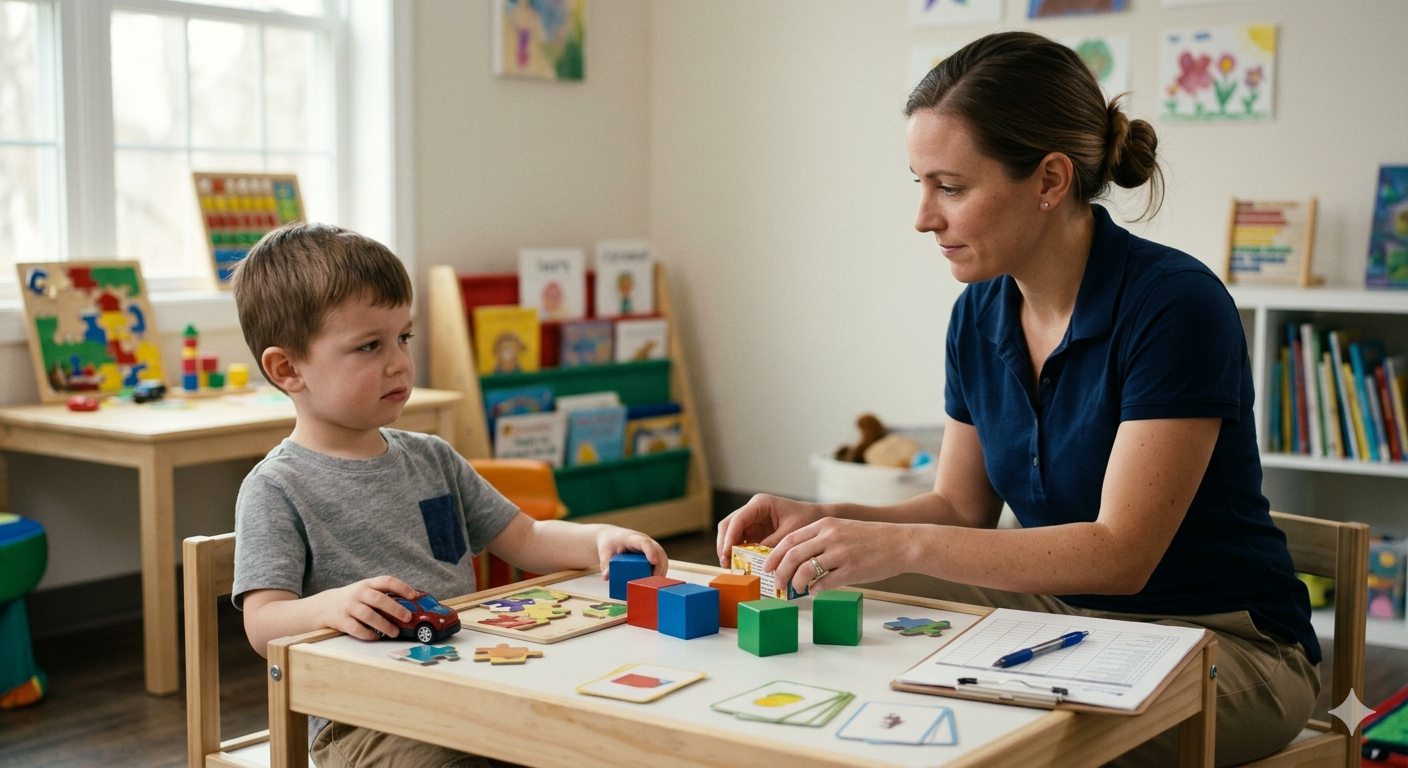
Do services use natural‑environment teaching, play‑based learning, and functional communication training instead of only table‑top drills?
-
Are they integrating telehealth options and digital tools thoughtfully, not just for convenience but to reduce stress and increase access?
-
-
Prioritize trauma‑informed and neurodiversity‑aware teams
-
Ask if clinicians are trained in trauma‑informed practice and familiar with neurodiversity‑affirming approaches.
-
When Applied Behavior Science Fits—and When It Doesn’t
Applied Behavior Science can be a powerful tool when:
-
The focus is on life‑saving risk reduction (self‑injury, severe aggression, or elopement).
-
It builds functional communication and independence (toileting, dressing, asking for help).
-
The environment is collaborative, consent‑based, and flexible, with regular review and adjustment of goals.
It becomes problematic when:
-
Programs aim to “mask” autistic traits instead of accommodating differences.
-
Techniques ignore the child’s voice, emotions, or sensory experience and rely on pressure or punishment.
-
Staff are undertrained, rushed, or focused more on “getting through” tasks than on relationship‑building.
Final Thoughts for Parents and Professionals
Applied Behavior Science is not inherently “good” or “bad”—it is a toolset whose impact depends on who uses it, how they use it, and whose needs are centered in the process. As a parent, educator, or clinician, your role is to ask critical questions, watch how the child responds emotionally, and insist on ethical, affirming, and evidence‑informed practice.