


Understanding Positive Reinforcement in ABA Therapy: A Guide for Parents
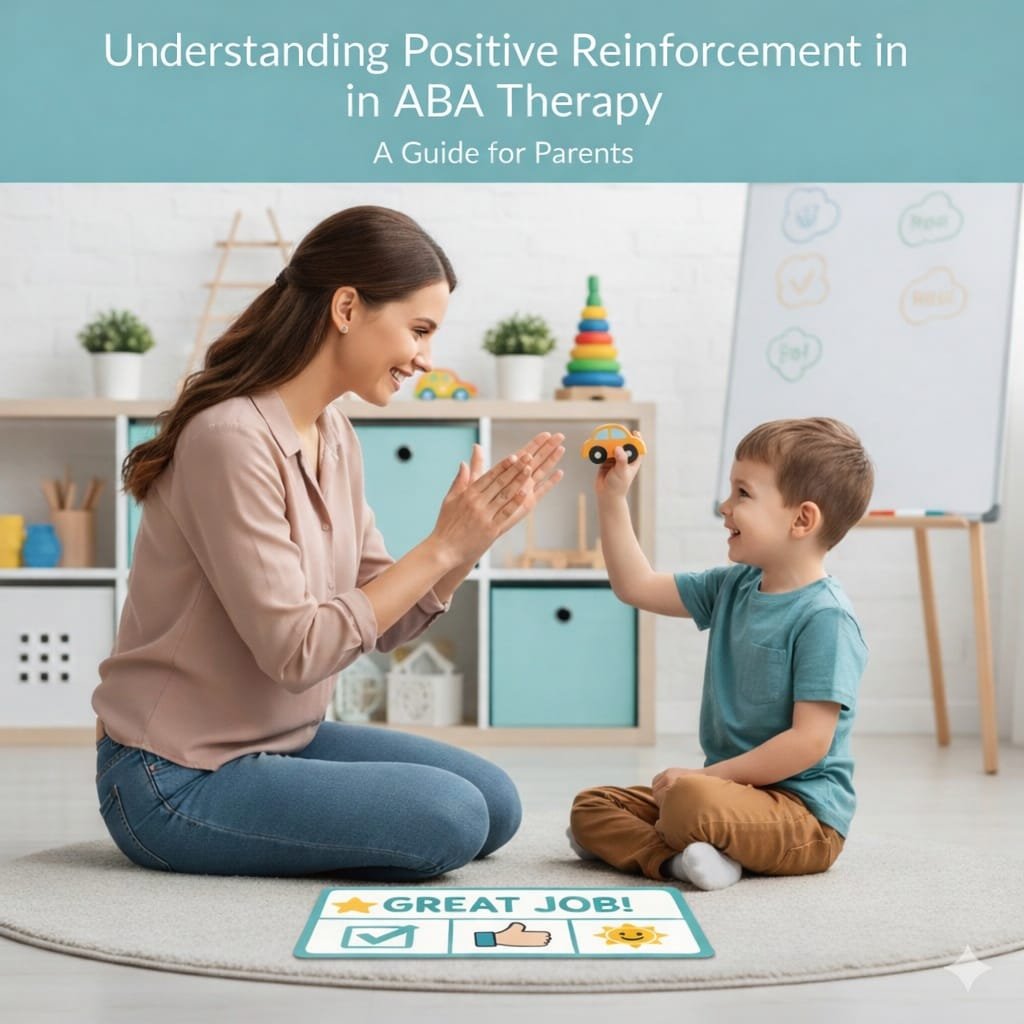
Description; As a parent, learning about therapies that support your child’s development can feel overwhelming. One of the most important concepts in Applied Behavior Analysis (ABA) therapy is positive reinforcement, a tool that can encourage desirable behaviors and help your child thrive. Understanding how it works can make a big difference in your child’s progress and your involvement in their therapy.
What is Positive Reinforcement?
Positive reinforcement is a strategy used in ABA therapy to increase the likelihood of a behavior happening again. It involves providing a reward immediately after your child displays a desired behavior. This reward can be anything that your child finds motivating—praise, toys, treats, extra playtime, or even access to a favorite activity.
For example:
If your child says “please” when asking for a snack, giving them a smile, hug, or verbal praise reinforces that polite behavior.
If your child completes a puzzle, allowing them a few minutes with their favorite toy encourages them to complete similar tasks in the future.
The key is timing—the reward should be given right after the behavior so the child understands what action earned it.
Why Positive Reinforcement is Important
Builds Motivation
Children are more likely to repeat behaviors that result in something enjoyable. Positive reinforcement helps create motivation naturally.
Encourages Learning
ABA therapy often teaches new skills—like communication, social interaction, and self-care. Reinforcing these behaviors makes learning feel rewarding and fun.
Promotes Confidence
When children see their efforts result in positive outcomes, it boosts their self-esteem and confidence. They learn that their actions matter.
Strengthens Parent-Child Bond
Using positive reinforcement at home can improve your relationship with your child. Praise, smiles, and rewards show encouragement and support.
How Parents Can Use Positive Reinforcement at Home
Identify Motivators: Notice what your child enjoys the most. It could be a favorite toy, a snack, or simply praise.
Start Small: Reinforce simple behaviors first, like putting away toys or following a simple instruction.
Be Consistent: Apply reinforcement consistently to help your child understand the connection between behavior and reward.
Gradually Reduce Rewards: Over time, you can shift from tangible rewards to natural rewards, like verbal praise, to encourage lasting behavior changes.
Common Mistakes to Avoid
Delaying the Reward: If you wait too long, the child may not connect the behavior to the reward.
Using the Same Reward Always: Variety keeps motivation high and prevents the reward from becoming less effective.
Overusing Reinforcement: Reinforcement should encourage learning, not spoil the child. Use it purposefully and strategically.
Final Thoughts
Positive reinforcement is a cornerstone of ABA therapy, and parents play a vital role in its success. By understanding and applying this strategy at home, you can help your child develop important skills, increase their independence, and celebrate every small achievement. Remember, consistent encouragement and patience are just as important as the rewards themselves.
Investing time in understanding positive reinforcement can empower you to be an active partner in your child’s therapy journey—and make learning a joyful experience for both of you.