

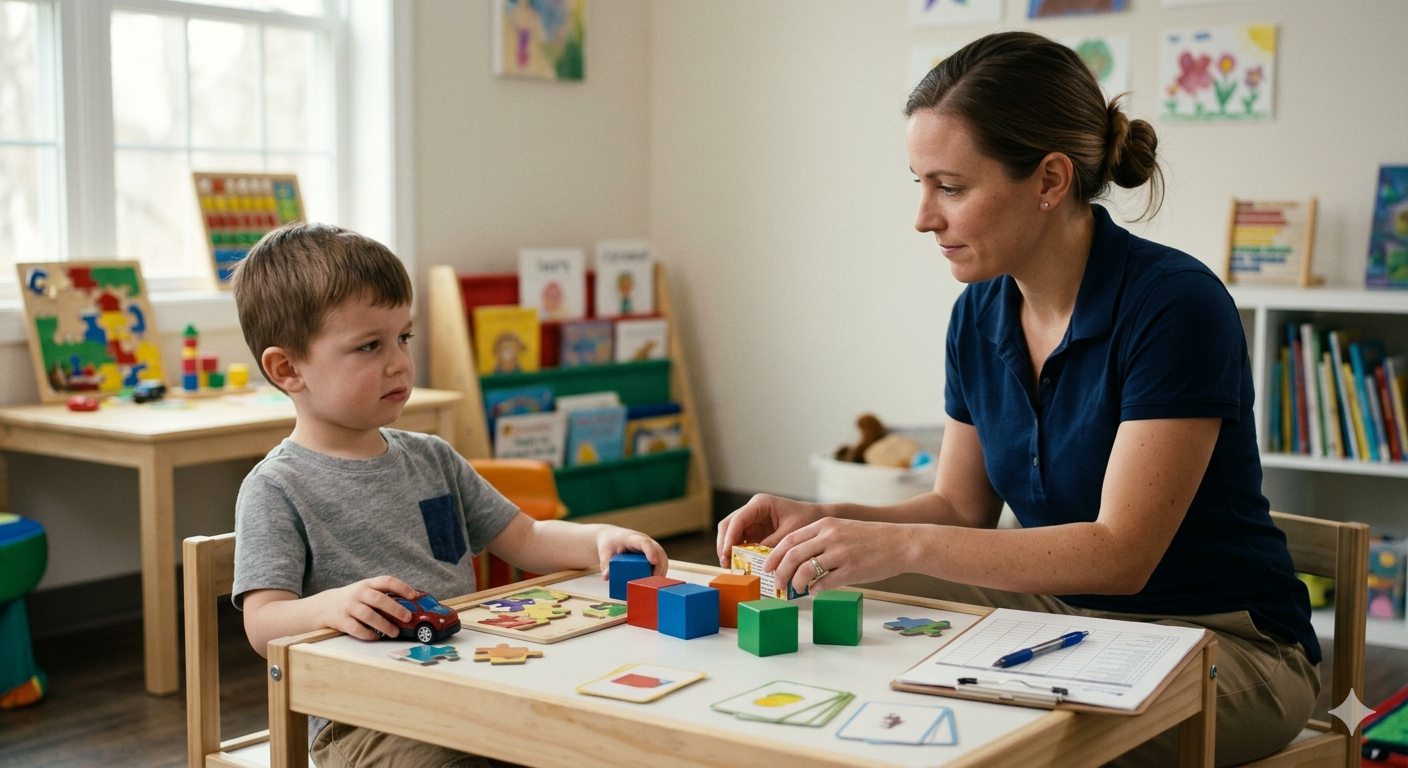
Unlocking Communication: Kids Speech Therapy Essentials
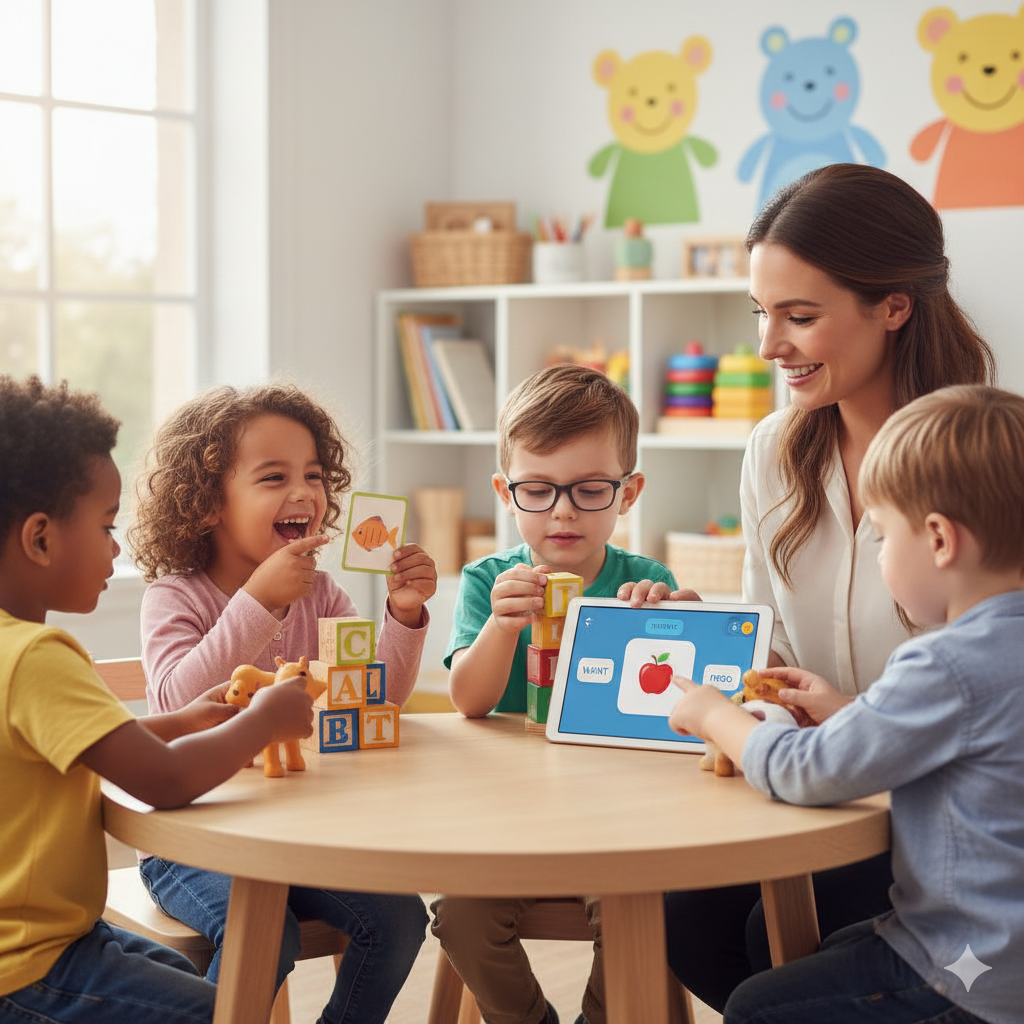
Speech therapy for children helps overcome delays in talking, pronunciation, and language skills through fun, targeted activities. Early intervention boosts confidence and social growth.
Why Kids Need Speech Therapy
Many children face speech challenges like lisps, stuttering, or trouble forming sentences. These issues often stem from developmental delays, hearing problems, or muscle coordination needs.
Therapy builds clear communication, aiding school success and friendships.
Parents notice improvements when starting early, around ages 2-5.
Core Techniques for Home Practice
Effective methods make sessions playful and repetitive.
-
Modeling Speech: Speak slowly and repeat target words, like “snake slithers slowly” for “S” sounds.
-
Articulation Drills: Practice isolated sounds, then words (e.g., “rrr” to “rabbit”).
-
Play-Based Learning: Use toys for phrases like “pour the juice” during pretend kitchen play.
-
Visual Aids: Flashcards link pictures to words, helping sound recognition.
These build skills naturally without pressure.
Tech Tools to Enhance Sessions
Apps and websites add variety while limiting screen time.
-
Articulation apps with matching games for sound practice.
-
Online word lists and worksheets for drill-free homework.
-
Virtual resources for “would you rather” conversations.
Balance with screen-free play to support overall growth.
Parental Strategies for Daily Wins
Incorporate therapy into routines seamlessly.
-
Sing songs with pauses, like “Old McDonald had a farm…” to prompt completion.
-
Use sound games: Identify “B” in “bat, cat, ball.”
-
Teach articles (“a,” “the”) with object pictures: “What’s this? A ball.”
Praise efforts to encourage persistence.
When to Seek Professional Help
Consult a speech-language pathologist (SLP) if your child isn’t using words by 18 months or struggles with sounds past age 4.
In America, local clinics offer tailored pediatric programs—combine with home exercises for best results.