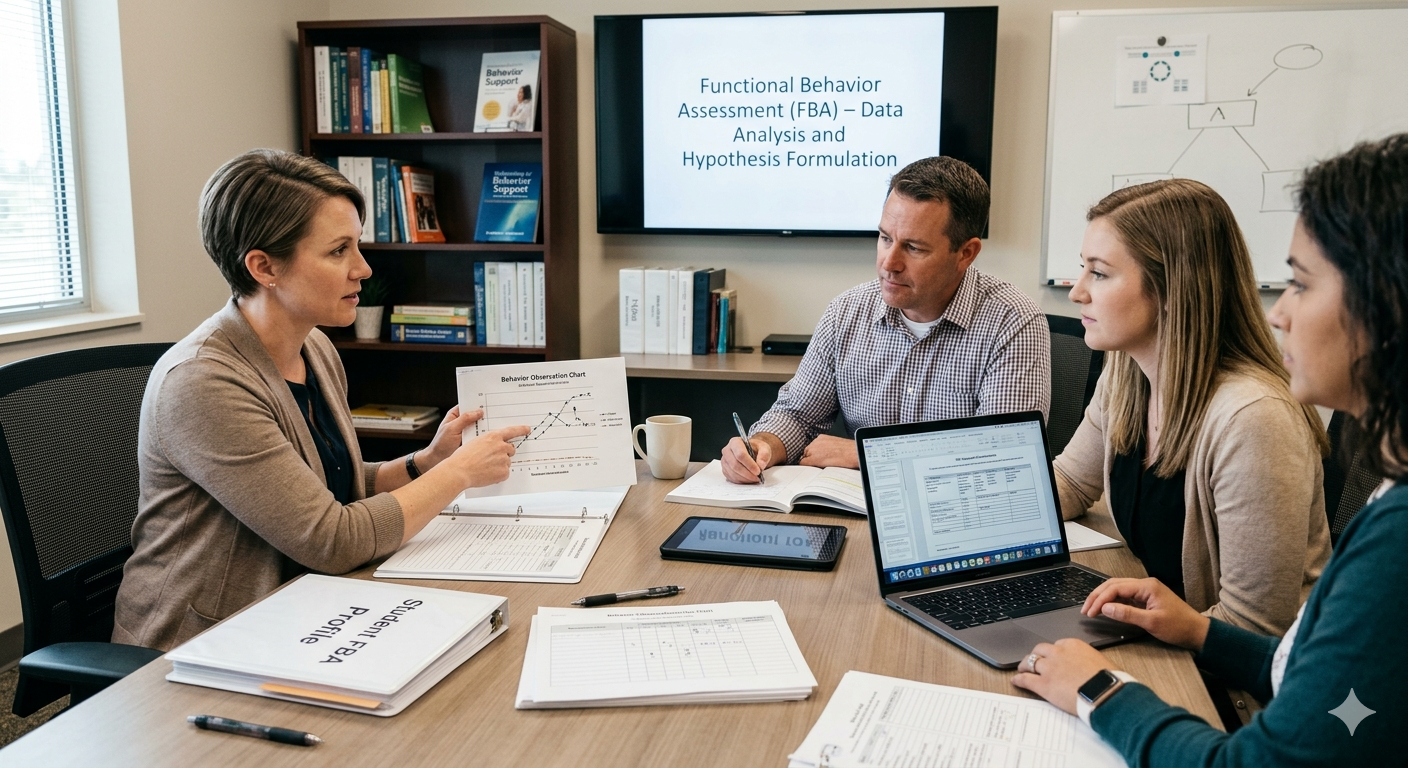


Viral Guide: Basics of Autism Therapy

Autism therapy focuses on supporting individuals with autism spectrum disorder (ASD) through evidence-based interventions tailored to their unique needs. This guide breaks down the essentials to help parents, caregivers, and educators get started.
Understanding Autism Therapy
Autism therapies aim to improve communication, social skills, behavior, and daily living abilities. Early intervention often yields the best outcomes, with approaches customized based on the child’s age, strengths, and challenges. Common categories include behavioral, developmental, and supportive therapies, all emphasizing positive reinforcement and skill-building.
Key Types of Therapies
-
Applied Behavior Analysis (ABA): The gold standard, using rewards to encourage desired behaviors like communication while reducing harmful ones; backed by extensive research.
-
Speech and Language Therapy: Builds verbal and non-verbal communication skills, including expressive labeling and social pragmatics.
-
Occupational Therapy (OT): Enhances fine motor skills, sensory processing, and self-care tasks like dressing or eating.
-
Social Skills Training: Teaches interaction through structured play and group activities.
-
Developmental Models (e.g., DIR/Floortime): Child-led sessions focusing on emotional connections and relationships.
Getting Started
Consult a specialist for assessment, then prioritize therapies matching your child’s needs—start with 10-20 hours weekly. Combine with family involvement for sustained progress. Track improvements and adjust as needed.
Why It Goes Viral
Parents share success stories of kids gaining independence through these basics, sparking hope and awareness. Early action transforms lives—share this guide!