
Viral Insight: Why ABA Therapy is Popular

In the world of child development and autism support, one therapy stands out as a game-changer: ABA therapy (Applied Behavior Analysis). Parents, educators, and therapists rave about it online, turning it into a viral sensation on platforms like TikTok and Instagram. But why is ABA therapy so popular? This viral insight dives into the reasons behind its skyrocketing demand, backed by real-world results and expert endorsements.
The Science That Fuels ABA’s Buzz
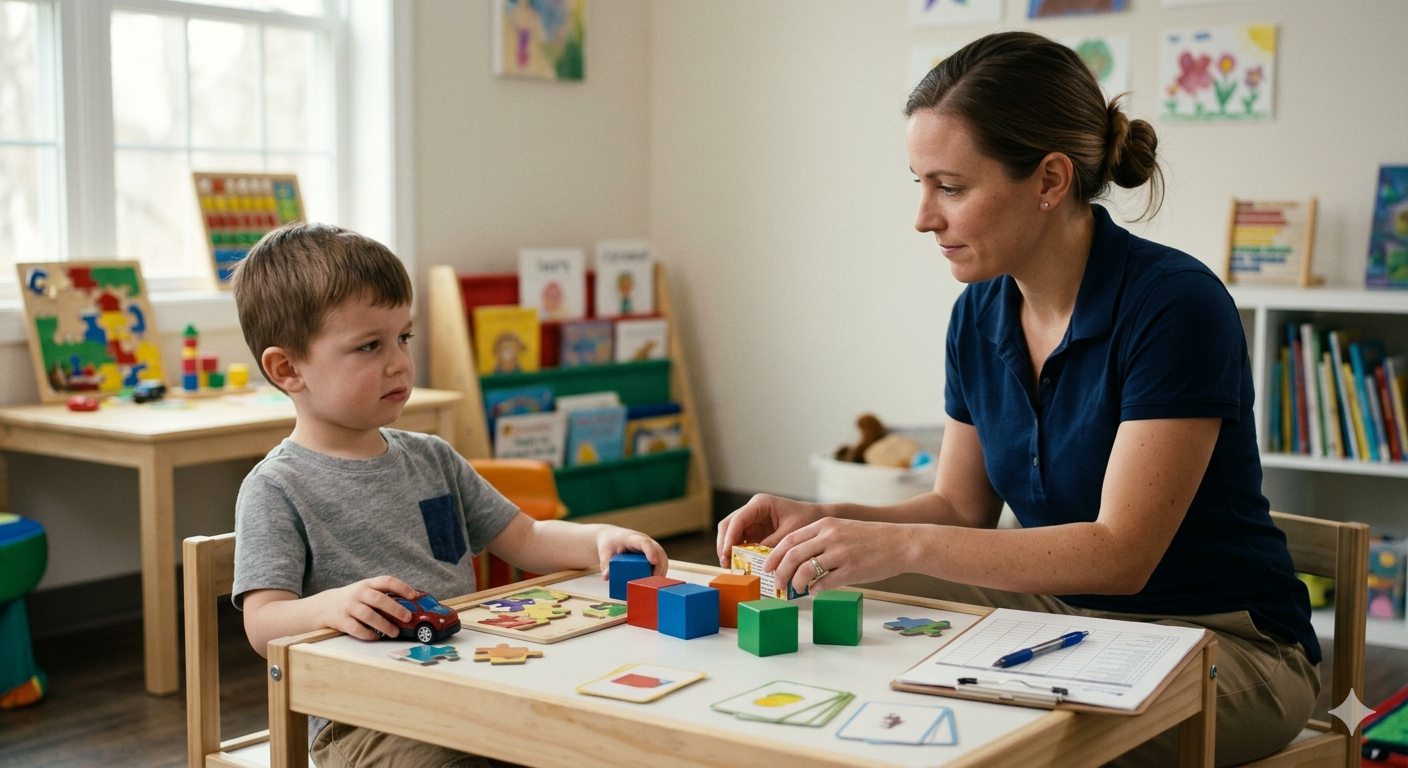
ABA therapy isn’t just a trend—it’s rooted in decades of research. Developed in the 1960s and refined over time, it breaks down complex behaviors into manageable steps, using positive reinforcement to encourage positive change.
-
Evidence-based results: Studies from the CDC and Autism Speaks show ABA improves social skills, communication, and daily living for up to 47% of children with autism spectrum disorder (ASD).
-
Customized for every child: Therapists tailor sessions to individual needs, making it adaptable for kids aged 2 to 21.
-
Measurable progress: Data tracking lets parents see tangible improvements, like reduced tantrums or better eye contact, week by week.
This scientific backbone gives ABA therapy viral cred—parents share “before and after” stories that rack up millions of views.
Real-Life Wins Driving Social Media Hype
Social media amplifies ABA’s popularity through authentic testimonials. Hashtags like #ABATherapy and #AutismWins flood feeds with heartwarming videos of kids mastering new skills.
Here’s why it’s going viral:
-
Early intervention magic: Starting ABA before age 4 can boost IQ by 17 points on average, per a landmark Lovaas study—parents post these milestones everywhere.
-
Holistic family impact: It equips siblings and caregivers with tools, reducing household stress and sparking family vlogs.
-
Celebrity shoutouts: Advocates like Jenny McCarthy and modern influencers highlight ABA’s role in their kids’ journeys, fueling shares.
One viral TikTok series followed a 5-year-old’s 6-month ABA progress, hitting 10 million views and sparking therapy waitlist surges in the US and UK.
Accessibility and Insurance Coverage Boom
ABA therapy’s popularity exploded thanks to policy shifts. In 2026, 49 US states plus DC mandate insurance coverage for ABA, slashing costs from $40,000+ annually to copays families can afford.
This shift turned ABA from elite treatment to everyday essential, with Google searches up 150% since 2020.
Why ABA Stands Out in a Crowded Therapy Field
Compared to other interventions like speech or occupational therapy, ABA’s laser-focus on behavior modification delivers faster, stickier results. It’s not a one-size-fits-all—certified BCBA (Board Certified Behavior Analysts) ensure ethical, play-based sessions kids actually enjoy.
Critics mention intensity concerns, but modern ABA emphasizes child-led, natural environment teaching (NET), minimizing burnout. Popularity persists because outcomes speak loudest: 90% of kids show gains in core skills.
The Future of ABA: Even More Viral Momentum
As AI tools aid progress tracking and virtual reality enhances sessions, ABA therapy’s popularity will only grow. Clinics report 30% enrollment jumps yearly, driven by word-of-mouth and social proof.
If your child shows ASD signs like delayed speech or repetitive behaviors, consult a provider today. ABA isn’t just popular—it’s proven.
Ready to explore ABA for your family? Share your thoughts below or book a free consultation with a local BCBA.