

Viral Topic: Understanding Behavior Patterns – Why They Shape Our Lives
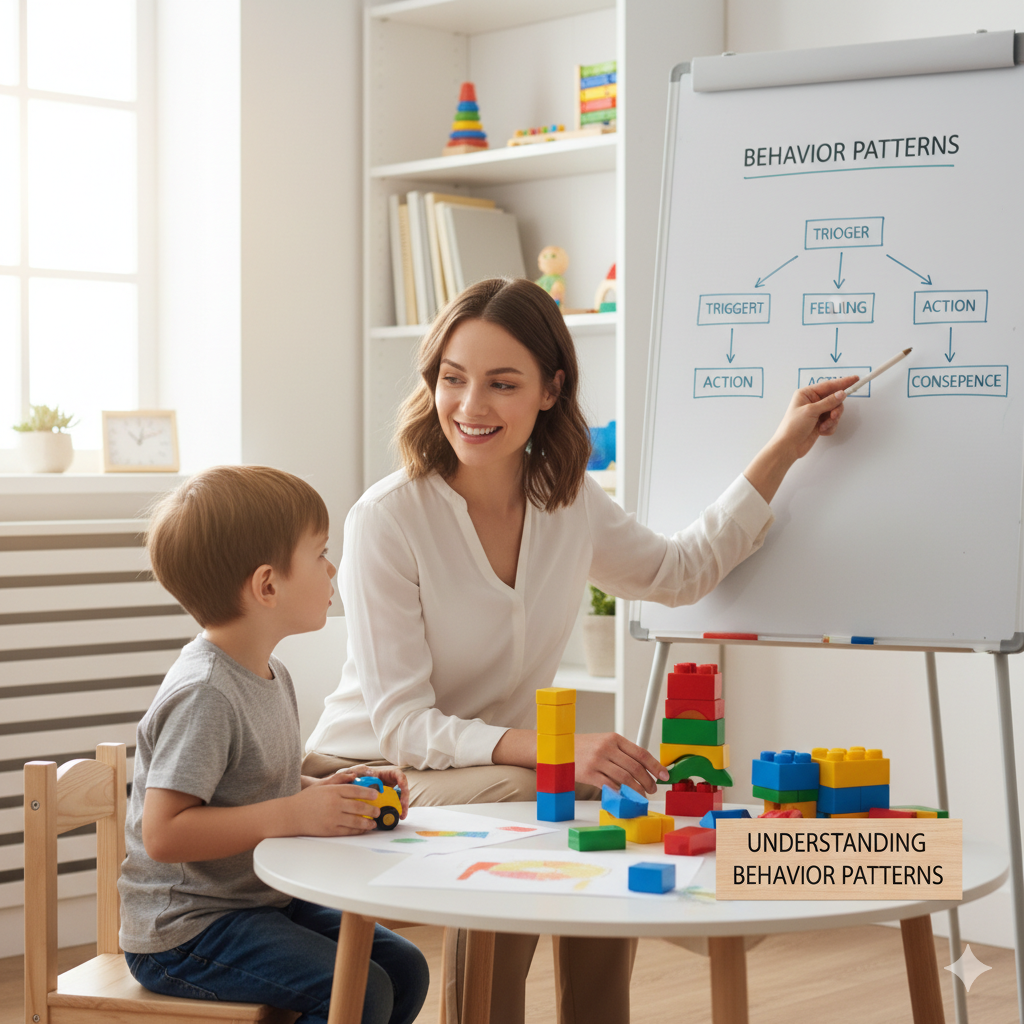
Behavior patterns are the invisible scripts that run in the background of our daily lives. They shape how we react under stress, how we communicate with others, and even how we make decisions—often without us realizing it. In an age where mental health, relationships, and digital habits are trending topics, understanding behavior patterns has become a viral lens for self‑improvement and personal growth.
What Are Behavior Patterns?
Behavior patterns are repeated actions, thoughts, or emotional responses that people show in similar situations. Over time, these patterns become automatic—almost like mental shortcuts—so we don’t stop to think before reacting, whether it’s snapping at a coworker, scrolling social media at midnight, or avoiding difficult conversations.
Psychologists categorize many behavior patterns as either habitual (daily routines), impulsive (acting without thinking), social (how we relate to others), or cognitive–emotional (thought–feeling loops behind anxiety, perfectionism, or procrastination). Recognizing a pattern is the first step before trying to change it.
Common Behavior Patterns People Notice
Across therapy and self‑help spaces, some patterns keep appearing as “viral” issues:
-
Avoidance patterns – pushing off hard tasks, tough conversations, or emotional processing.
-
Perfectionism and procrastination – delaying work out of fear of failure, then rushing last‑minute.
-
Passive‑aggressive behavior – indirect anger, sarcasm, or silent treatment instead of clear communication.
-
Self‑sabotage – repeatedly doing things that undermine goals (overeating after a diet, quitting opportunities).
-
Risky or impulsive behaviors – overspending, substance use, or reckless decisions that feel “normal” in the moment.
Spotting these patterns helps people ask: “Is this reaction helping me or only protecting me temporarily?”
Why Patterns Stick (And Why They Go Viral Online)
Behavior patterns stick because they usually come with a short‑term reward: relief, attention, control, or comfort. For example, scrolling endlessly can temporarily quiet anxiety, while people‑pleasing can keep conflict away—for a while.
In recent years, these dynamics have become “viral” content because they resonate across age groups and cultures:
-
Social media posts about perfectionism, burnout, and toxic relationships go viral because they mirror real‑life patterns.
-
Self‑help creators and therapists use tools like the ABC model (Antecedents–Behaviors–Consequences) to explain why people keep repeating the same cycle.
Understanding patterns gives people a language to name their struggles and a roadmap to start changing them.
How to Start Understanding Your Own Patterns
If “understanding behavior patterns” is your viral topic, you can frame it as a practical, non‑judgmental self‑check. Encourage readers to:
-
Observe before judging
-
Notice what you do when stressed, lonely, or excited (e.g., eating, scrolling, lashing out, withdrawing).
-
Write down a few situations and your typical reactions for a few days.
-
-
Uncover the ABCs (Antecedent–Behavior–Consequence)
-
Antecedent: What triggers it? (A comment, a deadline, a notification.)
-
Behavior: What do you actually do? (Shout, disappear, overwork, binge‑watch.)
-
Consequence: What short‑term reward or relief do you get? What long‑term cost follows?
-
-
Name the pattern clearly
-
Instead of “I’m weak,” say, “I’m stuck in a procrastination–avoidance pattern before big tasks.”
-
That shift makes it feel like a learnable habit, not a fixed flaw.
-
-
Swap one small piece
-
Replace a single step (e.g., 10 minutes of walking instead of opening TikTok when stressed).
-
Small swaps break the automatic loop over time.
-
When to Seek Professional Help
Not every pattern can be fixed with a viral post or a quick fix. Repeating patterns linked to trauma, addiction, severe anxiety, or depression often need structured support. Therapists and counselors can help people:
-
Map out deeper emotional and cognitive triggers.
-
Build healthier coping strategies and communication skills.
Turning “Understanding Behavior Patterns” into a Viral‑Friendly Article Hook
For your website, you can position this piece as a beginner‑friendly guide that blends psychology basics with viral relatability:
-
Use relatable titles like:
-
“Why You Keep Falling Into the Same Patterns (And How to Stop)”
-
“The Hidden Behavior Patterns Behind Your Anxiety, Procrastination, and Overthinking”
-
-
Add sections like:
-
“Spot Your Top 3 Patterns in 5 Minutes.”
-
“ABC in Action: A Real‑Life Example.”
-
“Simple Swaps to Break 3 Common Viral Patterns.”
-
This framing keeps the keyword “Understanding Behavior Patterns” central while making it feel fresh, shareable, and actionable for your audience.