

What is ABA Therapy and How Does It Help Children with Autism? Description; Autism Spectrum Disorder (ASD) affects how a child communicates, behaves, and interacts with others. Many parents search for effective ways to support their children in developing important life skills. One of the most widely used and research-based approaches is Applied Behavior Analysis, commonly known as ABA Therapy. Understanding what ABA therapy is and how it helps children with autism can guide parents in making informed decisions for their child’s development. Understanding ABA Therapy Applied Behavior Analysis (ABA) is a scientific approach that focuses on understanding and improving behavior. It is based on the idea that behaviors can be learned and strengthened through positive reinforcement. In simple terms, ABA therapy teaches children helpful skills by rewarding positive behaviors and gently guiding them away from behaviors that may interfere with learning or daily life. ABA therapy is not a single technique but a set of strategies used to teach communication, social, academic, and daily living skills. Therapists observe a child’s behavior, identify patterns, and create personalized programs to help the child learn new abilities step by step. How ABA Therapy Works ABA therapy usually begins with a detailed assessment conducted by trained professionals. They evaluate the child’s strengths, challenges, and developmental needs. Based on this evaluation, an individualized therapy plan is created. During therapy sessions, therapists break complex skills into smaller, manageable steps. Each step is practiced repeatedly with encouragement and rewards such as praise, playtime, or favorite activities. Over time, the child learns to perform these skills independently. For example, if a child struggles with communication, the therapist may start by teaching simple gestures or words to express needs. Gradually, the child learns to form sentences, ask questions, and engage in conversations. Key Skills Children Learn Through ABA ABA therapy focuses on teaching practical skills that help children become more independent and confident. These skills may include: Communication Skills: Children learn how to express their needs, understand language, and engage in conversations. Social Interaction: ABA helps children learn how to interact with others, make friends, take turns, and understand social cues. Daily Living Skills: Therapists teach routines such as dressing, brushing teeth, eating independently, and following instructions. Behavior Management: ABA helps reduce behaviors that may interfere with learning, such as aggression, tantrums, or self-injury, by teaching healthier ways to respond. Learning and Focus: Children are taught how to pay attention, follow instructions, and complete tasks, which supports success in school. Benefits of ABA Therapy for Children with Autism ABA therapy has been used for decades and is supported by extensive research. Many children who receive consistent ABA therapy show improvements in communication, learning, and social behavior. Some of the major benefits include improved language development, better social relationships, increased independence, and stronger problem-solving skills. ABA therapy also helps children adapt to different environments, including home, school, and community settings. The Role of Parents in ABA Therapy Parents play an important role in the success of ABA therapy. Therapists often work closely with families to teach strategies that can be used at home. When parents apply these techniques consistently in daily routines, children can learn faster and maintain their new skills. Simple actions such as praising positive behavior, practicing communication skills, and maintaining structured routines can greatly support the therapy process. Final Thoughts ABA therapy is a structured and evidence-based approach designed to help children with autism build essential life skills. Through personalized programs, positive reinforcement, and consistent practice, many children develop stronger communication abilities, better social interactions, and greater independence.

Description; Autism Spectrum Disorder (ASD) affects how a child communicates, behaves, and interacts with others. Many parents search for effective ways to support their children in developing important life skills. One of the most widely used and research-based approaches is Applied Behavior Analysis, commonly known as ABA Therapy. Understanding what ABA therapy is and how it helps children with autism can guide parents in making informed decisions for their child’s development.
Understanding ABA Therapy
Applied Behavior Analysis (ABA) is a scientific approach that focuses on understanding and improving behavior. It is based on the idea that behaviors can be learned and strengthened through positive reinforcement. In simple terms, ABA therapy teaches children helpful skills by rewarding positive behaviors and gently guiding them away from behaviors that may interfere with learning or daily life.
ABA therapy is not a single technique but a set of strategies used to teach communication, social, academic, and daily living skills. Therapists observe a child’s behavior, identify patterns, and create personalized programs to help the child learn new abilities step by step.
How ABA Therapy Works
ABA therapy usually begins with a detailed assessment conducted by trained professionals. They evaluate the child’s strengths, challenges, and developmental needs. Based on this evaluation, an individualized therapy plan is created.
During therapy sessions, therapists break complex skills into smaller, manageable steps. Each step is practiced repeatedly with encouragement and rewards such as praise, playtime, or favorite activities. Over time, the child learns to perform these skills independently.
For example, if a child struggles with communication, the therapist may start by teaching simple gestures or words to express needs. Gradually, the child learns to form sentences, ask questions, and engage in conversations.
Key Skills Children Learn Through ABA
ABA therapy focuses on teaching practical skills that help children become more independent and confident. These skills may include:
Communication Skills:
Children learn how to express their needs, understand language, and engage in conversations.
Social Interaction:
ABA helps children learn how to interact with others, make friends, take turns, and understand social cues.
Daily Living Skills:
Therapists teach routines such as dressing, brushing teeth, eating independently, and following instructions.
Behavior Management:
ABA helps reduce behaviors that may interfere with learning, such as aggression, tantrums, or self-injury, by teaching healthier ways to respond.
Learning and Focus:
Children are taught how to pay attention, follow instructions, and complete tasks, which supports success in school.
Benefits of ABA Therapy for Children with Autism
ABA therapy has been used for decades and is supported by extensive research. Many children who receive consistent ABA therapy show improvements in communication, learning, and social behavior.
Some of the major benefits include improved language development, better social relationships, increased independence, and stronger problem-solving skills. ABA therapy also helps children adapt to different environments, including home, school, and community settings.
The Role of Parents in ABA Therapy
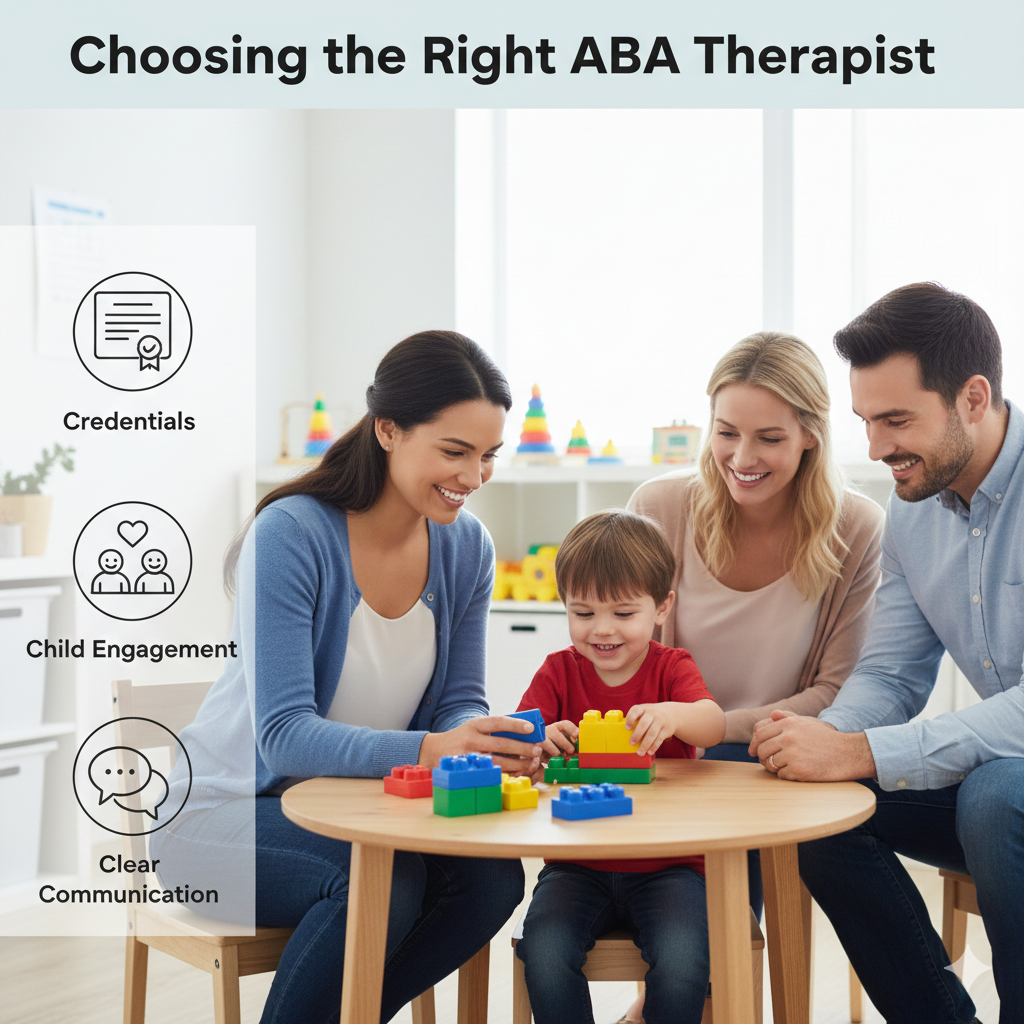
Parents play an important role in the success of ABA therapy. Therapists often work closely with families to teach strategies that can be used at home. When parents apply these techniques consistently in daily routines, children can learn faster and maintain their new skills.
Simple actions such as praising positive behavior, practicing communication skills, and maintaining structured routines can greatly support the therapy process.
Final Thoughts
ABA therapy is a structured and evidence-based approach designed to help children with autism build essential life skills. Through personalized programs, positive reinforcement, and consistent practice, many children develop stronger communication abilities, better social interactions, and greater independence.
For parents, learning about ABA therapy can be the first step toward providing the support their child needs to grow, learn, and succeed in everyday life.