


What Is Occupational Therapy? A Guide to Enhancing Daily Life
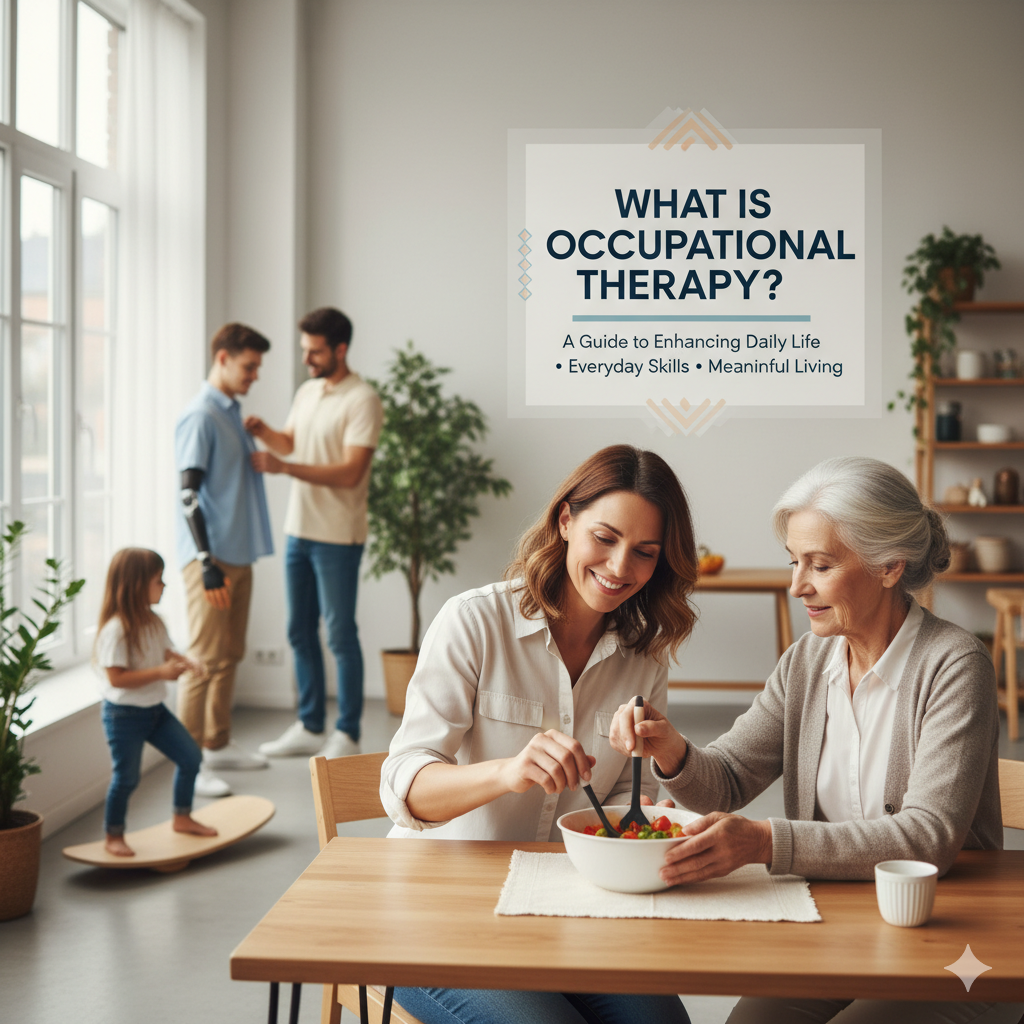
Occupational therapy is a vital healthcare profession that helps people of all ages live more independent, fulfilling lives. If you’ve ever struggled with everyday tasks due to injury, illness, or disability, occupational therapy (often called OT) offers practical solutions. Unlike physical therapy, which focuses mainly on movement and strength, OT targets the “occupations” that make up your daily routine—like dressing, cooking, working, or playing.
In essence, occupational therapists (OTs) act as life coaches for functionality. They assess your unique challenges and create personalized strategies to overcome them. Whether recovering from a stroke or managing chronic pain, OT empowers you to regain control.
The Role of Occupational Therapists
Occupational therapists are highly trained professionals, typically holding a master’s or doctoral degree and certified by recognized bodies. They work in diverse settings: hospitals, schools, rehab centers, workplaces, and even homes.
What sets OT apart? It’s holistic. Therapists consider your physical abilities, mental health, environment, and social factors. For instance, an OT might teach a child with autism how to tie shoelaces using fun, sensory-friendly tools, or help an elderly person adapt their kitchen to prevent falls.
Common Conditions Treated by Occupational Therapy
Occupational therapy addresses a wide range of issues. Here’s a quick overview:
-
Neurological conditions: Stroke, multiple sclerosis, Parkinson’s—OT rebuilds skills like handwriting or buttoning shirts.
-
Mental health challenges: Anxiety, depression, PTSD—therapists use activities to build coping mechanisms and routines.
-
Pediatric needs: Developmental delays, ADHD, sensory processing disorders—focusing on school readiness and play.
-
Orthopedic injuries: Fractures, arthritis—improving grip strength for tasks like gardening.
-
Aging and geriatrics: Dementia, hip replacements—promoting safety and independence at home.
One example: After a car accident, a patient might use OT to relearn driving through simulated exercises, gradually building confidence.
How Occupational Therapy Works: A Step-by-Step Process
Sessions are tailored, but they generally follow these phases:
-
Evaluation: The OT observes you performing daily tasks and gathers input on your goals.
-
Goal-Setting: Together, you define realistic targets, like “cook a meal independently in 4 weeks.”
-
Intervention: Hands-on activities, adaptive equipment (e.g., ergonomic tools), or environmental changes.
-
Progress Monitoring: Regular check-ins adjust the plan as you improve.
-
Discharge Planning: Transition to home with ongoing tips for maintenance.
Therapy might last weeks to months, often 1-2 sessions weekly. Many insurance plans cover it, especially post-hospitalization.
Benefits of Occupational Therapy
Research backs OT’s impact. Studies show it reduces hospital readmissions by up to 30% for stroke patients and boosts quality of life for kids with disabilities. Key perks include:
-
Improved independence: Master self-care without relying on others.
-
Pain management: Techniques like splinting ease chronic discomfort.
-
Enhanced productivity: Return to work or hobbies faster.
-
Preventive care: Early intervention stops small issues from worsening.
Imagine a musician with hand tremors—OT could restore their ability to play guitar through targeted exercises, reigniting passion and purpose.
Getting Started with Occupational Therapy
Ready to explore? Consult your doctor for a referral. Search for certified OTs via professional directories or local clinics. Initial assessments are often low-cost or free in public facilities.
Occupational therapy isn’t just treatment—it’s a pathway to reclaiming your life’s occupations. Whether overcoming barriers or preventing them, OT proves that small adaptations lead to big victories.
Last updated: March 2026. Consult a healthcare professional for personalized advice.