
“What Is Special Education?
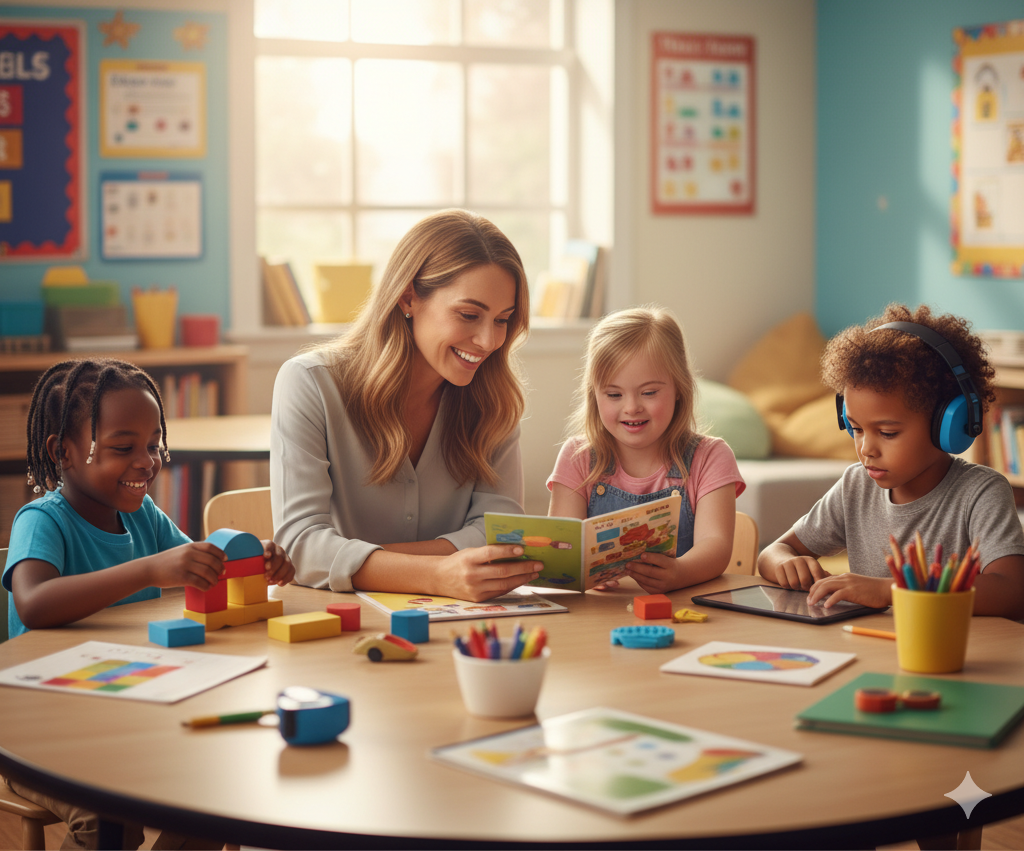
Special education provides tailored instruction and services for students with unique learning needs, often due to disabilities. It ensures these students receive free, appropriate education to help them succeed alongside peers.
Core Definition
Special education refers to specially designed instruction that addresses the individual needs of children with disabilities, as defined under laws like the Individuals with Disabilities Education Act (IDEA). This includes adapting teaching methods, materials, and environments to support physical, emotional, behavioral, or cognitive challenges.
It differs from general education by focusing on personalized plans, such as an Individualized Education Program (IEP), which outlines specific goals and supports.
Who Qualifies?
Students qualify for special education if they have conditions like learning disabilities (e.g., dyslexia), autism spectrum disorder, intellectual disabilities, speech impairments, physical disabilities, or emotional disturbances. Eligibility involves evaluation to confirm the disability impacts their education.
Gifted students with advanced needs may also receive services, though the focus is primarily on disabilities.
Key Components
-
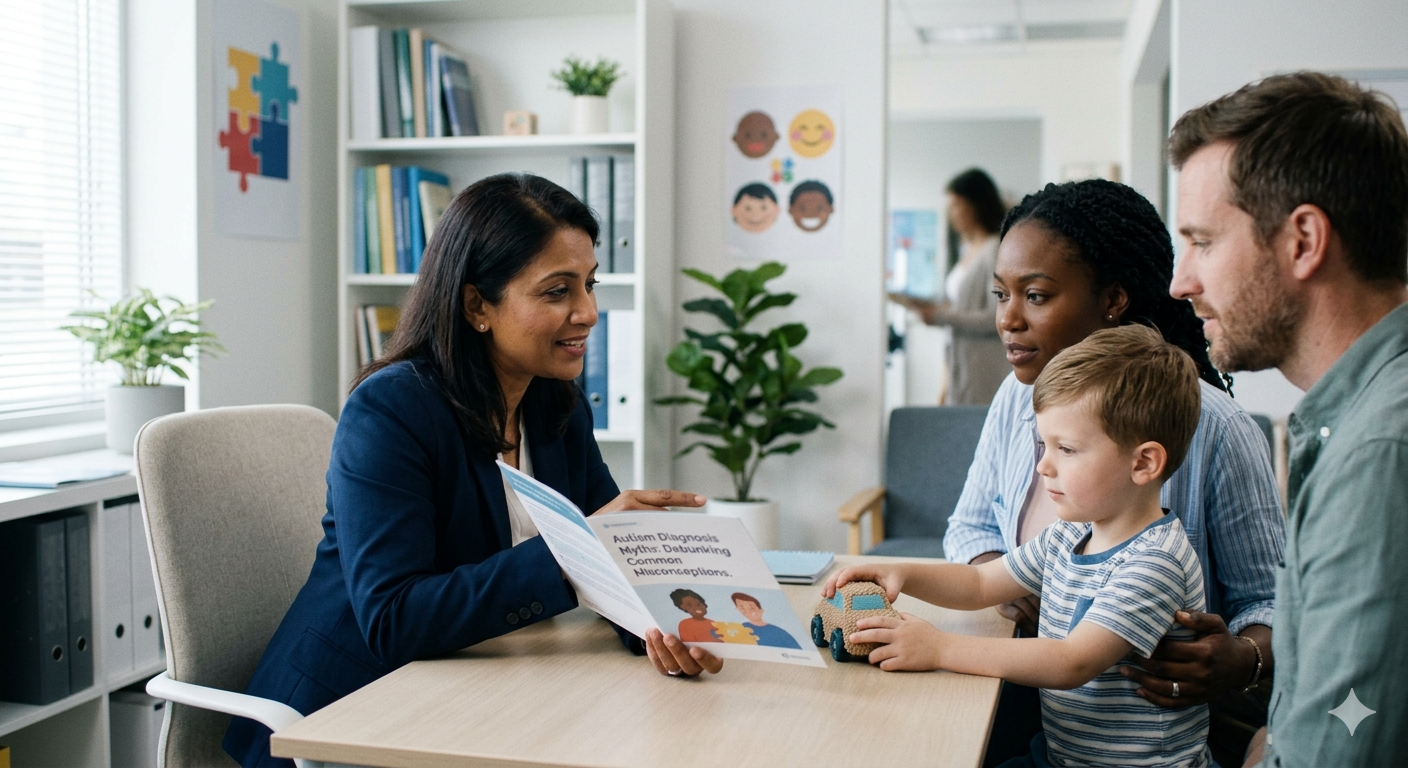
Individualized Education Program (IEP): A legal document created by a team including parents, teachers, and specialists, detailing goals, services, and progress monitoring.
-
Related Services: Supports like speech therapy, occupational therapy, counseling, or transportation to enable learning.
-
Least Restrictive Environment (LRE): Students learn in settings as close as possible to general classrooms, with pull-out support when needed.
Delivery Settings
Special education occurs in varied environments:
-
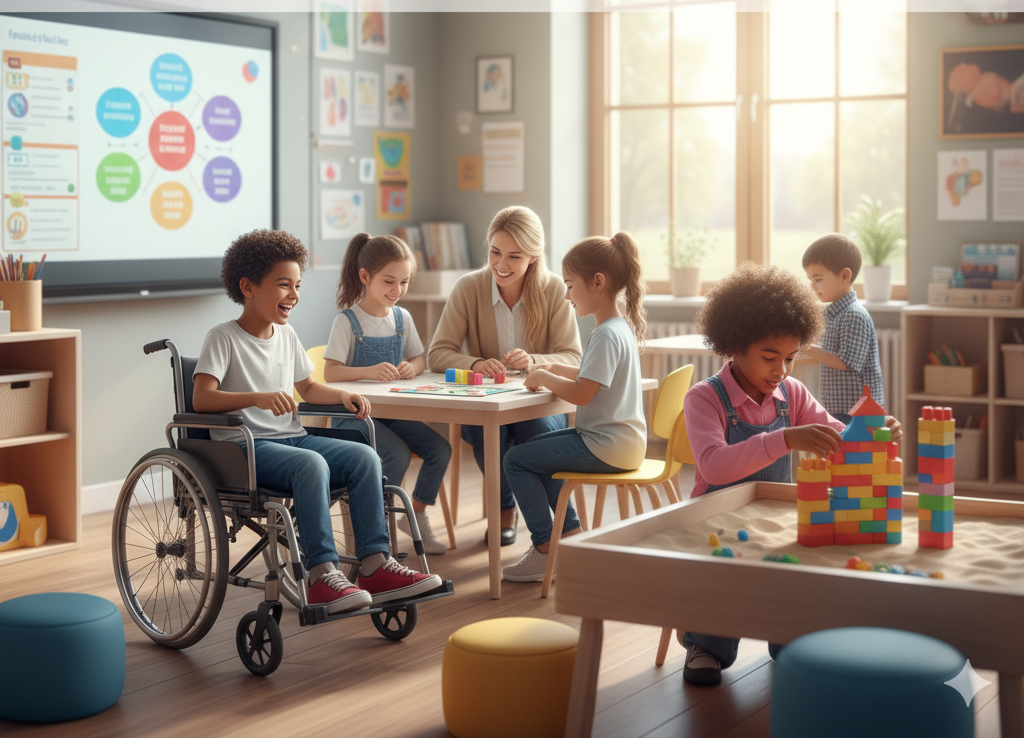
General classrooms with accommodations.
-
Resource rooms for targeted help.
-
Separate classes, home, hospitals, or specialized schools.
Philosophy and Goals
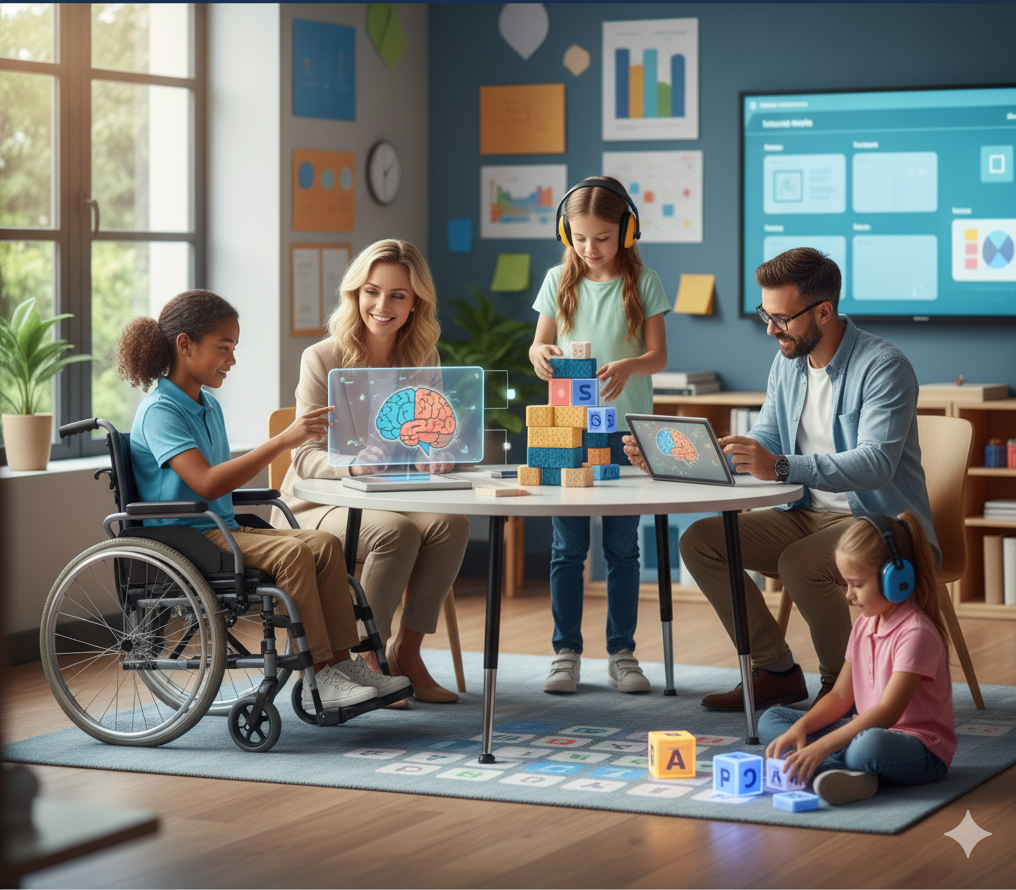
The core philosophy is that every child can learn and deserves equal access to education, regardless of disability. It promotes self-sufficiency, academic success, and community integration through accommodations like assistive technology or modified curricula.
Early intervention maximizes outcomes, helping students build confidence and independence.
Benefits for Students
Special education fosters personalized learning that matches a student’s strengths and styles, leading to better academic performance and social skills. It bridges gaps that standard teaching overlooks, empowering long-term success.