

What Is Speech Therapy? A Complete Guide

Speech therapy is a specialized field focused on evaluating and treating communication disorders. It plays a vital role in helping people of all ages overcome challenges with speech, language, voice, fluency, and swallowing.
Core Components
Speech therapy encompasses several key areas beyond basic speaking. Articulation therapy corrects sound production errors, like lisps or substituting “w” for “r,” through repetitive exercises and visual cues.
Language intervention builds vocabulary, grammar, comprehension, and expression—essential for children with delays or adults recovering from aphasia post-stroke.
Voice therapy addresses pitch, volume, and resonance issues, often using techniques like resonant voice training to reduce strain.
Fluency shaping tackles stuttering via controlled breathing, easy onset of speech, and desensitization to speaking fears.
Swallowing therapy (dysphagia management) involves exercises to strengthen oral muscles and ensure safe food passage.
Cognitive-communication therapy targets memory, attention, and problem-solving affected by traumatic brain injury or dementia.
Who Needs It
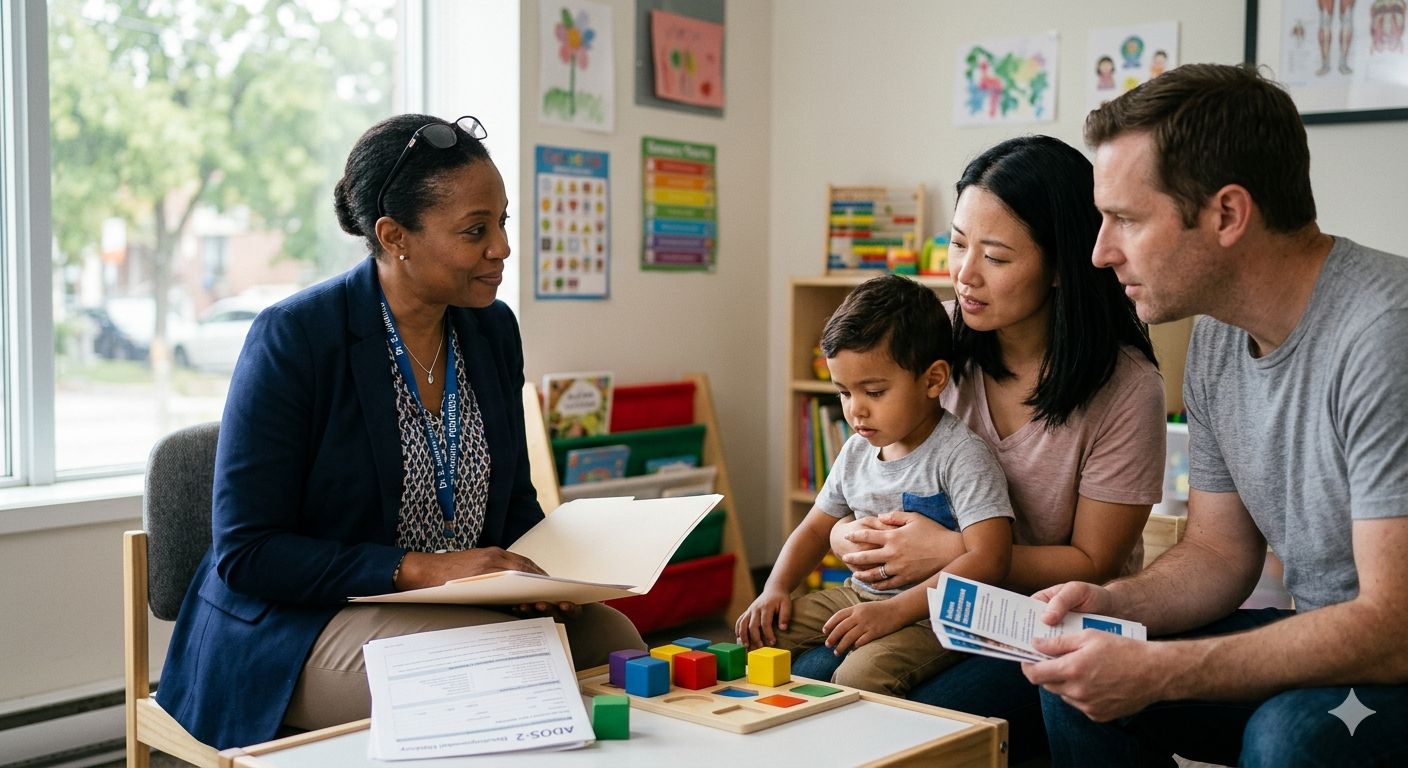
Children commonly receive therapy for developmental delays, autism spectrum disorder, hearing impairments, or cleft palate effects—often identified when speech lags milestones like not babbling by 6 months.
Adults seek it after strokes, Parkinson’s, head injuries, or laryngeal cancer, where sudden losses in clarity or comprehension occur.
Detailed Treatment Process
Initial assessment includes standardized tests, parent/teacher interviews, and oral-motor exams to pinpoint issues. SLPs then craft individualized education program (IEP) goals, tracked via progress notes.
Sessions (30-60 minutes, 1-5 times weekly) use evidence-based methods:
-
Oral-motor exercises (tongue strengthening, lip pursing).
-
Augmentative communication tools like picture boards or apps for non-verbal individuals.
-
Play therapy for kids (e.g., games mimicking sounds).
-
Functional tasks for adults (practicing phone calls or menus).
Homework reinforces skills, with family training for carryover. Duration varies: 6-12 months for mild cases, lifelong management for severe ones.
Evidence and Outcomes
Research shows 70-90% improvement in articulation post-therapy, with early intervention (before age 3) preventing long-term academic struggles.
It boosts quality of life by enhancing social skills, employment prospects, and independence. Insurance often covers it under early intervention or rehab services.