
Why Behavior Matters: The Hidden Key to Personal and Family Success

In a world obsessed with achievements and milestones, one question often gets overlooked: why behavior matters. From a toddler’s tantrums to an adult’s daily habits, behavior shapes our relationships, health, and happiness. It’s not just about “acting right”—it’s the foundation of thriving in therapy, school, work, and life. Whether you’re a parent navigating challenges or a professional in behavioral therapy, understanding this can unlock real change.
The Science Behind Behavior: It’s Not Random
Behavior isn’t accidental; it’s wired into our brains and environment. Neuroscientists explain it through operant conditioning, pioneered by B.F. Skinner, where actions are reinforced by rewards or consequences. Positive behaviors stick when praised; negative ones fade without attention.
-
Brain chemistry plays a role: Dopamine surges reward good choices, like completing a task, building neural pathways for repetition.
-
Environmental triggers matter: A cluttered room might spark frustration in kids with ADHD, while calm spaces encourage focus.
-
Early patterns predict outcomes: Studies from the CDC show that strong behavioral foundations in childhood reduce risks of anxiety, depression, and even substance abuse later.
Ignoring why behavior matters means missing these levers. In therapies like ABA (Applied Behavior Analysis), therapists target specific behaviors to foster independence—proving science delivers results.
Why Behavior Matters in Child Development and Therapy
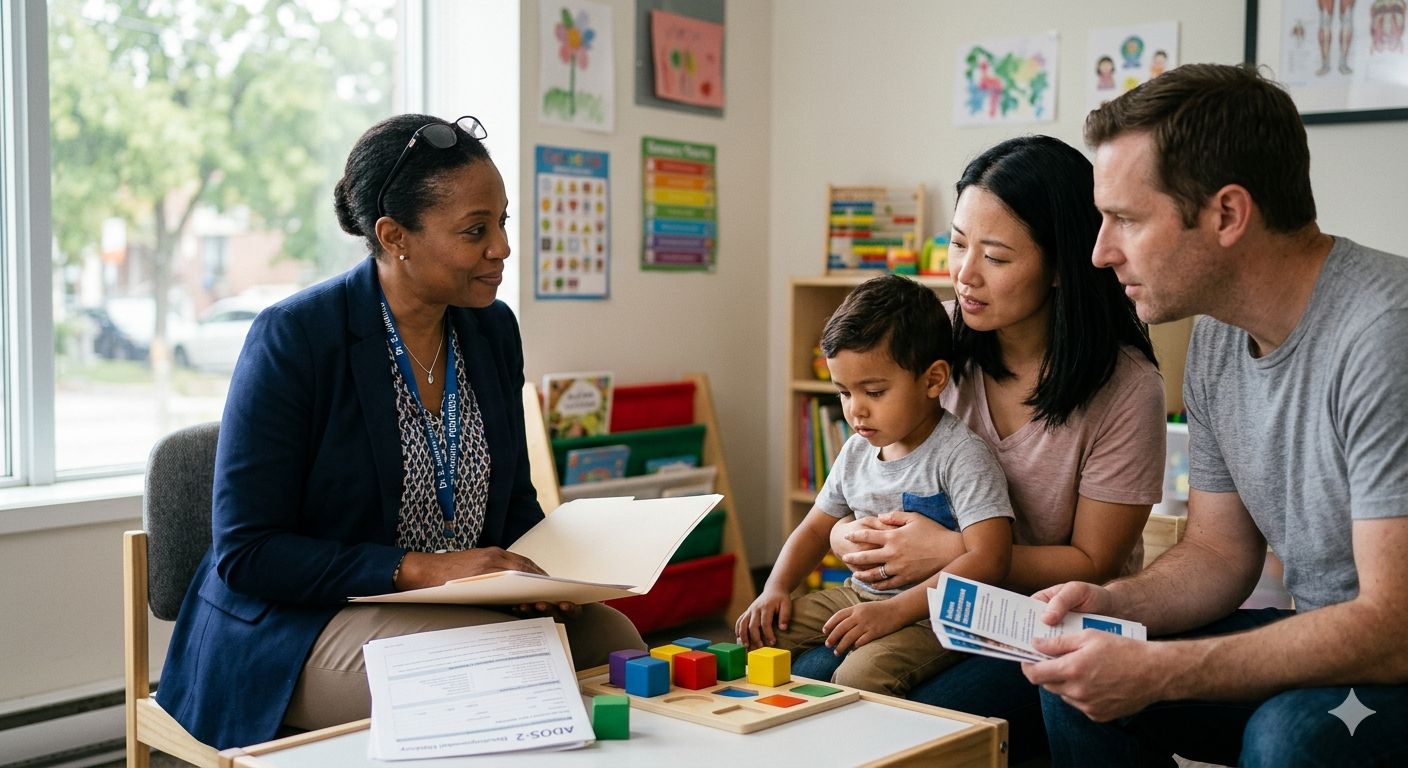
Parents often ask, “Why won’t my child listen?” The answer lies in behavior as a communication tool. Kids with autism, ADHD, or developmental delays express needs through actions, not words. Here’s why prioritizing it changes everything:
-
Speech and occupational therapy synergy: Poor behavior disrupts sessions. A child who melts down can’t practice articulation or fine motor skills effectively.
-
ABA therapy’s proof: Data from the National Autism Society reveals ABA reduces maladaptive behaviors by 47% on average, boosting social skills and IQ scores.
-
Long-term wins: Kids with managed behaviors excel in school—think better grades, fewer suspensions, and stronger friendships.
Imagine a 5-year-old refusing to share toys. Through behavioral strategies like token economies (earning stars for cooperation), they learn empathy. This isn’t discipline; it’s empowerment.
Behavior in Everyday Adult Life: Work, Relationships, and Health
Why behavior matters extends beyond kids. Adults face it daily:
In physical therapy, patients who adopt positive behaviors—like consistent home exercises—recover 30% faster, per Journal of Orthopaedic research. Behavior bridges intention and action.
Common Myths About Behavior—and the Truth
Misconceptions block progress. Let’s debunk them:
-
Myth: “It’s just a phase.” Truth: Unaddressed behaviors solidify; early intervention via behavioral therapy prevents escalation.
-
Myth: “Punishment works best.” Truth: Positive reinforcement is 3x more effective, per APA studies.
-
Myth: “Only therapists handle this.” Truth: Parents and teachers can too, with tools like visual schedules or praise charts.
Practical Steps: Make Behavior Work for You
Ready to act? Start small:
-
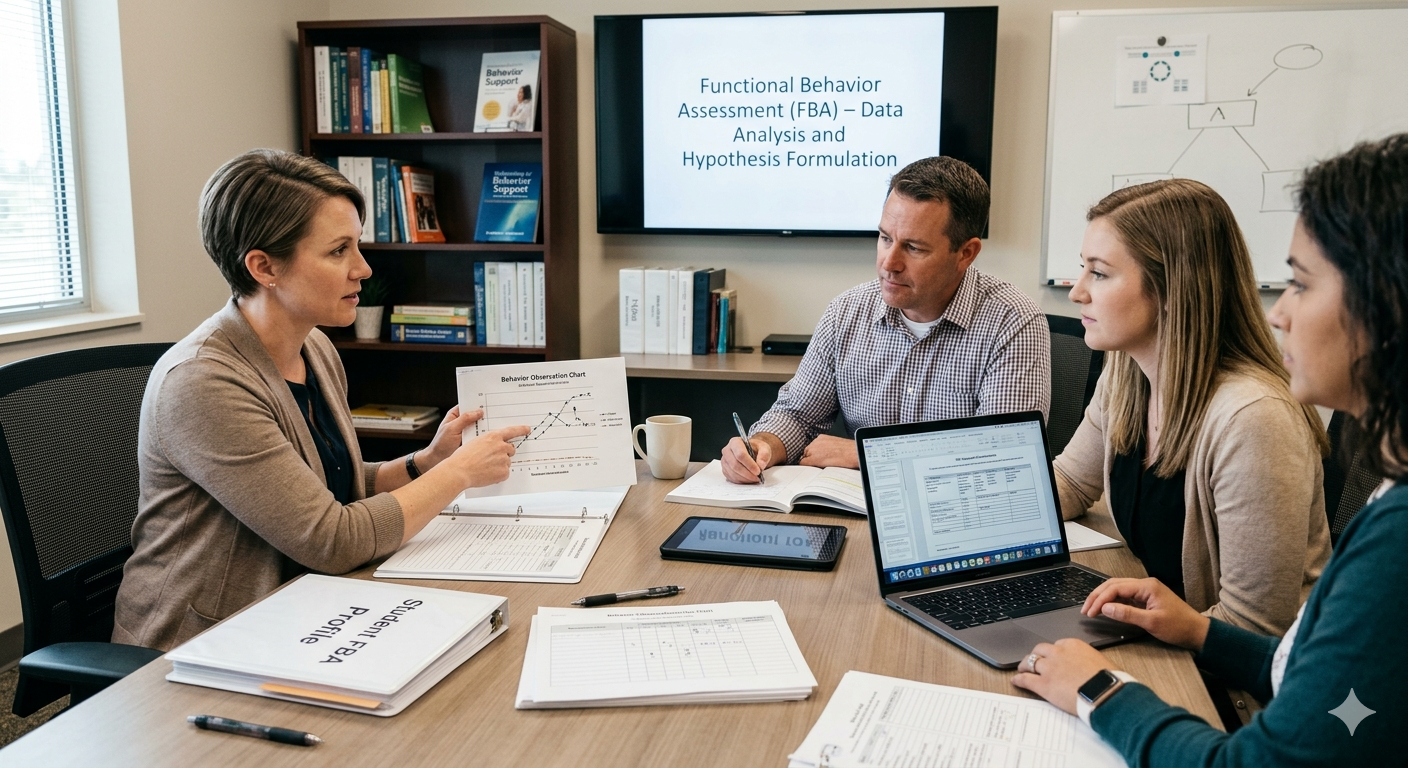
Observe and track: Note triggers (e.g., hunger before meltdowns) using apps like ABC Behavior Chart.
-
Reinforce positives: Praise specific actions—”Great job sharing!”—not vague “good boy.”
-
Seek pros: Consult ABA or behavioral therapists for personalized plans.
-
Build habits: Use routines; consistency turns behaviors into autopilot.
These steps, rooted in evidence-based practices, show why behavior matters—it creates ripple effects.
Behavior isn’t a buzzword; it’s the engine of growth. By focusing here, families transform challenges into strengths, therapies into triumphs, and lives into successes. What’s one behavior holding you back? Address it today.
Sources: CDC, APA, National Autism Society, WHO. For personalized advice, consult a licensed therapist.