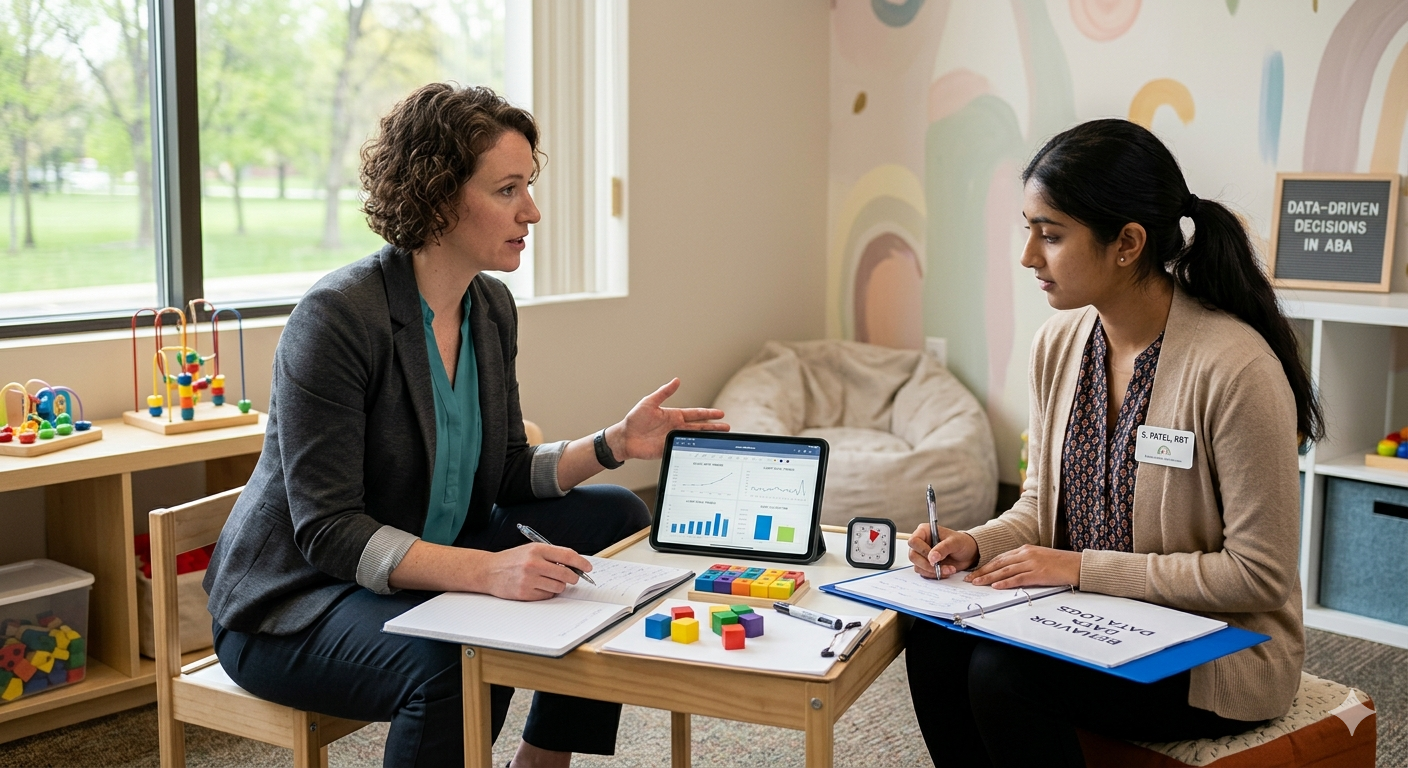

Mastering Skill Acquisition Techniques: Unlock Your Potential Faster

In today’s fast-paced world, skill acquisition techniques are more crucial than ever. Whether you’re learning a new language, picking up a musical instrument, or building professional expertise in therapy fields like speech or occupational therapy, effective methods can accelerate your progress. These techniques draw from cognitive science, neuroscience, and practical training strategies used by experts worldwide. This article explores proven skill acquisition techniques to help you learn smarter, not harder.
The Science Behind Skill Acquisition
Skill acquisition isn’t random—it’s a deliberate process backed by research. Neuroscientist Anders Ericsson’s work on deliberate practice shows that top performers don’t just repeat tasks; they focus on targeted improvement. Similarly, the brain’s neuroplasticity allows rewiring through consistent, intentional effort.
Key phases of skill acquisition include:
-
Cognitive stage: Understanding the basics.
-
Associative stage: Refining through practice.
-
Autonomous stage: Performing effortlessly.
By applying skill acquisition techniques, you shorten these phases, making learning efficient for adults in therapy professions or everyday hobbies.
Top 7 Skill Acquisition Techniques for Rapid Progress
Here are battle-tested skill acquisition techniques that anyone can use. Incorporate them into your routine for measurable gains.
-
Deliberate Practice
Break skills into micro-components and practice with feedback. For speech therapists training clients, this means isolating phonemes before full sentences. Example: Spend 20 minutes daily on one challenging element, recording yourself for review. Studies from Ericsson’s 10,000-hour rule emphasize quality over quantity. -
Spaced Repetition
Review material at increasing intervals to combat forgetting. Apps like Anki use algorithms based on Ebbinghaus’s forgetting curve. In occupational therapy, therapists apply this for fine motor skills—practice buttoning a shirt today, review in 2 days, then a week later. -
Interleaved Practice
Mix different skills in one session instead of blocking them. Research from UCLA shows this boosts retention by 40%. A physical therapist might alternate balance exercises with strength training, mimicking real-world demands. -
Mental Imagery and Visualization
Mentally rehearse skills to prime your brain. Olympic athletes use this; behavioral therapists teach it for anxiety management. Close your eyes and visualize nailing a presentation—your motor cortex activates as if practicing physically. -
Chunking
Group information into meaningful units. Pianists chunk notes into phrases; coders break code into functions. For ABA therapy, chunk behaviors into sequences to teach complex routines faster. -
Feedback Loops
Seek immediate, specific feedback. Use video analysis or coaches. In sports like cricket (a favorite in Pakistan but popular globally), pros review footage post-match. Tools like wearable tech provide real-time data for therapy sessions. -
Pomodoro with Active Recall
Work in 25-minute bursts, then test yourself without notes. This combats passive reading. A study in Psychological Science found active recall doubles long-term retention.
Applying Skill Acquisition Techniques in Therapy and Daily Life
For professionals like speech, occupational, behavioral (ABA), or physical therapists, these techniques transform client outcomes. Imagine using interleaved practice in sessions: switch between articulation drills and language comprehension for holistic gains.
In personal development, apply them to hobbies. Learning guitar? Chunk chords and use spaced repetition via apps. Parents teaching kids via ABA can chunk daily routines for faster independence.
Tailor to your context—Western audiences often prioritize apps and data-driven tools like Duolingo for languages or Habitica for gamified practice.
Common Pitfalls and How to Avoid Them
Don’t fall into mindless repetition; always aim for challenge. Track progress with journals or apps to stay motivated. Start small: pick one technique for a week, then layer in more.
Level Up Your Skills Today
Skill acquisition techniques aren’t magic—they’re science-backed tools for efficiency. Integrate deliberate practice, spaced repetition, and others into your life, and watch proficiency soar. Whether advancing your therapy career or mastering a new hobby, these methods deliver results.
Ready to try? Pick one technique and commit for 21 days.