


Signs of Autism at Age 5: What Parents Should Know
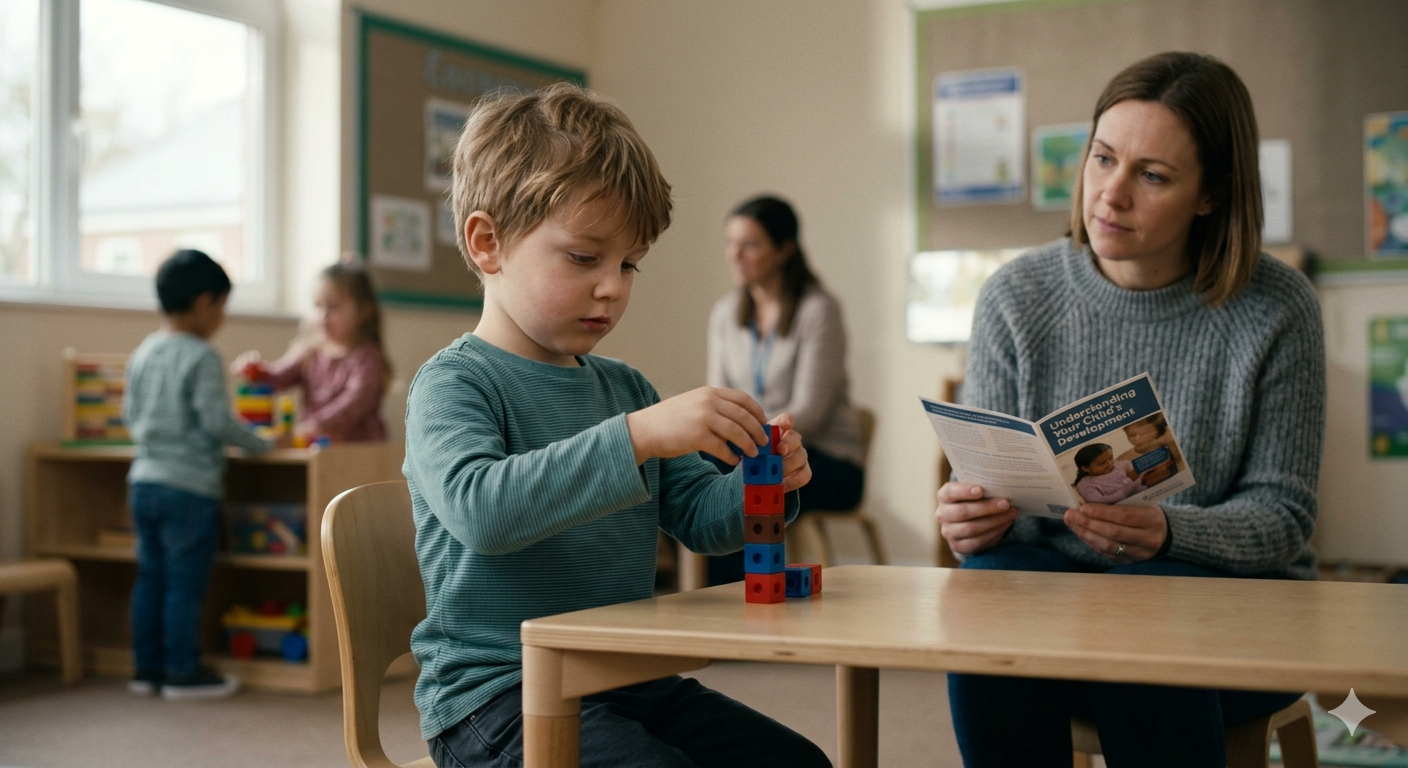
By age 5, most children are talking in full sentences, joining in pretend play, and starting to understand simple social rules. For some kids, though, certain behaviors and communication patterns may raise concerns about autism spectrum disorder (ASD). Recognizing these signs early can help families access support sooner and give the child the best chance to thrive in school and social life.
What autism can look like at age 5
Autism is a neurodevelopmental condition that affects how a child communicates, interacts socially, behaves, and processes sensory input. At age 5, symptoms are often more noticeable than in younger toddlers because expectations for speech, play, and classroom behavior are higher.
Common patterns in 5‑year‑olds include:
-
Limited or one‑sided conversations, including repeating phrases or talking “at” others rather than with them.
-
Strong preference for routines and intense distress when plans change, even in small ways.
-
Narrow, intense interests (e.g., trains, numbers, maps) that dominate play and conversation.
Social and communication differences
At age 5, many children enjoy playing with peers, sharing toys, and using gestures and facial expressions to communicate. A child with autism may not follow this pattern as consistently.
You might notice:
-
Avoidance of eye contact or inconsistent eye contact during play or conversation.
-
Difficulty joining in group play; they may play alone or parallel to others without truly engaging.
-
Trouble understanding emotions in others or knowing how to respond when someone is upset or happy.
Language and talking style
By 5, most children can tell simple stories, ask questions, and follow classroom instructions. In autism, language may be present but used differently.
Look for:
-
Highly literal understanding; difficulty with jokes, sarcasm, or phrases like “break a leg.”
-
Repetitive phrases or “scripted” lines from TV shows or movies rather than flexible speech.
-
Speaking in long monologues about one topic, without checking if others are interested or following.
Repetitive behaviors and routines
Repetitive behaviors are a core part of autism. At age 5, some of these habits can look like “quirks” but may actually be attempts to manage anxiety or sensory overload.
Signs may include:
-
Repetitive movements such as hand flapping, rocking, or spinning themselves or objects.
-
Needing rituals to be “just right” (e.g., lining up toys, following a rigid sequence of steps before bed).
-
Strong discomfort with changes in routine, even if the change is small or positive.
Sensory sensitivities and reactivity
Many children with autism are unusually sensitive—or sometimes under‑sensitive—to sounds, lights, textures, or smells. At age 5, this can show up clearly in school and home settings.
Examples:
-
Extreme reactions to loud noises, fluorescent lights, or certain clothing textures.
-
Avoiding physical contact, such as hugs or messy crafts, while another child may seek out those sensations.
-
Strong cravings for certain sensory experiences, such as spinning, rocking, or crashing into objects.
Play and imagination differences
At age 5, most children enjoy pretend play, make‑believe games, and role‑playing (like “school,” “doctor,” or “superhero”). Children with autism may have less interest in or understanding of this type of play.
You might see:
-
More rule‑based or solitary play instead of imaginative, cooperative games.
-
Difficulty understanding or contributing to a shared story, such as a group game where each child takes turns adding to a pretend scenario.
When to talk to a professional
Not every child who shows one of these signs has autism. Some traits can overlap with other conditions, such as ADHD, anxiety, or language delays. However, if several of these patterns appear together and are persistent, it’s worth speaking with a pediatrician, developmental pediatrician, or child psychologist.
Red flags that warrant a professional evaluation:
-
Delayed or unusual speech and difficulty following simple instructions in school.
-
Consistent avoidance of peers and lack of interest in social play, even with support.
-
Intense distress with changes, rigid routines, and repetitive behaviors that interfere with daily life.
How early support can help
Early identification and support can make a big difference in a child’s communication, social skills, and confidence. At age 5, many children benefit from:
-
Speech and language therapy to improve conversation, turn‑taking, and understanding of social cues.
-
Occupational therapy to address sensory sensitivities and daily‑living skills.
-
Behavioral or social‑skills programs that help children practice play, sharing, and following routines.
If you are worried about your 5‑year‑old’s development, keep a simple note of what you observe (e.g., videos, a diary page) and take it with you to a professional appointment. Trusted organizations such as the CDC, Autism Speaks, and national health services provide checklists and guidance specifically for “signs of autism in children” that can help you prepare for that conversation.