Child Development Basics: A Professional Guide for Parents, Educators, and Caregivers
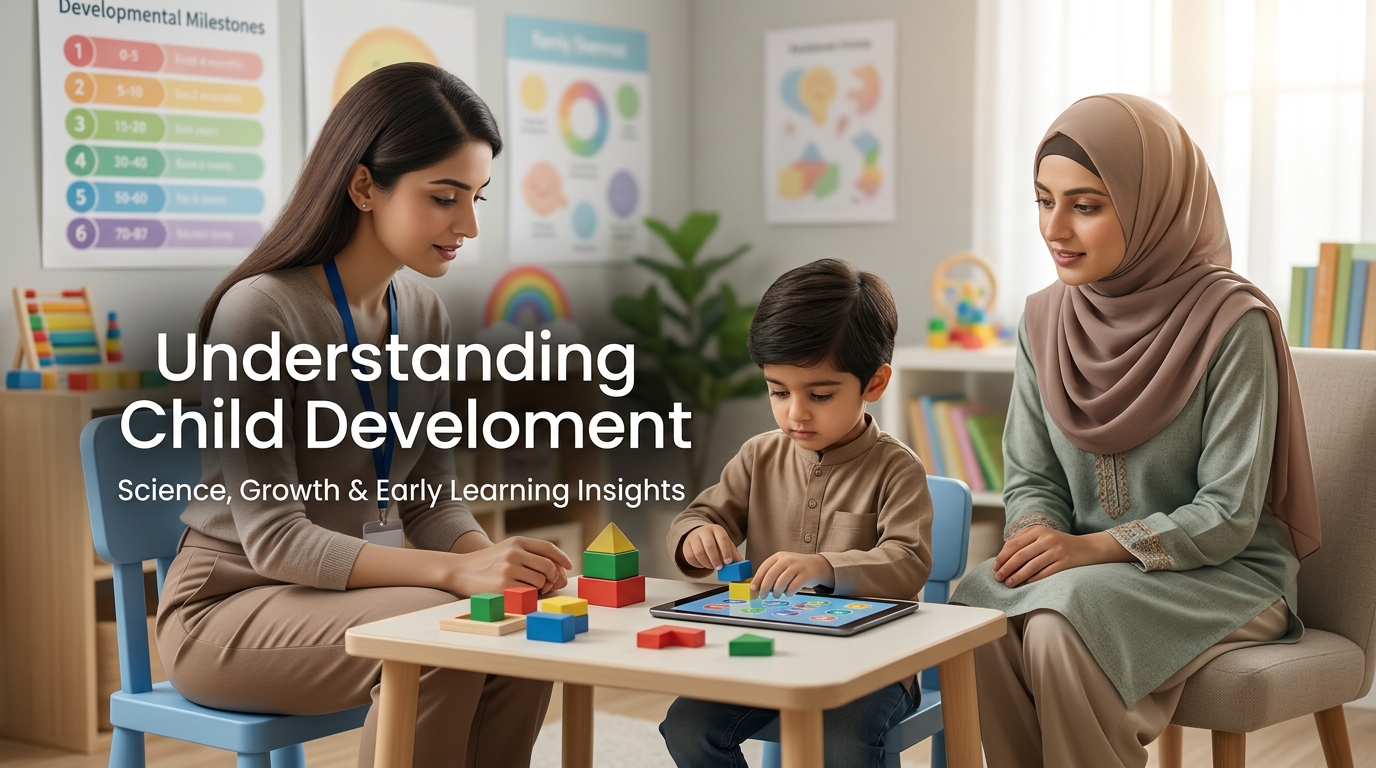
Child development is a continuous journey that begins at birth and extends through adolescence. It shapes how a child learns, communicates, solves problems, builds relationships, and manages emotions. Rather than following a rigid timeline, development unfolds through dynamic and interconnected changes across physical, cognitive, social, and emotional domains.
Although every child grows at their own pace, the overall progression follows recognizable patterns. Understanding these patterns helps adults respond more effectively, create supportive environments, and identify early when a child may need additional guidance.
Understanding Child Development
Child development refers to the gradual, interrelated changes that occur as a child grows from infancy to late adolescence. These changes influence one another and cannot be separated into isolated processes.
Development is commonly understood through five key domains:
- Physical development – Growth of the body, motor coordination, and physical capabilities
- Cognitive development – Thinking, reasoning, memory, and learning processes
- Language development – Communication, vocabulary growth, and comprehension skills
- Social development – Interaction, cooperation, and relationship-building
- Emotional development – Recognition, expression, and regulation of emotions
A child develops all these areas simultaneously, and progress in one often supports growth in another.
Why Child Development Matters
The early years of life form the foundation of long-term health, learning, and behavior. During this period, the brain develops rapidly, creating neural pathways that influence future learning and emotional regulation.
Understanding child development is essential because it:
- Supports strong academic foundations
- Encourages emotional stability and resilience
- Improves communication between adults and children
- Helps identify developmental concerns early
- Strengthens family and educational relationships
- Promotes healthier long-term behavior and decision-making
Early experiences—whether positive or negative—play a lasting role in shaping a child’s worldview and self-perception.
Stages of Child Development
Child development is often described in stages that reflect typical patterns of growth.
- Infancy (0–2 years)
This stage is defined by rapid physical and sensory development.
- Rapid growth in height and weight
- Development of basic motor skills (rolling, sitting, crawling, walking)
- Recognition of familiar people and caregivers
- Early communication through crying, sounds, and gestures
- Formation of emotional attachment bonds
- Early Childhood (2–6 years)
A period marked by curiosity, imagination, and language expansion.
- Rapid vocabulary development and sentence formation
- Growth of independence in daily routines
- Development of social skills such as sharing and cooperation
- Strong imagination and pretend play
- Refinement of fine motor skills like drawing and writing
- Middle Childhood (6–12 years)
This stage focuses on structured learning and expanding social life.
- Academic learning becomes central
- Improved logical thinking and problem-solving abilities
- Friendships become more significant
- Development of self-discipline and responsibility
- Self-esteem begins to form through achievements
- Adolescence (12–18 years)
A transformative stage involving physical, emotional, and social changes.
- Puberty-related physical development
- Formation of personal identity and self-awareness
- Strong influence of peer relationships
- Development of abstract thinking and reasoning
- Emotional sensitivity and growing independence
- Late Adolescent Transition
A bridge toward adulthood and independence.
- Greater responsibility and decision-making
- Planning for education and career pathways
- Continued emotional maturity and self-regulation
 Core Areas of Development
Physical Development
Physical growth includes changes in body size, strength, coordination, and overall health. Adequate nutrition, sleep, and physical activity are essential for healthy progression.
Cognitive Development
Cognitive skills involve how children think, learn, and solve problems. These include memory, attention, reasoning, and information processing.
Language Development
Language begins with sounds and gestures and evolves into complex speech, reading, and writing. Daily conversation, storytelling, and reading significantly strengthen communication skills.
Social Development
Social development involves learning how to interact with others—building friendships, cooperating, understanding boundaries, and resolving conflicts.
Emotional Development
Emotional growth focuses on understanding feelings, expressing emotions appropriately, and developing self-control, empathy, and resilience.
Factors Influencing Child Development
A child’s development is shaped by a combination of biological and environmental influences:
- Genetic makeup – inherited traits and predispositions
- Nutrition – essential for brain and physical growth
- Home environment – safety, stability, and emotional support
- Parenting approach – communication style, discipline, and responsiveness
- Education quality – learning opportunities and teaching methods
- Social exposure – interaction with family, peers, and community
- Health conditions – physical or developmental challenges
These factors interact continuously, shaping development in complex ways.
Importance of Developmental Awareness
Understanding how children grow helps adults respond more effectively and appropriately.
It enables:
- Better parenting and teaching strategies
- Early recognition of developmental delays or difficulties
- Stronger emotional support systems
- Improved communication and trust
- Better academic and social outcomes over time
Common Developmental Challenges
Some children may experience delays or difficulties in one or more areas of development. These may include:
- Speech and language delays
- Learning difficulties in academic settings
- Behavioral regulation challenges
- Attention and focus issues
- Emotional control difficulties
- Social interaction struggles
Early identification and timely support can significantly improve outcomes.
Supporting Healthy Child Development
A supportive environment plays a central role in healthy growth.
Practical approaches include:
- Providing a stable, safe, and nurturing home environment
- Encouraging both structured and free play
- Maintaining consistent daily routines
- Ensuring balanced nutrition and adequate sleep
- Limiting excessive screen exposure
- Encouraging reading, conversation, and storytelling
- Allowing children to express emotions freely and safely
Real-Life Examples of Development
Child development is visible in everyday behavior:
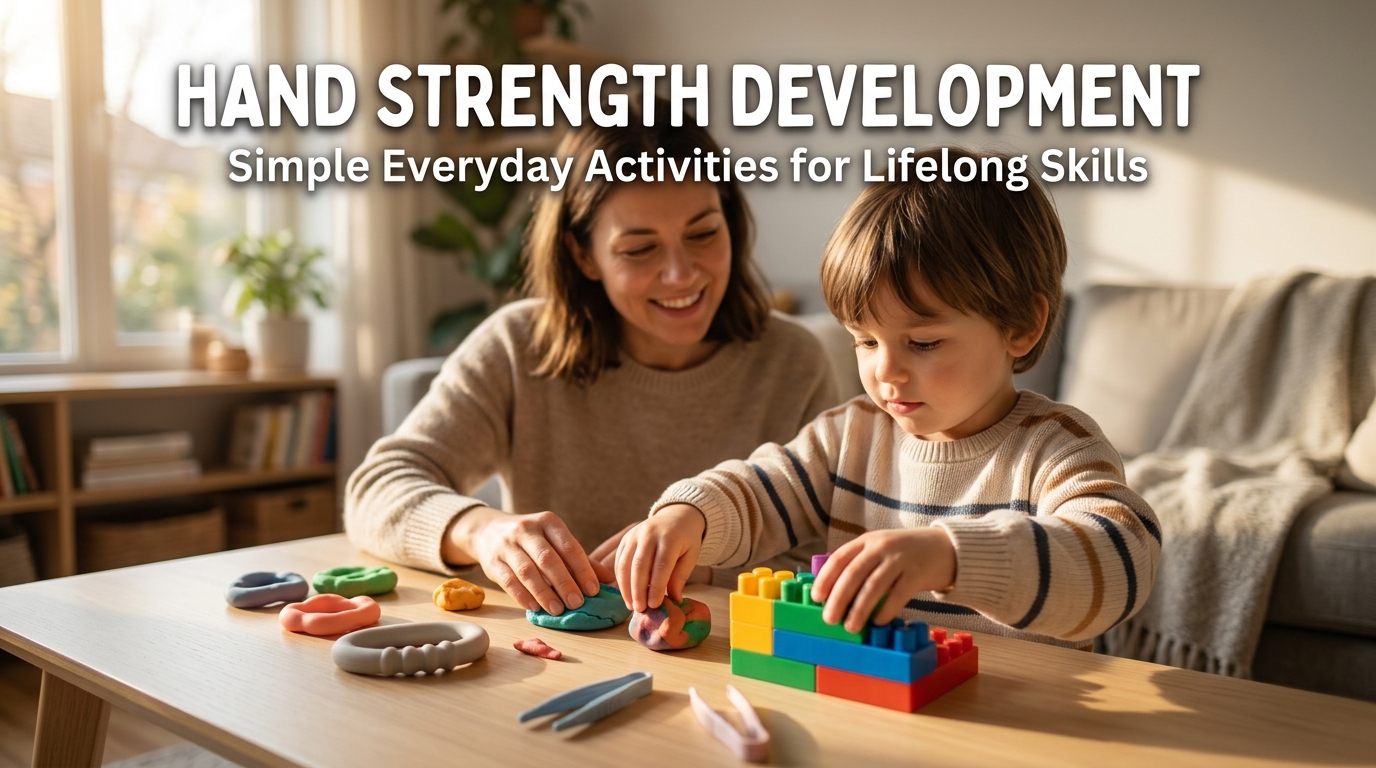
- A toddler stacking blocks demonstrates motor and cognitive development
- A young child asking frequent questions shows curiosity and cognitive growth
- Making friends reflects social development
- Expressing opinions indicates identity formation in adolescence
- Creative play, music, or drawing reflects emotional and artistic development
Practical Guidance for Parents and Caregivers
Small, consistent efforts can significantly influence a child’s development:
- Communicate regularly to build language skills
- Encourage physical activities and outdoor play
- Focus on effort rather than only outcomes
- Support learning through mistakes and experiences
- Read together to strengthen imagination and vocabulary
- Maintain a calm and emotionally supportive environment
- Observe behavior changes with care and attention
Common Mistakes That Can Affect Development
Certain practices may unintentionally hinder healthy growth:
- Comparing children with others
- Neglecting emotional needs
- Excessive or unregulated screen exposure
- Overly strict or controlling parenting
- Limited meaningful communication
- Reducing play in favor of only academic pressure
- Delayed response to developmental concerns
Future Trends in Child Development
 Modern research continues to deepen our understanding of childhood growth.
Emerging trends include:
- Strong emphasis on early childhood education
- Integration of digital and interactive learning tools
- Increased awareness of children’s mental health
- Personalized learning approaches in education
- Greater focus on emotional intelligence and empathy
- Application of neuroscience in learning methodologies
These developments are shaping more responsive and informed approaches to raising and educating children.
Frequently Asked Questions (FAQs)
- What is the most critical stage of child development?
Early childhood is especially important due to rapid brain development and foundational learning.
- Do children develop at the same speed?
No. Development varies naturally among children while following general patterns.
- Can developmental delays be improved?
Yes. Early intervention and support can significantly improve outcomes.
- How does nutrition influence development?
Nutrition supports brain function, physical growth, energy levels, and immunity.
- What role do parents play in development?
Parents provide emotional security, guidance, learning support, and behavioral modeling.
- What are indicators of healthy development?
Clear communication, steady growth, curiosity, and positive social interaction.
- Why is play important?
Play supports creativity, problem-solving, emotional regulation, and social skills.
- When should concerns be addressed?
If consistent developmental delays are observed, professional evaluation is recommended.
- How does screen time affect children?
Excessive screen use may impact attention, sleep quality, and social interaction.
- What is emotional development?
It is the ability to understand, express, and manage emotions effectively.
- How can schools support development?
Through structured learning, emotional support, peer interaction, and skill-building activities.
Final Perspective
Child development forms the foundation of a person’s lifelong growth and wellbeing. Every interaction, environment, and experience contributes to shaping how a child thinks, feels, and behaves.
When parents, educators, and caregivers understand these developmental processes, they are better equipped to guide children with patience, awareness, and consistency—helping them grow into confident, balanced, and capable individuals.