Special Education: A Complete Guide to Inclusive and Individualized Learning
Not every child learns in the same way or at the same pace. Some grasp ideas quickly through reading or listening, while others need visual support, repetition, structured guidance, or hands-on practice to fully understand a concept. In many classrooms, a number of learners require additional support to overcome barriers that affect their learning experience.
Special education addresses this reality. It is designed to ensure that children who face learning, developmental, emotional, or physical challenges are not left behind in mainstream education systems. Instead of expecting every student to adapt to a single teaching style, special education reshapes instruction to meet individual needs.
Today, it is widely recognized as an essential part of inclusive education rather than a separate or isolated system.
Understanding Special Education
Special education is a structured and individualized approach to teaching students who need additional academic, behavioral, or developmental support to learn effectively.
These learners may experience a range of challenges, including:
- Learning differences such as dyslexia or dyscalculia
- Speech and language delays
- Autism spectrum conditions
- Intellectual or cognitive disabilities
- Physical or sensory impairments
- Emotional, behavioral, or attention-related difficulties
The core idea is not to lower expectations, but to adjust teaching methods, learning environments, and assessment styles so each student can progress in a way that matches their abilities.
Why Special Education Plays a Crucial Role
The value of special education goes far beyond academics. It supports fairness, inclusion, and long-term development.
In practical terms, it helps to:
- Reduce learning gaps before they become long-term barriers
- Identify developmental challenges at an early stage
- Build confidence through achievable learning goals
- Encourage participation in classroom and social activities
- Develop essential life skills alongside academic learning
Without such support, many learners would struggle in silence, often feeling excluded from the learning process.
How Special Education Is Implemented
Special education is not a single method. It is a coordinated system of strategies tailored to each learner’s needs.
Individualized Education Plan (IEP)
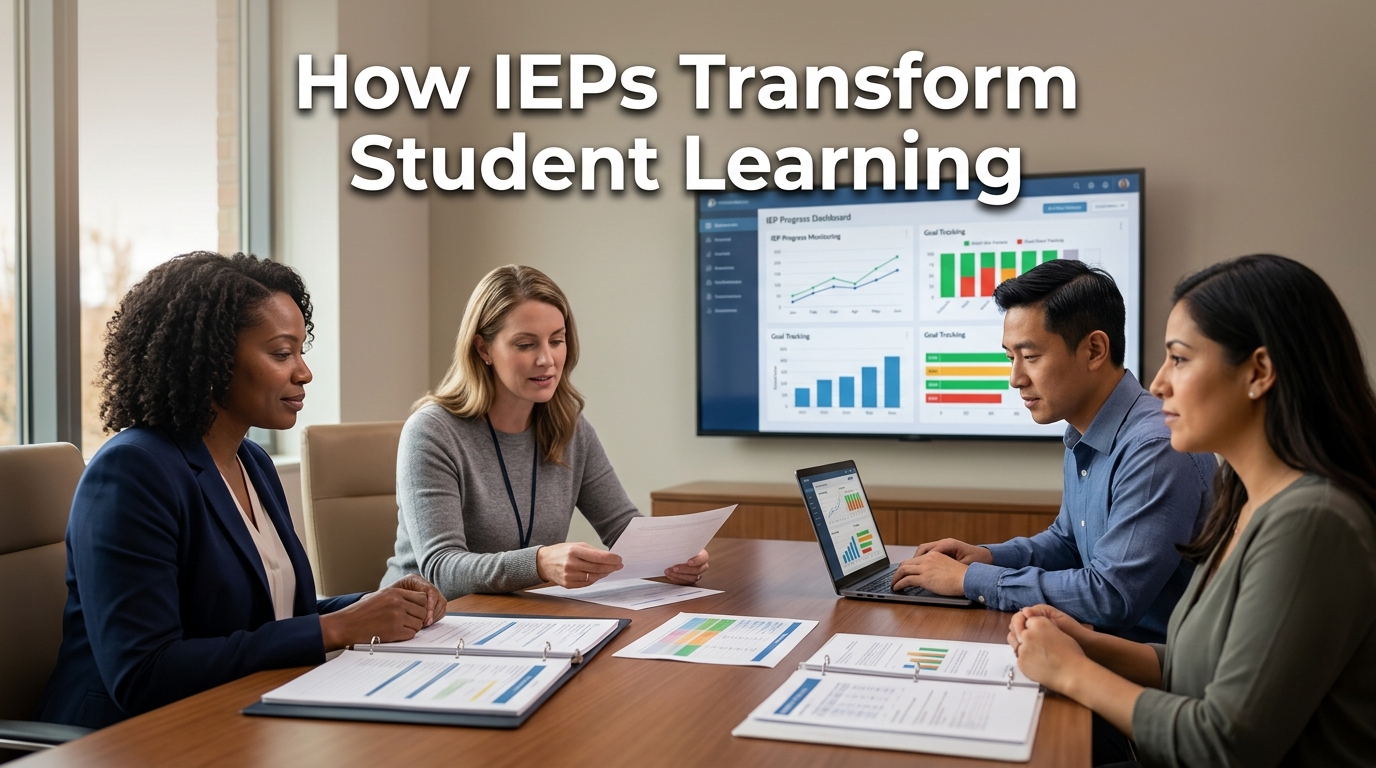
An Individualized Education Plan acts as a structured roadmap for a student’s learning journey. It typically includes:
- Clear academic and behavioral goals
- Teaching strategies suited to the learner
- Required support services
- Methods for assessment and progress tracking
Adapted Teaching Strategies
Educators often adjust their teaching style to improve understanding, such as:
- Using visual aids and diagrams
- Breaking lessons into simple steps
- Repeating key concepts for reinforcement
- Incorporating hands-on and interactive activities
Support Services
Depending on the learner’s needs, additional support may include:
- Speech and language therapy
- Occupational therapy
- Behavioral or psychological counseling
- Specialized learning assistance
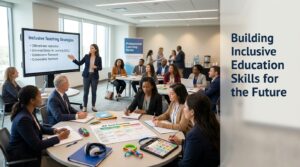 Inclusive Classroom Settings
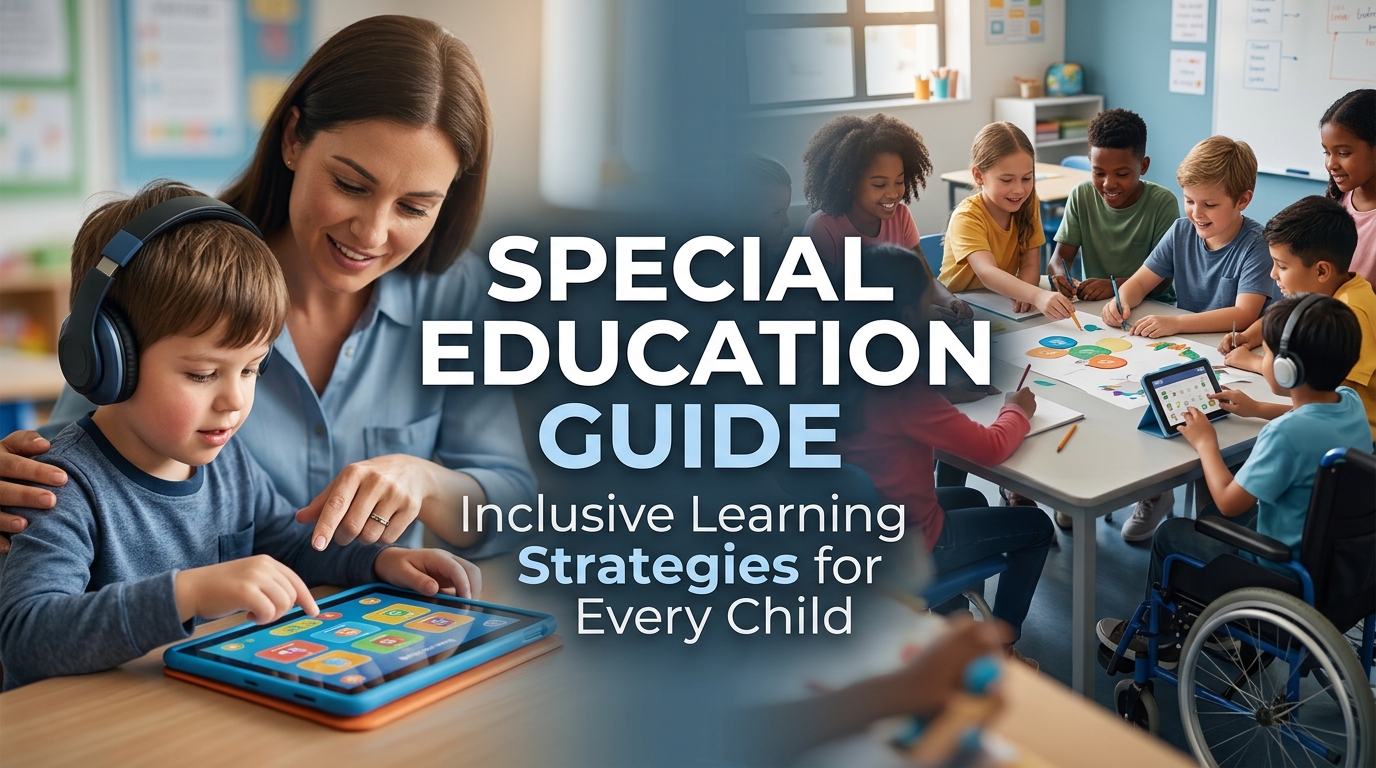
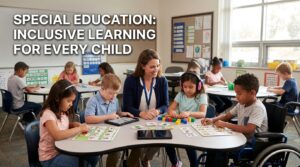
Many students receive support while learning alongside their peers in mainstream classrooms, promoting both academic growth and social integration.
Continuous Progress Monitoring
Regular assessments help teachers adjust methods and ensure the student continues to move forward at a suitable pace.
Core Characteristics of Special Education
- Focus on individual learning needs
- Flexible teaching methods and curriculum adjustments
- Collaboration between teachers, parents, and specialists
- Use of assistive tools and technology when needed
- Equal emphasis on academic, social, and life skills development
Benefits of Special Education
Special education contributes to overall growth, not just academic performance.
For Students
- Learning at a pace that matches their abilities
- Improved communication and social interaction skills
- Better emotional regulation and confidence
- Greater independence in everyday life
For Families
- Clear understanding of the child’s learning profile
- Guidance from trained professionals
- Reduced stress through structured learning support
For Society
- Greater inclusion in education and workplaces
- Reduced stigma around learning differences
- A more diverse and capable future workforce
Challenges in Special Education
Despite its importance, special education faces several real-world challenges:
- Shortage of trained special education professionals
- Limited funding and learning resources in many regions
- Large class sizes that reduce individual attention
- Delayed identification of learning difficulties
- Misunderstanding and social stigma
Addressing these challenges requires awareness, training, and stronger support systems at institutional and policy levels.
Factors That Determine Success
The effectiveness of special education depends on several key elements:
- Early identification of learning needs
- Proper assessment by qualified professionals
- Active involvement of parents and caregivers
- Access to therapy and support services
- Flexible, patient teaching approaches
- Regular monitoring and adjustment of learning plans
Every learner’s journey is unique, making adaptability a central requirement.
Real-Life Applications of Special Education
Special education becomes clearer when seen in practical scenarios:
- A child with dyslexia using audiobooks instead of printed material
- A learner with autism following structured routines to build communication skills
- A hearing-impaired student learning through sign language and visual tools
- A student with ADHD benefiting from short, focused, interactive lessons
These adjustments make education more accessible and meaningful for diverse learners.
 Effective Strategies for Educators and Parents
- Identify learning challenges early rather than waiting
- Encourage progress through positive reinforcement
- Divide complex tasks into smaller, manageable steps
- Maintain consistent communication between home and school
- Use technology such as learning apps and visual aids
- Focus on steady progress rather than speed
Common Mistakes to Avoid
- Treating all learners with special needs the same way
- Ignoring early signs of learning difficulties
- Giving overly complex instructions without simplification
- Weak coordination between parents and educators
- Overemphasizing academics while neglecting emotional development
The Future of Special Education
Special education continues to evolve with advancements in teaching methods and technology.
Key trends include:
- Expansion of inclusive classroom models
- Increased use of digital learning platforms
- AI-supported personalized education systems
- Better early screening and diagnostic tools
- Growing awareness and acceptance in society
The direction is clear: education is becoming more adaptive, accessible, and learner-centered.
Frequently Asked Questions
- What is the main purpose of special education?
To provide personalized learning support so every student can achieve meaningful academic and personal growth.
- Who needs special education?
Students with learning differences, developmental delays, disabilities, or behavioral challenges.
- Is special education only for severe cases?
No, it also supports mild and moderate learning difficulties.
- What is included in an Individualized Education Plan (IEP)?
Learning goals, teaching methods, support services, and evaluation strategies.
- Can students in special education attend regular schools?
Yes, many learn in inclusive classrooms with appropriate support.
- What subjects are taught?
Core academics along with life skills, communication, and social development.
- How is student progress measured?
Through continuous observation and personalized assessments.
- What role do parents play?
Parents support learning at home and collaborate closely with educators.
- How is technology used in special education?
It improves accessibility through tools like learning apps, audio support, and visual aids.
- Can students become independent?
With consistent support and guidance, many develop strong independence and practical life skills.
Final Reflection
Special education reflects a commitment to fairness and inclusion in learning. It recognizes that every child has unique strengths and challenges, and that education should adapt to those differences rather than ignore them.
When supported properly, learners with special needs can build confidence, develop essential skills, and actively participate in society. The true strength of special education lies in its ability to turn potential into progress—at a pace that respects each individual learner.