Introduction to Occupational Therapy: A Complete Guide to Its Role in Modern Healthcare
Occupational therapy is a practical, person-centered branch of healthcare focused on helping individuals regain or develop the ability to manage everyday life activities. Rather than concentrating only on medical conditions, it looks closely at how those conditions affect real-world functioning—at home, school, work, and in the community.
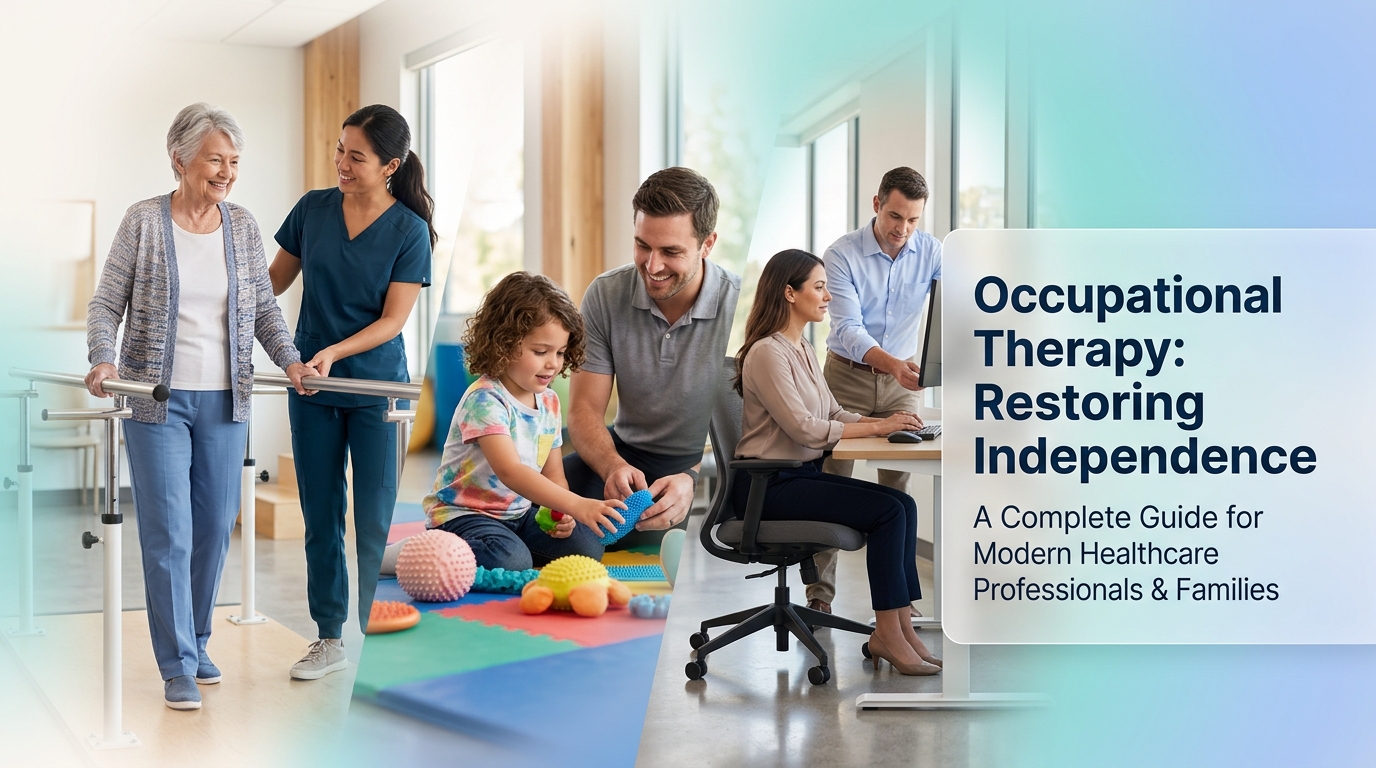
From a child learning to hold a pencil, to an adult recovering after a stroke, to an older person adapting to mobility changes, occupational therapy supports people across all stages of life. Its purpose is straightforward: to help individuals live with as much independence, dignity, and confidence as possible.
What Is Occupational Therapy?
Occupational therapy (OT) is a healthcare profession that helps individuals build, restore, or maintain the skills needed for daily living and meaningful participation in life.
These “daily occupations” include:
- Self-care activities such as bathing, dressing, and eating
- Educational tasks like writing, focusing, and organizing schoolwork
- Work-related responsibilities including planning, productivity, and task completion
- Social interaction and communication
- Physical coordination, hand function, and mobility skills
Occupational therapists assess how physical, cognitive, emotional, and environmental factors affect a person’s functioning. Based on this understanding, they design individualized strategies to improve independence.
Unlike approaches that focus only on symptoms or diagnosis, occupational therapy is centered on how a person lives their everyday life and what barriers stand in the way.
Why Occupational Therapy Matters
When basic activities become difficult, quality of life is directly affected. Illness, injury, developmental conditions, mental health challenges, or aging can all interfere with daily functioning.
Occupational therapy plays a key role in restoring balance by:
- Supporting recovery after injury, surgery, or illness
- Improving fine and gross motor coordination
- Strengthening attention, memory, and problem-solving skills
- Helping individuals adapt to physical or cognitive limitations
- Supporting academic participation and learning skills
- Improving emotional regulation and social engagement
- Promoting independence at home, school, and work
In practical terms, OT bridges the gap between medical treatment and real-life independence.
How Occupational Therapy Works
Occupational therapy follows a structured, goal-oriented process tailored to each individual.
- Assessment and Evaluation
The therapist begins by understanding the person’s current abilities and challenges. This may include:
- Strength, balance, and coordination
- Memory, attention, and planning skills
- Emotional regulation and coping abilities
- Environmental factors at home, school, or workplace
The aim is to identify what limits independence in daily life.
- Goal Setting
Goals are developed collaboratively and based on real-life priorities. Examples include:
- Writing or reading independently
- Walking or moving safely without support
- Returning to school or work
- Managing daily routines with greater confidence
These goals are practical, measurable, and tailored to the individual.
- Intervention Planning
A personalized therapy plan is then designed. It may involve:
- Therapeutic exercises to improve strength and coordination
- Skill-building activities for daily tasks
- Use of assistive or adaptive tools
- Environmental modifications for safety and accessibility
- Teaching alternative techniques to complete tasks more effectively
- Progress Monitoring
Progress is continuously reviewed. Based on improvement or challenges, the plan is adjusted to ensure steady and realistic development over time.
Major Areas of Occupational Therapy Practice
Occupational therapy is applied across different fields depending on individual needs.
Pediatric Occupational Therapy
Supports children with:
- Developmental delays
- Autism spectrum conditions
- Learning difficulties
- Sensory processing challenges
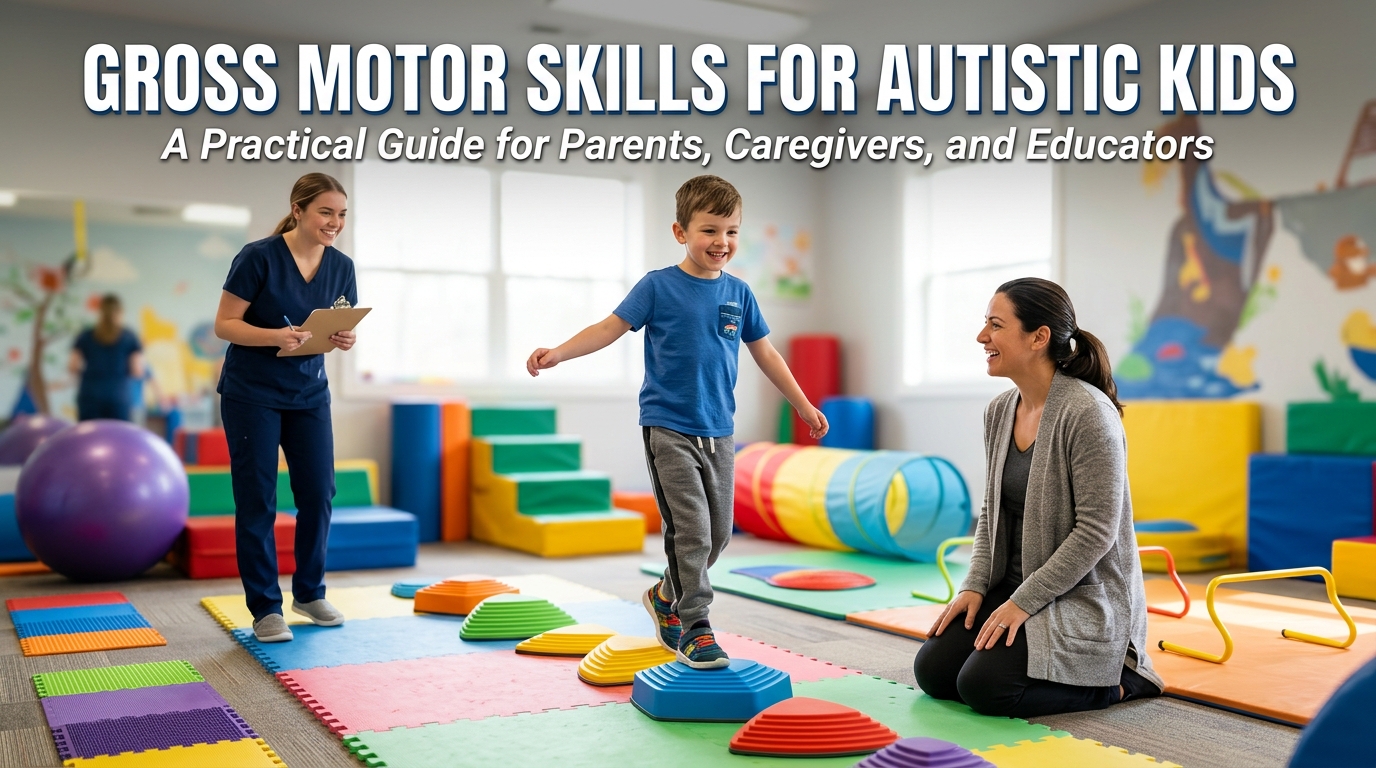
Focus areas include play skills, school readiness, and daily routine independence.
Rehabilitation and Physical Recovery
Helps individuals recovering from:
- Stroke
- Injuries
- Surgeries
- Neurological conditions
The goal is to rebuild functional independence in everyday tasks.
Mental Health Occupational Therapy
Supports individuals experiencing:
- Anxiety and stress-related conditions
- Depression
- Trauma-related difficulties
- Emotional regulation challenges
Therapy often focuses on routine building, coping strategies, and social participation.
Geriatric Occupational Therapy
Supports older adults by addressing:
- Age-related mobility changes
- Memory and cognitive decline
- Fall prevention
- Assistance with daily living activities
The emphasis is on maintaining independence and safety.
Workplace Occupational Therapy
Improves performance and safety in professional environments by focusing on:
- Ergonomics and posture correction
- Productivity and task management
- Injury prevention
- Return-to-work rehabilitation
Benefits of Occupational Therapy
Occupational therapy contributes to meaningful improvements in daily life, including:
- Greater independence in self-care and routines
- Improved motor and cognitive functioning
- Increased confidence and self-reliance
- Reduced dependency on caregivers
- Better recovery outcomes after illness or injury
- Enhanced social participation and quality of life
Its impact often extends beyond physical recovery into emotional and social well-being.
 Challenges in Occupational Therapy
Despite its effectiveness, OT may face practical challenges:
- Recovery can take time and consistent effort
- Limited awareness in some communities
- Need for ongoing participation and practice
- Financial limitations in long-term therapy
- Reduced access in rural or underserved areas
Recognizing these challenges helps set realistic expectations and supports better long-term planning.
Factors That Influence Therapy Outcomes
Progress in occupational therapy depends on several interconnected factors:
- Severity and type of condition
- Motivation and consistency of the individual
- Family and caregiver support
- Quality of therapy environment
- Access to tools, equipment, and resources
A coordinated approach between therapist, patient, and caregivers often leads to better outcomes.
Real-Life Applications of Occupational Therapy
Child Development Support
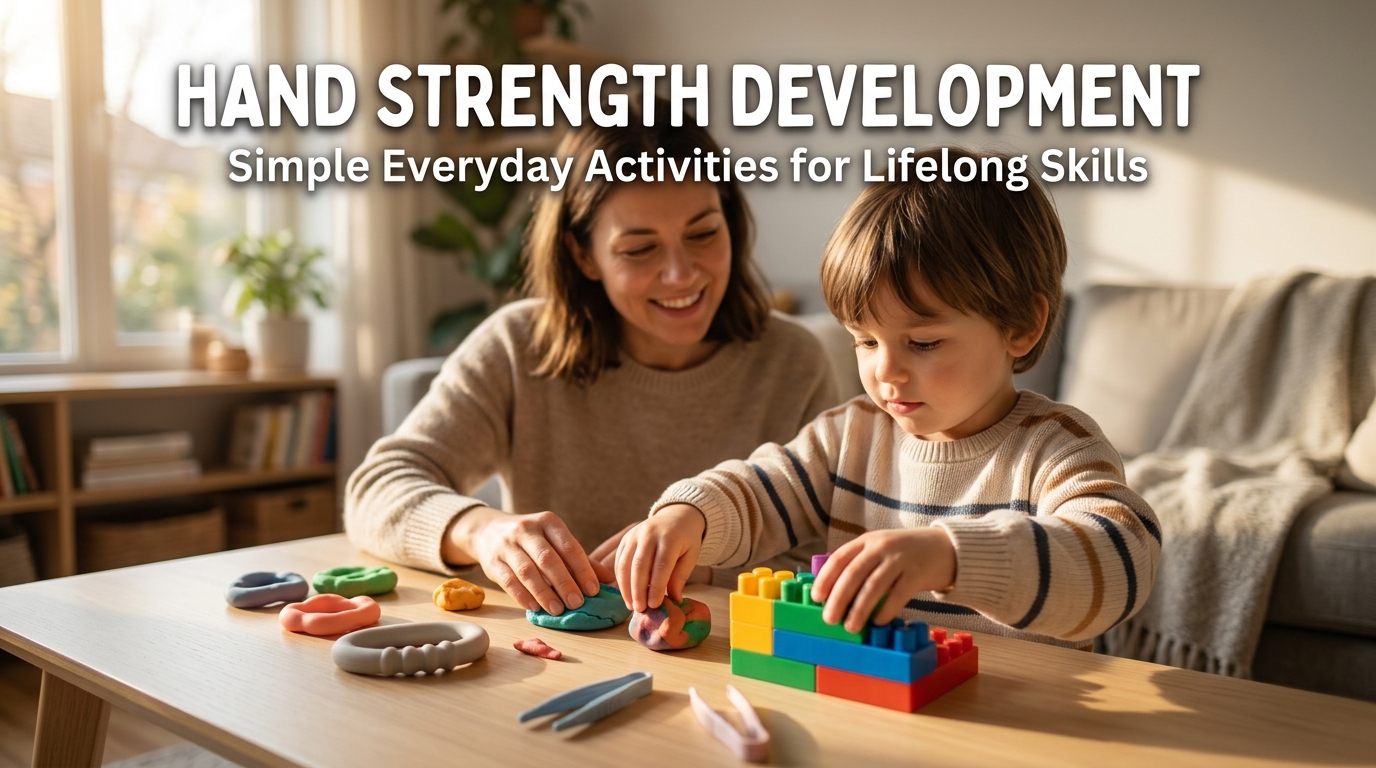
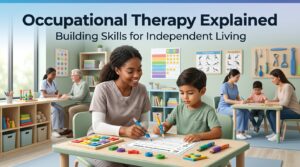
A child struggling with handwriting may work on fine motor skills through structured exercises and coordination activities, gradually improving writing ability.
Stroke Rehabilitation
A stroke survivor may relearn daily activities such as dressing, eating, and grooming through step-by-step guided practice.
Workplace Adjustment
An office worker with chronic back pain may benefit from ergonomic changes, posture training, and workstation adjustments.
Elderly Care Support
An older adult may be trained to use mobility aids, improve balance, and modify their home environment to reduce fall risks.
Expert Recommendations
Professionals often emphasize a few consistent principles:
- Stay regular with therapy sessions
- Practice exercises at home as instructed
- Break goals into small, achievable steps
- Maintain open communication with the therapist
- Use assistive tools consistently when recommended
Progress in occupational therapy is gradual, and consistency matters more than intensity.
Common Mistakes to Avoid
- Expecting immediate results
- Skipping home practice routines
- Ignoring professional guidance
- Avoiding assistive devices when needed
- Ending therapy prematurely
Avoiding these mistakes can significantly improve long-term progress.
Future of Occupational Therapy
Occupational therapy is evolving alongside healthcare innovation:
- Virtual reality-based rehabilitation programs
- Telehealth and remote therapy services
- AI-assisted progress tracking
- Smart assistive devices
- Robotics in physical rehabilitation
- Personalized digital therapy plans
These advancements are improving accessibility and making therapy more precise and flexible.
Frequently Asked Questions (FAQs)
- What is occupational therapy?
It helps individuals develop or regain skills needed for daily life activities.
- Who needs occupational therapy?
Anyone facing challenges in daily functioning due to injury, illness, disability, or developmental conditions.
- How is OT different from physiotherapy?
OT focuses on daily living skills, while physiotherapy focuses on movement and physical rehabilitation.
- Is occupational therapy suitable for all ages?
Yes, it supports children, adults, and older adults.
- How long does occupational therapy take?
It depends on the condition, goals, and individual progress.
- What does an occupational therapist do?
They assess abilities, set goals, and create personalized intervention plans.
- Can OT help after a stroke?
Yes, it is widely used to rebuild independence in daily activities.
- Is occupational therapy painful?
No, it is generally gradual and supportive.
- Is a referral always required?
Not always; it depends on the healthcare system.
- Can therapy be done at home?
Yes, many exercises are designed for guided home practice.
- What tools are used in OT?
Adaptive devices, therapeutic equipment, and daily living aids.
- Does occupational therapy really work?
Yes, consistent participation often leads to significant improvement in independence and function.
Important!
Occupational therapy is a practical, evidence-informed approach that focuses on what matters most—helping people live their daily lives with independence and confidence. By addressing real-world challenges rather than isolated symptoms, it supports meaningful recovery and long-term improvement in quality of life.
Whether supporting a child’s development, helping an adult recover after illness, or enabling an older person to remain independent, occupational therapy remains an essential part of modern healthcare with a deeply human impact.