Inclusive Education: A Comprehensive Framework for Equitable and Effective Learning
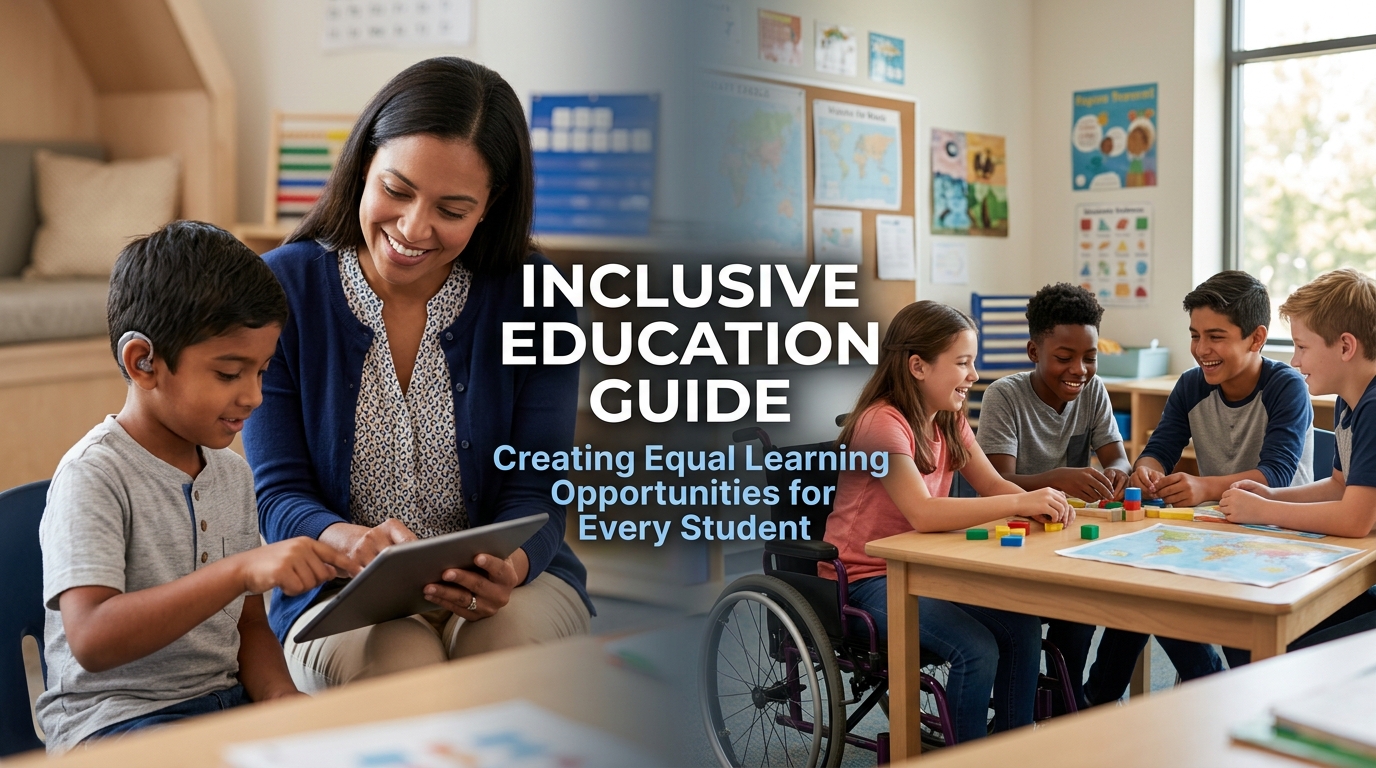
Education systems today are undergoing a necessary transformation. The traditional “one-size-fits-all” classroom model no longer reflects how students actually learn. Every classroom is diverse—students differ in ability, pace of learning, language, background, and cognitive style.
Inclusive education responds to this reality by reshaping the learning environment so that all students can participate meaningfully in the same classroom. Instead of separating learners based on ability, it focuses on removing barriers and adapting teaching methods to meet individual needs.
At its core, inclusive education is not only about access to schooling—it is about participation, dignity, and equal opportunity for every learner.
Understanding Inclusive Education
Inclusive education is an educational approach in which all students, regardless of their abilities or challenges, learn together in a shared classroom environment. The system is designed to adapt teaching, resources, and assessments to support individual learning needs.
It typically includes students who may experience:
- Learning differences such as dyslexia, dyscalculia, or processing delays
- Physical or sensory impairments
- Speech, language, or communication difficulties
- Autism spectrum conditions
- Emotional, behavioral, or attention-related challenges
- Cultural and linguistic diversity affecting learning pace
The guiding principle is simple: equity over uniformity. Instead of expecting every learner to adapt to the same method, inclusive education adapts the method to the learner.
Why Inclusive Education Matters
Inclusive education plays a vital role in shaping both academic and social development. Its value extends beyond classroom performance.
Key contributions include:
- Providing equal learning opportunities without segregation
- Encouraging respect for differences among students
- Reducing stigma around disabilities and learning challenges
- Strengthening empathy, communication, and collaboration skills
- Supporting emotional well-being through a sense of belonging
Students exposed to inclusive environments develop a more realistic understanding of diversity, which better prepares them for social and professional life.
How Inclusive Education Works in Practice
Inclusive education is built on adaptability. Instead of forcing students into a fixed structure, the system adjusts itself to meet diverse learning needs.
- Differentiated Instruction
Teachers adjust content delivery based on student readiness and learning style:
- Breaking complex topics into smaller, manageable steps
- Using visual explanations, demonstrations, and real-life examples
- Encouraging group-based learning and peer support
- Allowing flexible pacing for assignments and tasks
- Classroom Support Systems
Additional support is provided when needed through:
- Special education teachers or classroom assistants
- Speech, occupational, or behavioral therapy services
- Structured intervention programs for targeted learning needs
- Assistive technologies such as reading tools or communication aids
- Flexible Assessment Methods
Evaluation methods are adapted to measure understanding more fairly:
- Oral presentations instead of written exams where appropriate
- Practical demonstrations of skills
- Project-based assessments
- Modified test formats based on individual needs
- Collaborative Learning Environment
Students learn through interaction, teamwork, and peer support. This approach improves both academic understanding and social development.
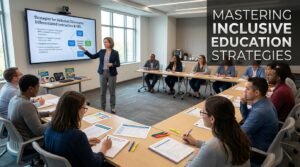 Core Principles of Inclusive Education
- Every learner has the right to participate in mainstream education
- Teaching systems should adapt to students, not the reverse
- Diversity is a strength, not a limitation
- Active participation is as important as academic performance
- Continuous support leads to better long-term outcomes
Benefits of Inclusive Education
Inclusive education creates value at multiple levels of the education system.
For Students
- Greater engagement with learning material
- Stronger communication and interpersonal skills
- Increased confidence and independence
- Improved understanding of empathy and diversity
For Teachers
- More flexible and responsive teaching methods
- Better understanding of student learning patterns
- Improved classroom management through adaptive strategies
For Society
- Reduced discrimination and social exclusion
- Stronger community cohesion
- Better preparation for inclusive workplaces
Challenges in Implementing Inclusive Education
Despite its benefits, implementing inclusive education effectively requires overcoming real challenges:
- Limited training opportunities for educators
- Lack of classroom resources and support tools
- Large class sizes that reduce individual attention
- Insufficient awareness among parents and communities
- Difficulty managing diverse learning needs simultaneously
These challenges highlight the need for investment in teacher training, educational infrastructure, and policy support.
Key Factors for Successful Implementation
The success of inclusive education depends on coordinated effort across multiple areas:
- Early identification of learning needs and developmental differences
- Continuous professional development for teachers
- Availability of support staff and learning resources
- Strong communication between schools, parents, and specialists
- Flexible curriculum structures that allow adaptation
- Regular monitoring and adjustment of learning strategies
When these elements are in place, inclusive education becomes both practical and sustainable.
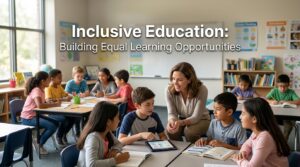 Real-World Classroom Examples
Inclusive education is already visible in many classrooms around the world:
- A student with dyslexia using audio-based tools while peers read textbooks
- A hearing-impaired student supported through sign language interpretation
- Mixed-ability groups collaborating on shared projects
- Teachers providing tiered worksheets based on student readiness levels
These examples demonstrate how inclusive classrooms maintain shared learning while respecting individual needs.
Practical Strategies for Teachers and Parents
- Understand each learner’s strengths, challenges, and preferred learning style
- Use clear, structured, and simple instructions
- Encourage peer learning and group collaboration
- Integrate visual, audio, and hands-on learning tools
- Maintain consistent communication between home and school
- Focus on gradual progress rather than speed or comparison
Common Mistakes to Avoid
- Using identical teaching methods for all students
- Ignoring early signs of learning or developmental challenges
- Assigning uniform tasks without differentiation
- Weak coordination between teachers, specialists, and parents
- Prioritizing grades over emotional and social development
Avoiding these mistakes helps create a more balanced and effective learning environment.
The Future of Inclusive Education
Inclusive education continues to evolve alongside educational innovation and technology.
- Growth of digital and hybrid learning environments
- Increased use of AI-driven personalized learning tools
- Improved teacher training programs focused on diversity in learning
- More accessible classroom design and assistive technologies
- Rising awareness of learning differences in society
These developments are shaping a future where education becomes more flexible, responsive, and learner-centered.
Frequently Asked Questions
- What is inclusive education?
It is a system where all students learn together in the same classroom, with teaching methods adapted to meet diverse learning needs.
- Who benefits from inclusive education?
All students benefit, including those with disabilities, learning differences, and those without identified challenges.
- Is inclusive education only for students with disabilities?
No. It supports all learners by improving engagement, collaboration, and classroom participation.
- How is inclusive education different from special education?
Special education may involve separate instruction, while inclusive education focuses on learning together with appropriate in-class support.
- What is the role of teachers in inclusive education?
Teachers adapt lessons, provide support, and create an environment where every student can participate meaningfully.
- Does inclusive education affect academic standards?
No. It maintains learning goals while adjusting teaching methods to help students achieve them effectively.
- What tools are used in inclusive classrooms?
Visual aids, assistive technologies, differentiated worksheets, and interactive learning materials.
- How does inclusive education support social development?
It builds empathy, teamwork, and respect for diversity through shared learning experiences.
- Can all schools implement inclusive education?
Yes, but success depends on training, resources, and structured planning.
- Why is inclusive education important for the future?
It prepares students for a diverse world where collaboration and understanding are essential skills.
Final Perspective
Inclusive education represents a fundamental shift in how learning is designed and delivered. It moves away from separation and standardization toward flexibility, fairness, and participation.
When implemented effectively, it strengthens academic outcomes while also nurturing emotional intelligence, social skills, and mutual respect among learners. More importantly, it builds classrooms where every student is given the opportunity to learn, contribute, and grow with confidence.