The Benefits of Early Understanding and Personalized Support
Understanding Autism Spectrum Disorder
Autism Spectrum Disorder (ASD) is a lifelong neurodevelopmental condition that shapes how a person experiences, communicates with, and responds to the world around them. Every autistic individual has a unique combination of strengths, challenges, interests, and support needs. Recognizing those needs early allows families, educators, and healthcare professionals to provide practical, individualized support that encourages learning, confidence, and independence.
Early understanding is not about changing who a child is. It is about creating opportunities that help them communicate effectively, develop life skills, build meaningful relationships, and participate in daily life in ways that respect their individuality.
When support is tailored to the person rather than based on assumptions, the benefits often extend into adolescence and adulthood, improving educational experiences, emotional well-being, and long-term independence.
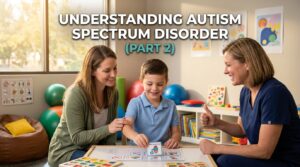 Communication Skills Grow in Different Ways
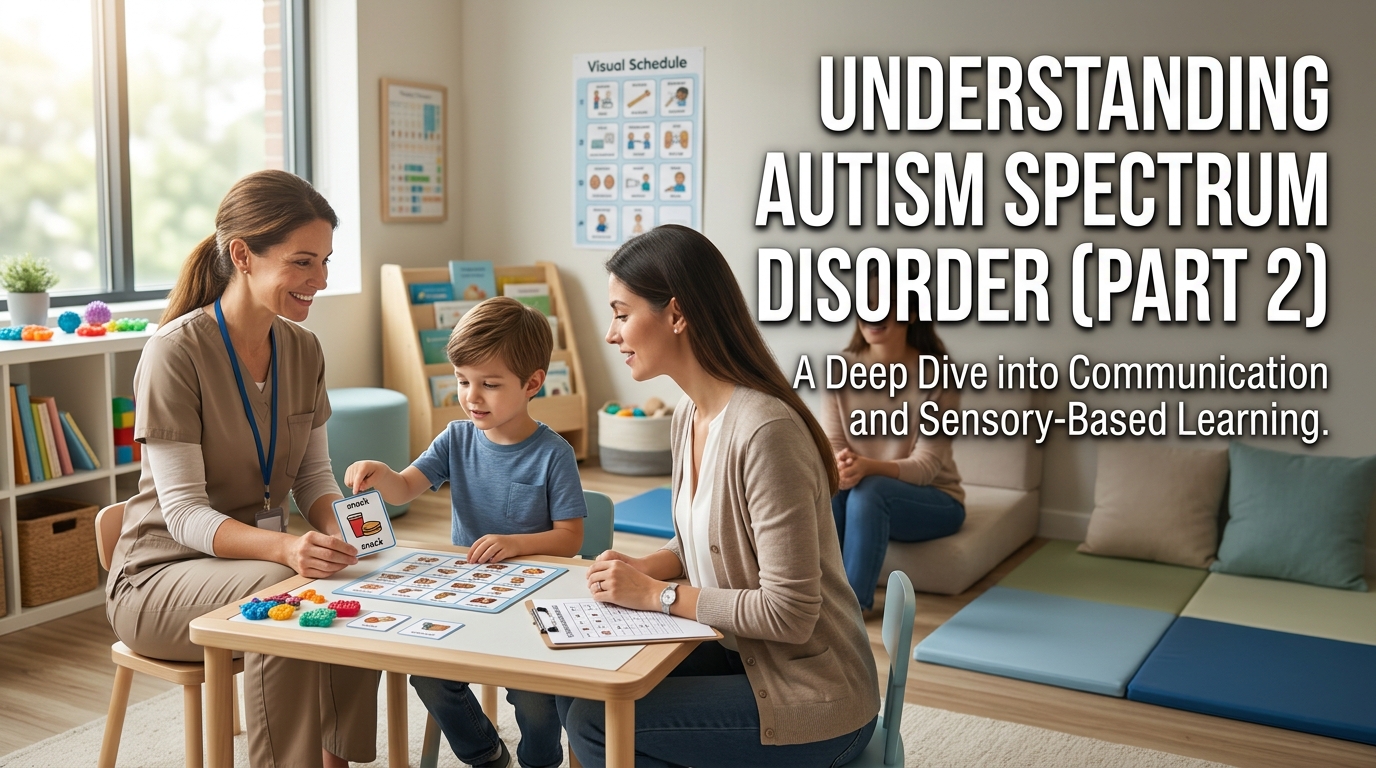
Communication is one of the most diverse aspects of autism. While some autistic individuals communicate fluently through speech, others may rely on gestures, sign language, picture-based communication, writing, or speech-generating technology. Many people use a combination of communication methods depending on the situation.
There is no single “right” way to communicate. The priority is helping each individual express their ideas, emotions, preferences, and needs in a way that works for them.
Support may include:
- Speech and language therapy when appropriate
- Visual communication supports
- Picture Exchange Communication System (PECS)
- Augmentative and Alternative Communication (AAC) devices
- Visual schedules and choice boards
- Modeling clear, concise language during everyday routines
When communication tools match a person’s needs, daily interactions often become less stressful and more meaningful. Children who can express themselves effectively are also better equipped to participate in learning, social activities, and family life.
Social Participation and Meaningful Relationships
Many autistic children want to connect with others but may approach social interaction differently from their peers. Understanding social expectations, interpreting nonverbal communication, or initiating conversations can take additional time and practice.
Support is most effective when it encourages authentic interaction rather than expecting children to imitate social behaviors that feel unnatural or exhausting.
Helpful opportunities include:
- Small-group activities
- Shared-interest clubs
- Cooperative games
- Structured peer interaction
- Guided social practice in real-life situations
For example, a child who loves dinosaurs may naturally engage in conversation during a museum visit or science club because the environment centers on a topic they genuinely enjoy. Shared interests often provide a more comfortable starting point for building friendships.
Building Independence Through Everyday Skills
Independence develops gradually through consistent practice, patience, and encouragement. Everyday routines provide valuable opportunities for children to build confidence while learning practical life skills.
These skills may include:
- Getting dressed independently
- Managing personal hygiene
- Preparing simple snacks or meals
- Packing a school bag
- Organizing personal belongings
- Following daily routines
- Completing homework with increasing independence
Breaking larger tasks into smaller, manageable steps often makes learning more achievable. Visual supports, checklists, and predictable routines can also reduce frustration while encouraging steady progress.
Supporting Emotional Regulation
Autistic individuals may experience emotions deeply, and situations such as sensory overload, communication barriers, unexpected changes, or fatigue can sometimes become overwhelming.
Emotional regulation is a learned skill that develops over time with consistent support and practice.
Helpful strategies include:
- Predictable daily routines
- Visual schedules
- Quiet spaces for sensory breaks
- Scheduled movement activities
- Teaching emotional vocabulary
- Preparing for transitions before they occur
- Practicing calming techniques during relaxed moments
As children learn to recognize their emotions and identify what helps them feel calm, they often become more confident in managing challenging situations independently.
Strengthening Family Relationships
Understanding autism can transform family relationships by replacing misunderstanding with empathy.
Behaviors that may once have been viewed as stubbornness or defiance are often better understood as responses to sensory overload, anxiety, communication differences, or unexpected changes.
This shift in perspective encourages:
- Better communication
- Greater patience
- Reduced conflict
- Increased trust
- More positive daily interactions
Families who focus on understanding their child’s needs rather than simply correcting behavior often create a more supportive and emotionally secure home environment.
Common Challenges Associated with Autism Spectrum Disorder
Autism affects people differently. Some individuals need significant daily support, while others live independently with only occasional accommodations.
Recognizing potential challenges helps families and professionals provide appropriate assistance while respecting each person’s abilities and preferences.
Communication Differences
Communication styles vary widely across the autism spectrum.
Some autistic individuals:
- Speak fluently.
- Use limited spoken language.
- Prefer alternative communication methods.
- Process spoken information more slowly.
- Interpret language literally.
Humor, sarcasm, idioms, and indirect language can sometimes be difficult to interpret because the intended meaning differs from the literal words.
Using clear, direct communication often benefits everyone involved.
Social Interaction Differences
Social interaction is highly individual.
Some autistic people enjoy frequent social engagement, while others prefer smaller groups or solitary activities.
Common challenges may include:
- Initiating conversations
- Maintaining back-and-forth discussions
- Understanding unwritten social expectations
- Interpreting facial expressions and tone of voice
- Feeling comfortable with eye contact
- Navigating large or unpredictable social settings
These differences do not indicate a lack of empathy or interest in relationships. Many autistic individuals value close friendships and meaningful connections but express themselves in different ways.
Sensory Processing Differences
Many autistic people experience sensory information differently.
Some are highly sensitive to:
- Loud sounds
- Bright lights
- Clothing textures
- Food textures
- Strong odors
- Busy environments
Others actively seek sensory experiences such as swinging, jumping, spinning, deep pressure, or repetitive movement.
Understanding sensory preferences makes it easier to adapt environments so individuals can participate more comfortably in school, home, and community activities.
 A Preference for Predictability
Routine often provides structure and a sense of security.
Unexpected schedule changes, unfamiliar environments, or sudden transitions can increase stress for some autistic individuals.
Helpful supports include:
- Visual schedules
- Daily calendars
- Timers
- Countdown reminders
- Advance notice before transitions
- Clear explanations of upcoming changes
These simple strategies reduce uncertainty while helping children develop flexibility over time.
Executive Function Differences
Executive functioning refers to the mental skills used to plan, organize, prioritize, remember information, and complete tasks.
Some autistic individuals may find it difficult to:
- Get started on tasks
- Organize belongings
- Manage time effectively
- Shift attention between activities
- Follow multiple instructions
- Plan larger projects
Breaking tasks into smaller steps, providing visual reminders, and maintaining consistent routines can make these activities more manageable.
Co-Occurring Conditions
Some autistic individuals also have additional medical, developmental, or mental health conditions. These are separate from autism but may influence support needs.
Examples include:
- Attention-related differences
- Anxiety disorders
- Depression
- Sleep difficulties
- Learning disabilities
- Gastrointestinal conditions
- Epilepsy
Effective support considers the individual’s overall health rather than focusing solely on the autism diagnosis.
Key Considerations When Supporting Autistic Individuals
There is no universal approach to supporting autistic people. Effective strategies are flexible, person-centered, and adapted to each individual’s strengths, preferences, and goals.
Every Individual Has a Unique Profile
The word “spectrum” reflects the wide range of autistic experiences.
Two people with the same diagnosis may differ significantly in:
- Communication style
- Learning preferences
- Sensory experiences
- Interests
- Daily routines
- Support needs
- Personal goals
Avoid comparing individuals or assuming that one person’s experience applies to another.
Focus on Strengths as Well as Challenges
Support should recognize both areas of difficulty and areas of ability.
Many autistic individuals demonstrate strengths such as:
- Strong attention to detail
- Excellent long-term memory
- Creative thinking
- Logical reasoning
- Honesty and reliability
- Deep knowledge of favorite subjects
- Persistence when solving problems
Building on these strengths promotes confidence, motivation, and lifelong learning.
Respect Individual Preferences
Autistic people have different personalities, interests, communication styles, and comfort levels.
Some enjoy busy social settings, while others thrive in quieter environments. Some communicate primarily through speech, while others use AAC, sign language, or written communication.
Respecting these preferences supports dignity, independence, and meaningful participation.
Collaboration Creates Better Outcomes
Children benefit most when parents, teachers, therapists, and healthcare professionals work together.
Sharing observations, goals, and successful strategies helps create consistency across home, school, and community environments, making it easier for children to develop new skills and build confidence.
Practical Examples of Autism Support in Everyday Life
Creating a Comfortable Classroom
A student becomes distracted by constant classroom noise. Rather than assuming the child is being disruptive, the teacher provides noise-reducing headphones, visual instructions, and access to a quieter workspace. These adjustments allow the student to remain engaged without changing the learning objectives.
Making Shopping More Manageable
Busy supermarkets can be overwhelming because of crowds, bright lighting, and background noise.
A family plans shopping during quieter hours, prepares a visual shopping list, and allows their child to wear familiar headphones. Small adjustments like these reduce stress and make the experience more enjoyable.
Encouraging Independent Morning Routines
A teenager struggles to get ready for school on time.
A step-by-step visual checklist placed in the bedroom and bathroom helps organize each task. With consistent practice, the teenager gradually completes more of the routine independently.
Building Friendships Through Shared Interests
A child with a strong interest in trains joins a local model railway club.
Because conversations naturally revolve around a shared passion, social interaction becomes more relaxed and enjoyable than in situations where children are expected to initiate conversation without a common interest.
Expert Recommendations for Families and Professionals
Supporting autistic individuals is most effective when it combines evidence-informed practices with respect for personal differences.
Consider these recommendations:
- Learn about the individual’s strengths, interests, and support needs.
- Use clear, direct, and consistent communication.
- Establish routines while allowing reasonable flexibility.
- Prepare for changes whenever possible.
- Encourage special interests as opportunities for learning and confidence-building.
- Create sensory-friendly environments when practical.
- Celebrate progress instead of striving for perfection.
- Teach life skills gradually using manageable steps.
- Listen to autistic individuals and include them in decisions that affect them.
- Seek guidance from qualified professionals when additional support is needed.
Effective support is not measured by how closely someone matches typical developmental expectations. It is measured by whether they have the tools, opportunities, and encouragement to participate in life in ways that are meaningful to them.
Understanding autism is an ongoing journey of learning and adaptation. By approaching each individual with curiosity, patience, and respect, families, educators, healthcare professionals, and communities can create environments where autistic people feel understood, valued, and empowered to achieve their own goals.